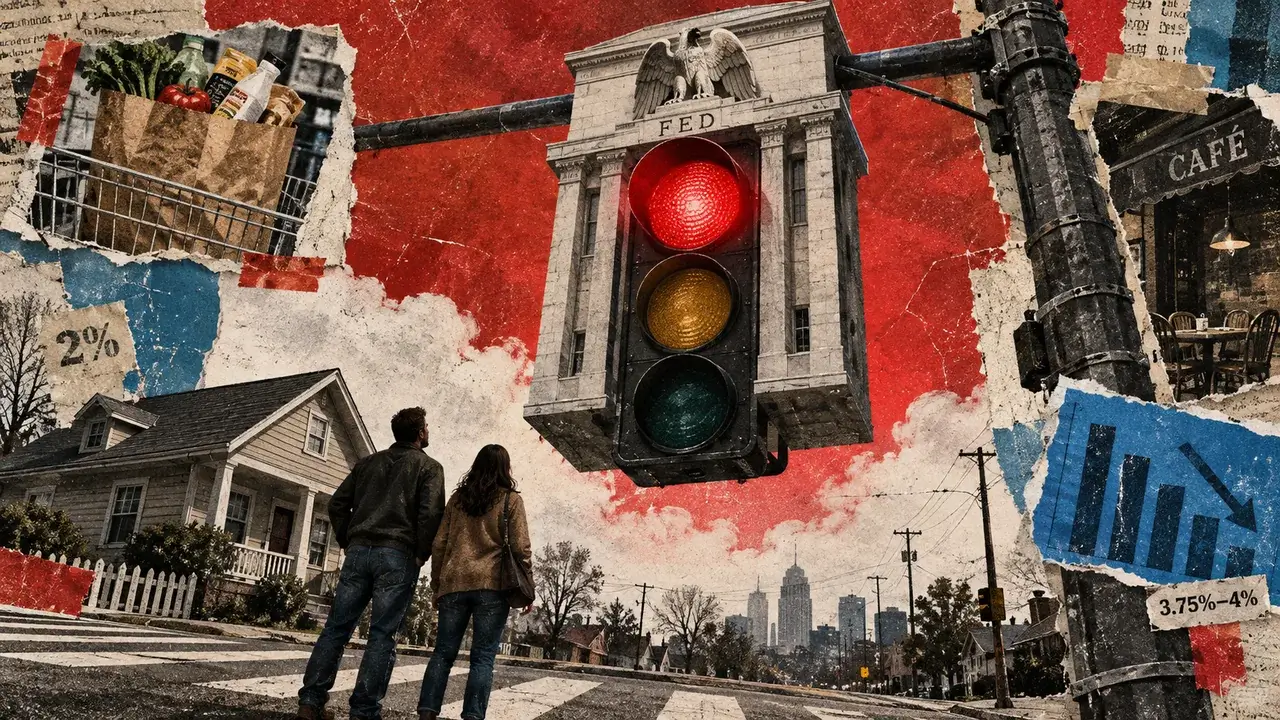
The Fed can stop raising rates before inflation reaches 2% if officials believe the economy's already heading there without another increase.
September's meeting left most unconvinced, with strong spending and persistent price increases outweighing the strain expensive borrowing was putting on parts of the economy.
The minutes released Oct. 7 explain the thinking behind that month's unanimous decision to raise its main interest rate to 3.75%-4%.
Most participants expected another hike by year-end, but their reasons differed: many saw higher rates as insurance against inflation sticking around, while others thought the economy would need higher rates anyway.
Those views can overlap, but they leave different amounts of room for persuasion. Evidence that temporary price increases are fading could reassure someone seeking insurance, while an official who thinks spending is too strong would also want to see people and businesses spending less freely.
That discussion helps explain what could stop another hike, although officials didn't agree on a set of conditions that would rule it out.
Higher rates make borrowing more expensive and saving more attractive, discouraging some spending and making it harder for businesses to charge more. The effects take time, and they don't reach everyone equally: homebuyers may pull back while companies with plenty of cash keep investing.
The Fed can't produce oil or remove an import tax, so raising borrowing costs won't fix the shortages behind some price increases. It can reduce spending enough to make those increases harder to pass along, lowering the risk that an initial jump in costs turns into persistent inflation across the economy.
Source link