Satoshi Nakamoto subtitled the Bitcoin white paper “A Peer-to-Peer Electronic Cash System.” But most cryptocurrencies have functioned more like tech stocks than cold, hard cash.
Two products are quickly changing crypto from something you HODL into something you spend: stablecoins and crypto-based credit and debit cards.
Stablecoins have been around for years. But cards are just now seeing the kind of explosive growth that suggests crypto may yet embed itself in people’s daily lives, as Satoshi had envisioned.
“We’re seeing [that] stablecoin-linked cards are in hyper-growth-mode,” Cuy Sheffield, Visa’s head of crypto, said on CNBC last month. “There are new issuers coming into our network, launching stablecoin-linked cards every week.”
Since April 2024, money spent using stablecoin cards has grown every month, without fail. In September, people spent a record $1.2 billion in stablecoins using cards, according to paymentscan.xyz. That’s a 203% increase from the same period a year earlier, when people spent just $403 million.
Transactions and addresses both hit all-time highs last month as well. In fact, though addresses appeared to have plateaued in March, they began rising again in August. Each of the past five weeks saw record highs.
As more and more people flock to these cards, they’ll need a way to decide which ones fit their lifestyle and budget. They’re in luck.
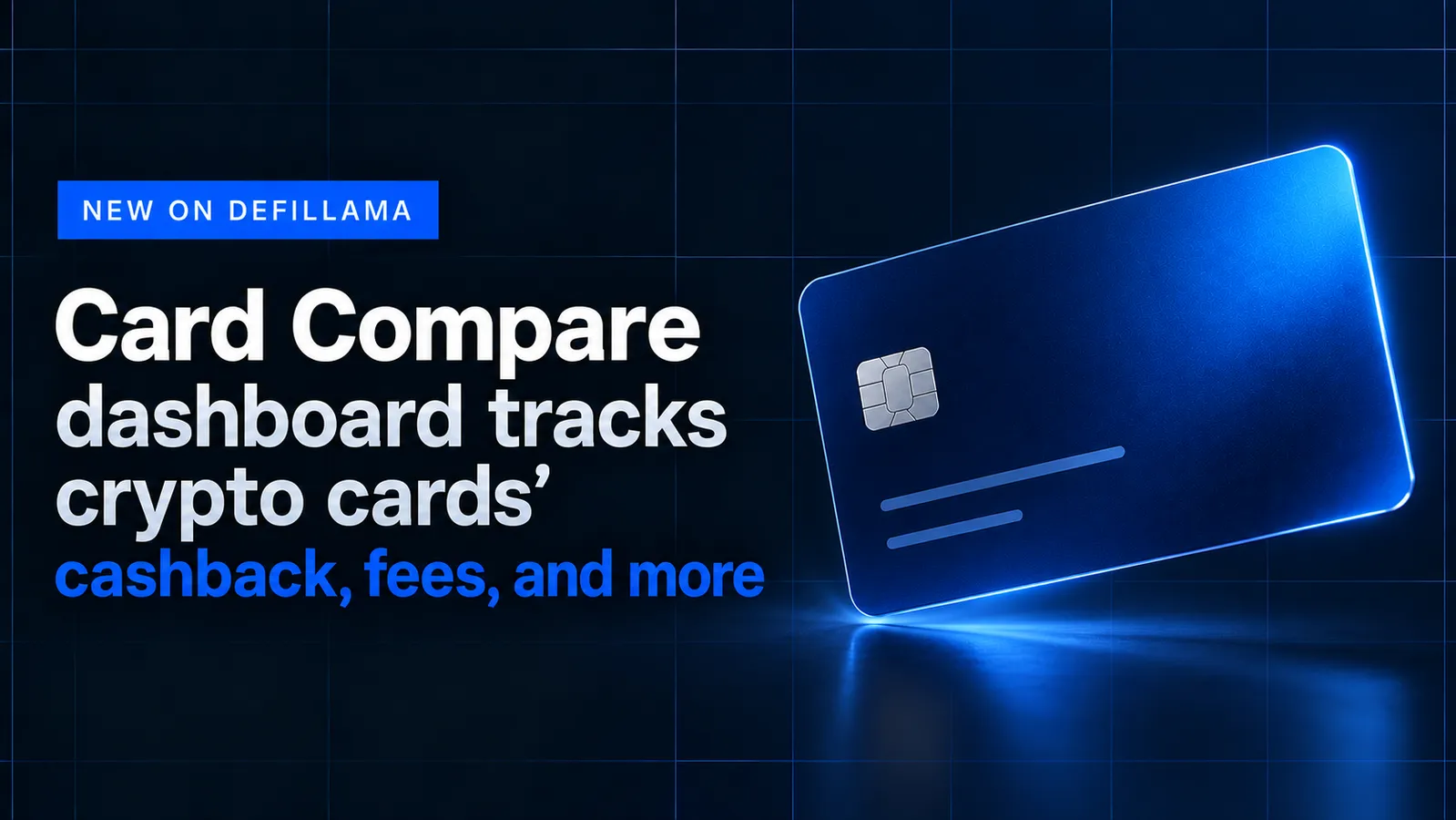
DefiLlama’s latest tool, Card Compare, makes it easy to figure out which crypto cards are available in a given country and how those cards stack up.
Card Compare has its origins in the MiCA dashboard that launched earlier this year, according to Patrick Scott, DefiLlama’s chief revenue officer.
Source link