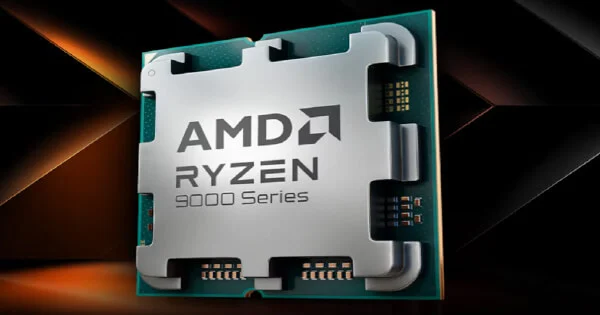
AMD reported Nunchux optimized MiniMax-H3 video generation on eight Instinct MI355X GPUs to finish clips faster than playback.
AMD said a proof of concept with Nunchux AI showed MiniMax-H3 video generation on Instinct MI355X GPUs could complete faster than a clip plays, highlighting how full-stack optimization can reduce latency in multimodal inference. The company published the results in a blog post dated Oct. 19, 2026.
In AMD's account, Nunchux optimized MiniMax-H3 on a single server with eight AMD Instinct MI355X GPUs and reported 1.33 seconds of generation latency for a five-second video and 5.39 seconds for a 15-second video. AMD said that with 4 or 8 MI355X GPUs, every tested clip length completed faster than it plays, which the company framed as real-time video generation because the model stays ahead of the playhead once playback begins.
AMD also said the same prompt was run through the Nunchux-optimized stack and an SGLang baseline on the same eight MI355X GPUs. On that basis, the company said the optimized solution reduced the time to produce a finished 15-second MP4 from 150.5 seconds with the baseline to 6.49 seconds, a reported 23.2x speedup. AMD said the improvement rose from 14.9x for a five-second clip to 23.2x for a 15-second clip.
The company attributed the gains to co-design across the model and runtime, including custom kernels, memory movement and execution strategy on AMD ROCm software. 4x across the measured clip lengths. 04 seconds.
Source link