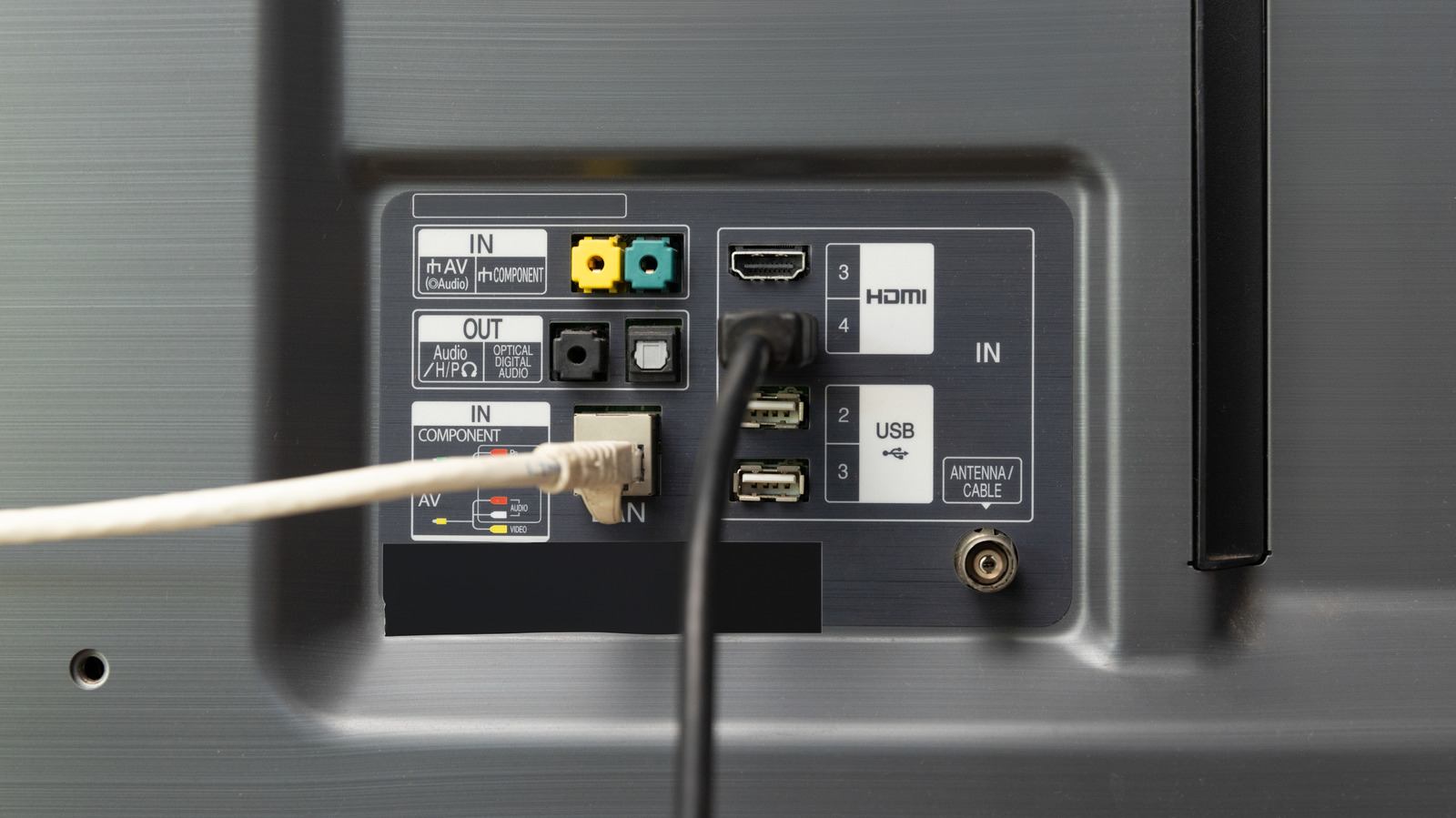
Ethernet is slow on TVs, but it doesn't have to compete with everything else for Wi-Fi bandwidth.
Bandwidth matters a lot when streaming movies and TV shows. Services like Netflix and Disney+ typically recommend at least 5 Mbps for 1080p streaming. For 4K HDR content, that steps up to 25Mbps or better, since 4K resolution is four times that of 1080p. Plus, subscriptions that include 4K HDR typically throw in Dolby Atmos, even if it's just the compressed version.
By extension, the way your TV connects to the internet is important. A local chokepoint can be just as bad as paying for a bottom-of-the-barrel internet plan. That might come in the form of an outdated router, or perhaps an evening surge in congestion if a neighbor decides your movie night would be a perfect time to torrent a few files.
One decision you need to make is whether to use Wi-Fi or Ethernet to get your TV online. You might be surprised to learn that while Wi-Fi often achieves the fastest speeds, Ethernet can be preferable regardless — assuming your home theater has a layout that accommodates it.
Wi-Fi leads on paper because many TVs are equipped with at least Wi-Fi 6, which can exceed gigabit speeds when paired with a compatible router in ideal conditions. Real-world speeds tend to be lower, naturally — even a gigabit internet plan still has to be split among all connecting devices in your home. But even half a gigabit is more than enough speed for most households .
Source link