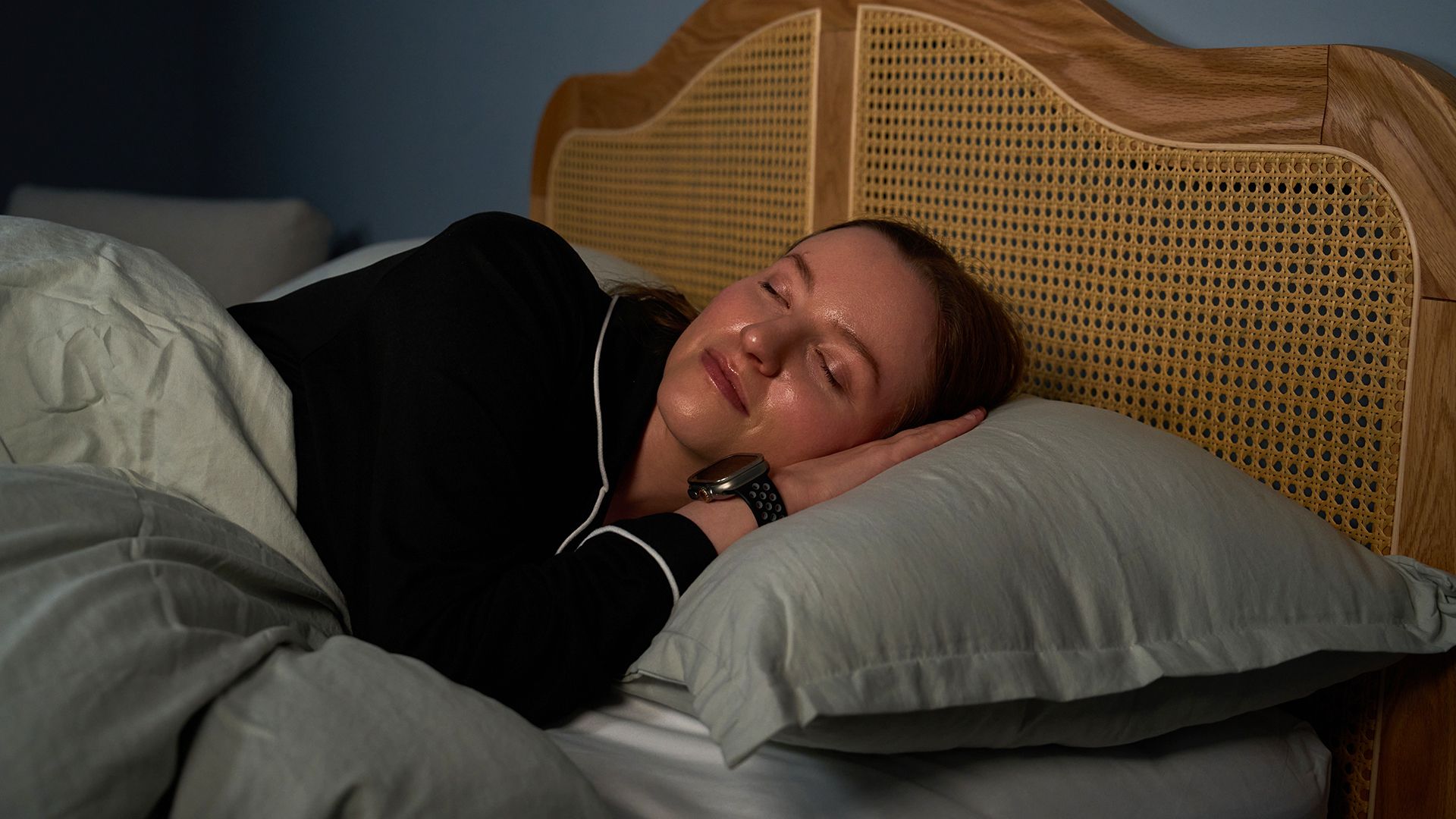
The clocks have gone back, but for anyone who’s ever found the seasonal shift leaves them feeling sluggish, unfocused or oddly out of sync, the extra hour of sleep may not feel like the win it promises to be.
While gaining an hour in bed sounds like an instant energy boost, changes to routine, meal times and the body’s internal clock can trigger a dip in alertness during the days that follow. Even a small change to your daily routine can throw your body clock out of sync, affecting everything from energy levels to concentration.
The good news? You don't have to simply wait it out. From making the most of morning light to tweaking your workout plan, there are a few easy ways to help your body adjust. Sleep experts Dr Nerina Ramlakhan and Jane Ollis share their expertise to help you stay one step ahead.
While you might fancy that extra hour in bed, a disrupted circadian rhythm means your energy levels take an immediate hit when the clocks go back. Our experts explain what you can do to ease the seasonal transition:
The clocks may have gone back, but your brain is operating in a different time zone, leading to your body clock feeling out of sorts.
“Sunlight impacts our hypothalamus, which is the part of the brain that regulates our 'body clocks', so changes in sunlight hours might leave you feeling sleepier,” explains Dr Nerina Ramlakhan, Sleep Expert at Oak Tree Mobility.
“There's something to be said for the earlier sunsets that come with the clock change.
Source link