

The first precision commercial alternative to GPS is preparing to go live when six satellites designed by the startup Xona Space Systems launch into orbit this month.
A service that competes with free signals provided by governments around the world may seem foolhardy, but Xona is hoping to add navigation and timing to the list of de facto government space monopolies disrupted by venture-backed startups.
Xona was founded in 2019 by a team of five engineers who originally met at Stanford University’s aerospace engineering graduate program. One, Tyler Reid, went on to earn a PhD, writing his thesis on the possibilities of using satellites in low-earth orbit to improve navigation.
GPS and analog satellite networks built by Europe, China, and Russia provide huge value, but are also easy to jam and aren’t precise enough to be used alone for applications like farming robots or self-driving cars. Over “pizza and beer chats,” the friends mulled whether fixing those problems could be a business.
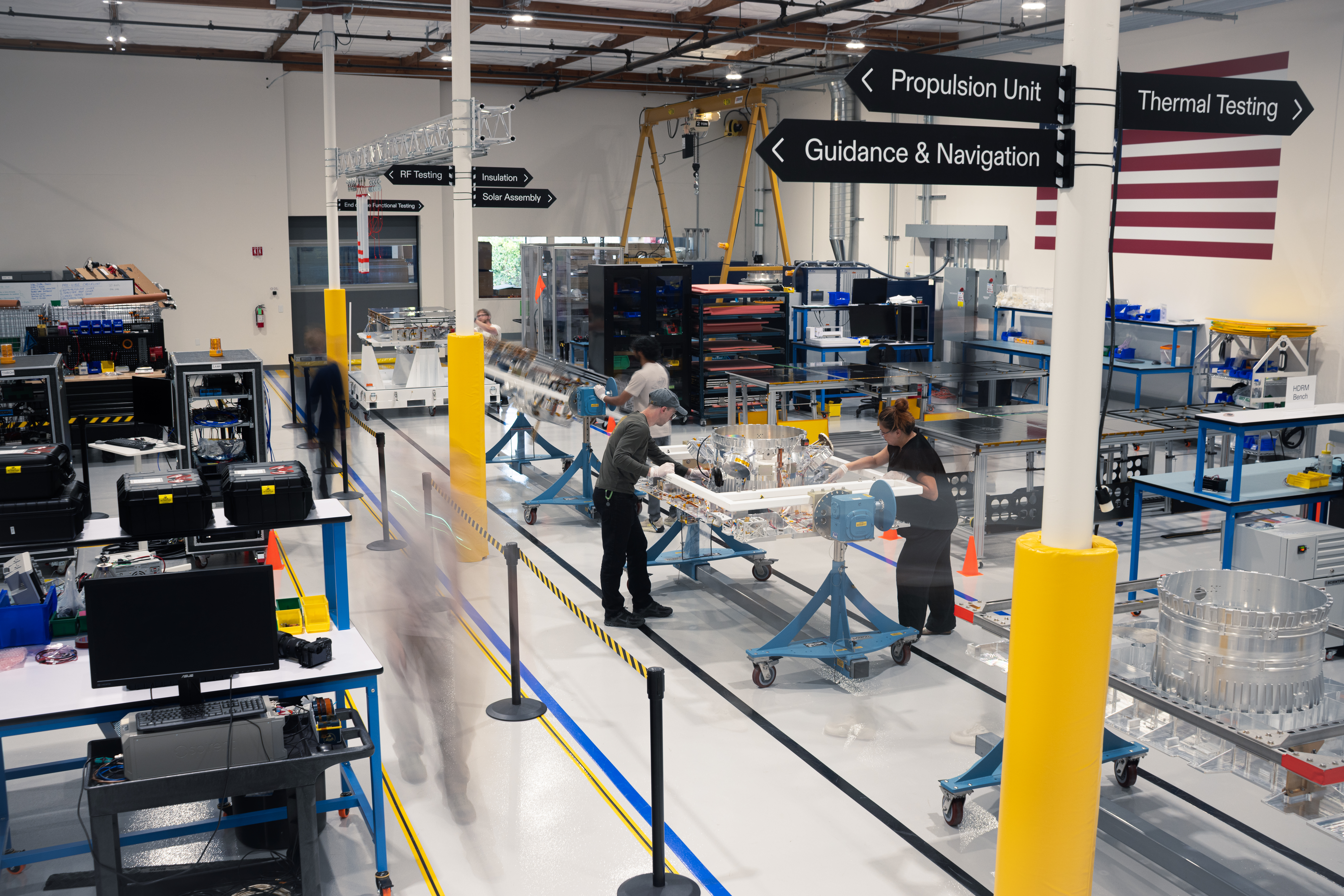
“My knee jerk was like, this is dumb,” Xona CEO Brian Manning told TechCrunch during a recent visit to the company’s headquarters. “Why would anybody replace GPS? It’s free, right? And I started digging into it. People think of GPS as a free service, but the market isn’t the service. The market’s the hardware, and you have billions of devices being sold every year; those things aren’t being given away for free. There’s an immense market that is desperately looking for better performance.”
That didn’t mean the road to delivering such a service was simple.
Source link





