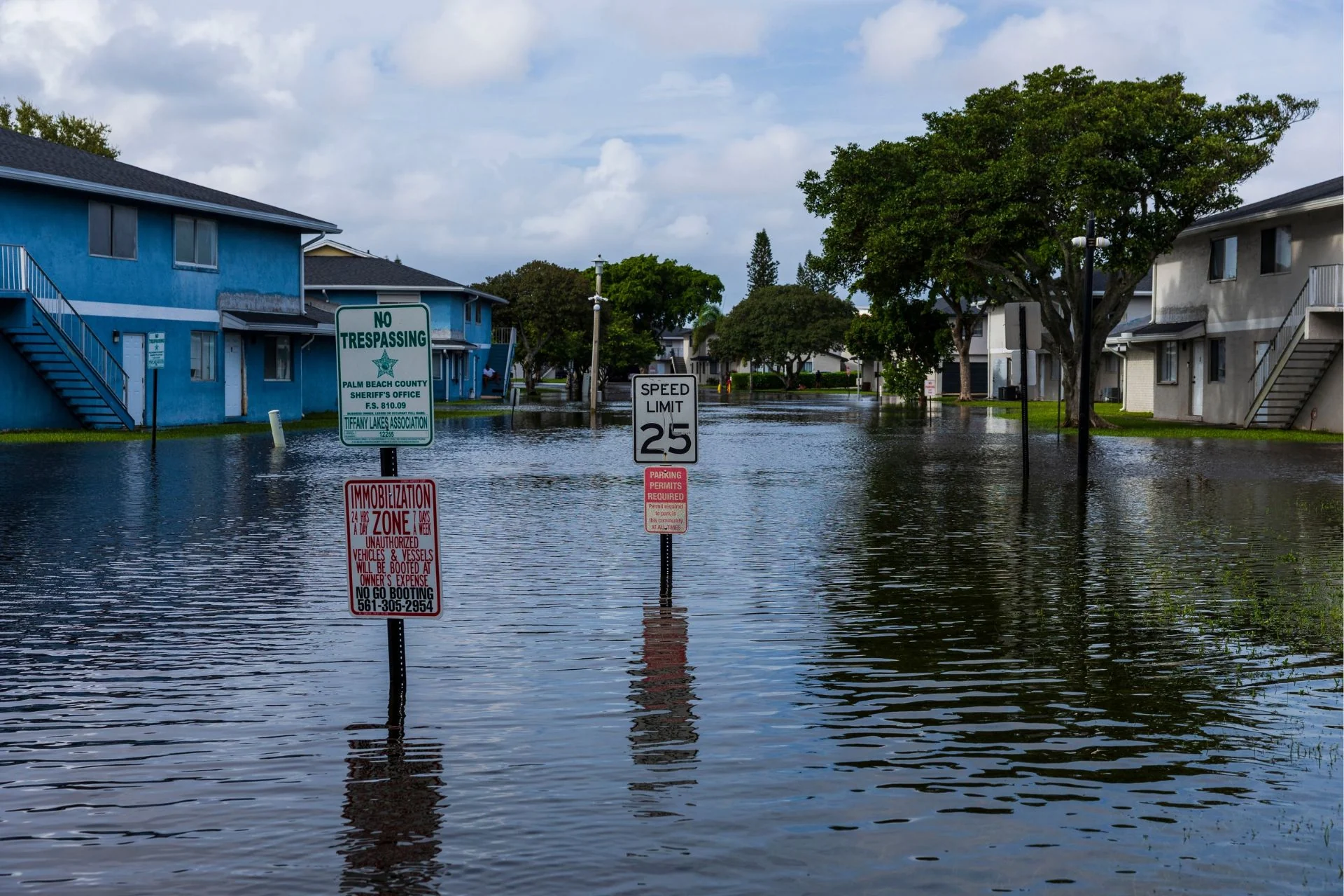
A series of extreme rainfall events unfolding across the U.S. could be a prelude to a sopping super El Niño winter.
For three straight days, deluging rain has battered Florida, with rainfall totals as high as 2 feet (0.6 meters) recorded along the Space Coast and central parts of the state. Catastrophic flash flooding led to hundreds of water rescues and killed two people in Palm Bay, one of whom died in a vehicle.
Meteorologists are calling this a one-in-1,000-year rainfall event, and it’s not over yet. In a statement issued early this morning, the National Weather Service (NWS) said Southeast Florida could continue to see heavy rain for “at least another day.”
Meanwhile, skies are finally clearing over the Southwest, where up to 7 inches (18 centimeters) of rain fell between Saturday and Monday. Widespread flash flooding forced hundreds to evacuate and killed one person who was swept into a drainage tunnel in Flagstaff, Arizona, the Associated Press reports.
Local police later discovered a second body in a drainage area, and while the death appears to be weather-related, the cause has yet to be determined. Officials say cleanup and repair efforts could take weeks.
Now, that storm system has moved into the Central U.S., bringing soggy conditions to the Great Plains, Upper Midwest, Mississippi Valley, and the western Gulf Coast. The threat of flooding in these regions remains low, but it’s possible that inclement conditions could suppress voter turnout for the midterm elections today.
And looking ahead to next week, NWS forecasters expect an atmospheric river to funnel heavy amounts of moisture into West Coast states from November 10 to 12.
Source link