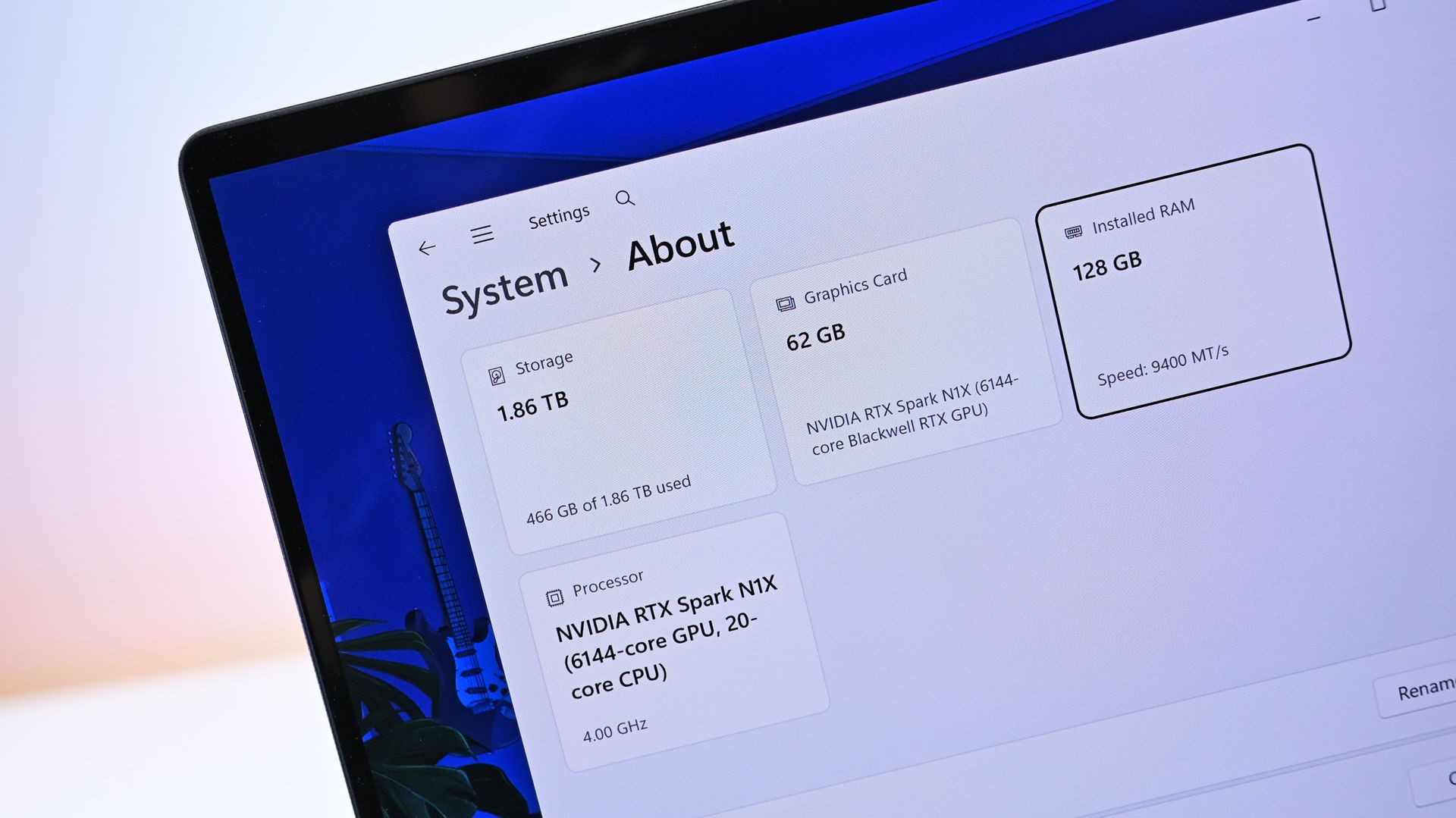
When faced with a RAM shortage and dropping PC sales, companies have limited options. PC makers can't do much to increase the supply of memory chips in the short term, and expanding production takes time. That leaves app makers and developers under pressure to make their software more memory-efficient.
Microsoft led the charge recently in optimizing apps for systems with less RAM, though Discord also made a strong effort by ditching Electron. Everything from Windows 11 features to built-in Microsoft apps have been upgraded to use less RAM.
Microsoft is enforcing "memory budgets," such as restricting PCs with 8GB of RAM from having bloatware.
My question is, why did it take a RAM crisis for Microsoft, Discord, or any other company to care about efficiency?
With Microsoft and third-party developers working to make apps more efficient, PCs with only 8GB of RAM should perform better (though it's worth noting 8GB of RAM is already fine for some workflows). It's a welcome change, but I can't help but wonder why it's needed.
The latest version of Windows 11 proves that the operating system can run more efficiently than what we had even just a few months ago.
A lot of factors contributed to Windows 11 getting too bloated and RAM-hungry. The operating system has grown significantly since launch, adding features and expanding preexisting functionality. It seems that much of that growth happened without RAM overhead being a priority.
There also wasn't as much pressure to optimize apps until the RAM shortage kicked in.
Source link