
Windows 11 was released five years ago, on October 5, 2021. It feels like it's been around longer, as Microsoft’s latest OS has generated numerous headlines, mostly concerning the pain it put users through. We’ve all aged with it. Things might be settling down, at last, though, as the 26H2 update started to roll out just a few days ago, and it is not promising a revolution, simply a “predictable and low-disruption” update.
After the crowd-pleasing Windows 10’s return to form, it was all too predictable that Windows 11 would misstep in some unexpected way, or actually in several ways. Microsoft is pretty creative with its misreading of the market. At release, the biggest issue with the new OS was that it sought to force lots of capable hardware into retirement. This issue churned for months, with folks wrangling system files to bypass minimum system requirements, and Microsoft seemingly shifting the goalposts around at the same time.
Another early controversy was Microsoft continuing to push users into setting up Windows using an online Microsoft account, and cutting off avenues of avoidance. Again, communities had to fight the OS to make it work the way they wanted, often with a simple local account. This struggle continues to this day. Microsoft paints the requirement as good for users, providing OneDrive backups, syncing across devices, and providing extra recovery and security features. However, forced online accounts are also a commercial vehicle for selling digital goods and services.
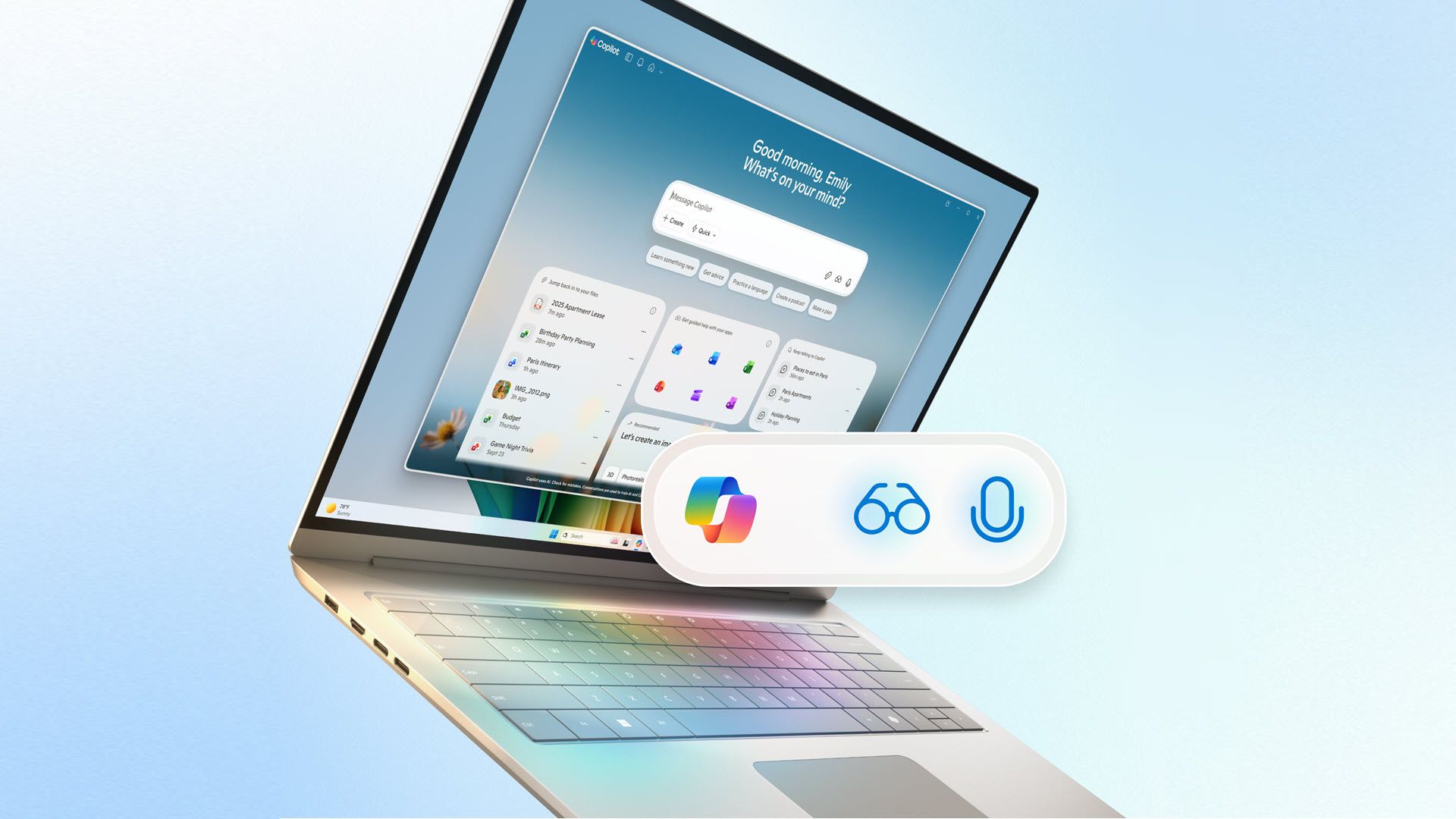
Things had settled down in Windows land by 2024, but Microsoft spoiled the broth again with the introduction of the Copilot+ PC era .
Source link





