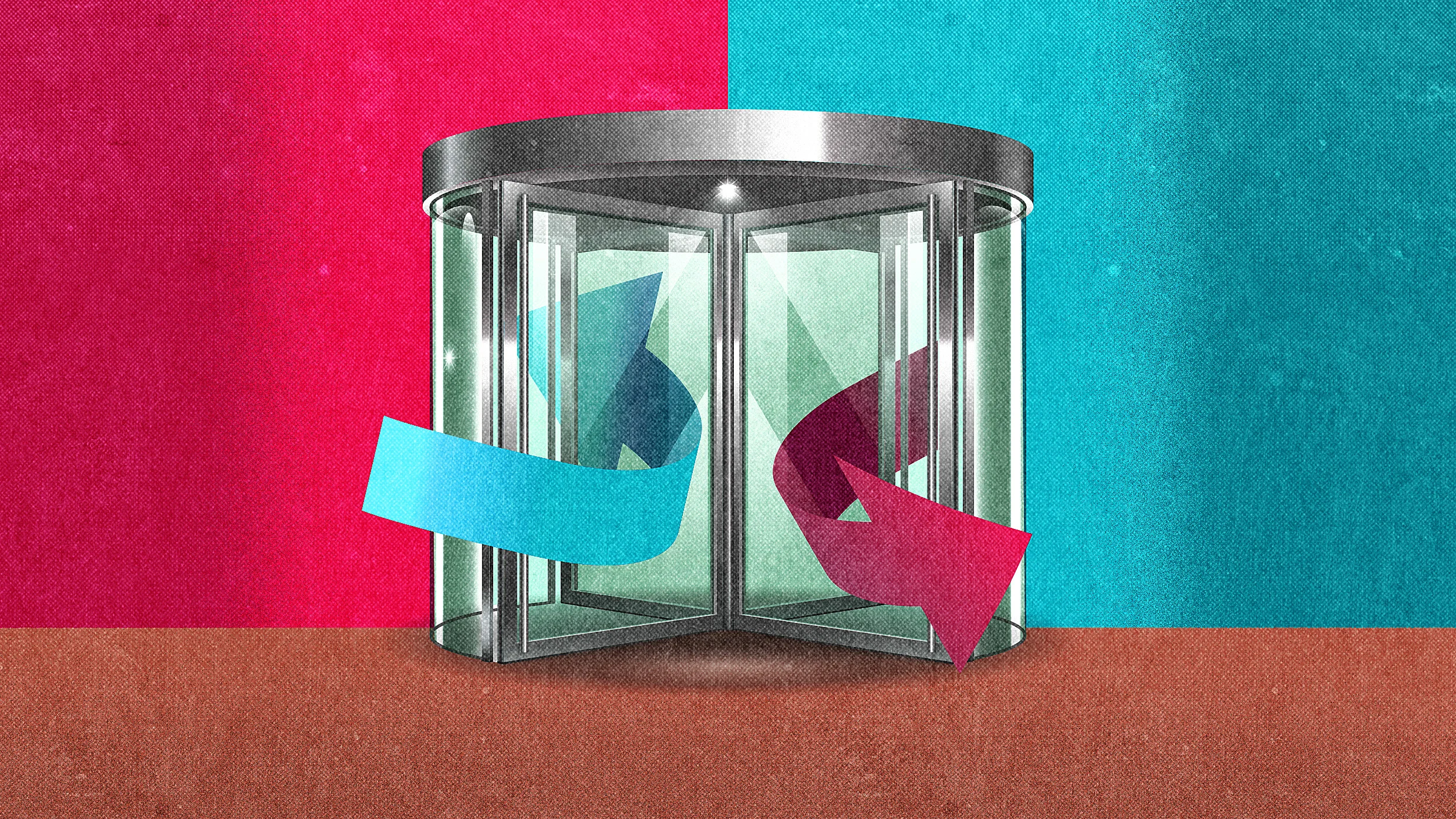
Chief AI officer may be one of the most important executive hires companies make in this decade. It may also be one of the shortest-lived.
Just a few years ago, most boards probably would’ve questioned whether they needed a dedicated leader for artificial intelligence. But when ChatGPT started to dominate public consciousness in late 2022 and early 2023, the conversation changed. The rush began to launch AI practices, assemble AI task forces and committees, and of course, appoint chief AI officers.
The rationale for hiring a chief AI officer was and remains sound. Without a dedicated person owning AI strategy, initiatives can fragment across teams or lack clear connection to talent, risk, and business opportunity. And given how quickly I’ve seen the role gain traction in my work advising companies on technology leadership, I’m not surprised that a recent IBM study found more than three-quarters of organizations have a chief AI officer.
But as AI becomes an enterprise-wide capability, the logic of a single owner is harder to sustain. If AI is part of every role, workflow, and major decision, why is only one executive in charge?
That’s where the paradox lies: The better a chief AI officer does their job today, the less their organization may need the role in the future.
There’s precedent for this kind of executive lifecycle. Think about the trajectory of the chief digital officer (CDO), which grew from a niche position at just 6% of companies in 2014 to 21% of companies in 2018; the pace of hiring appeared to peak in 2016.
Source link