

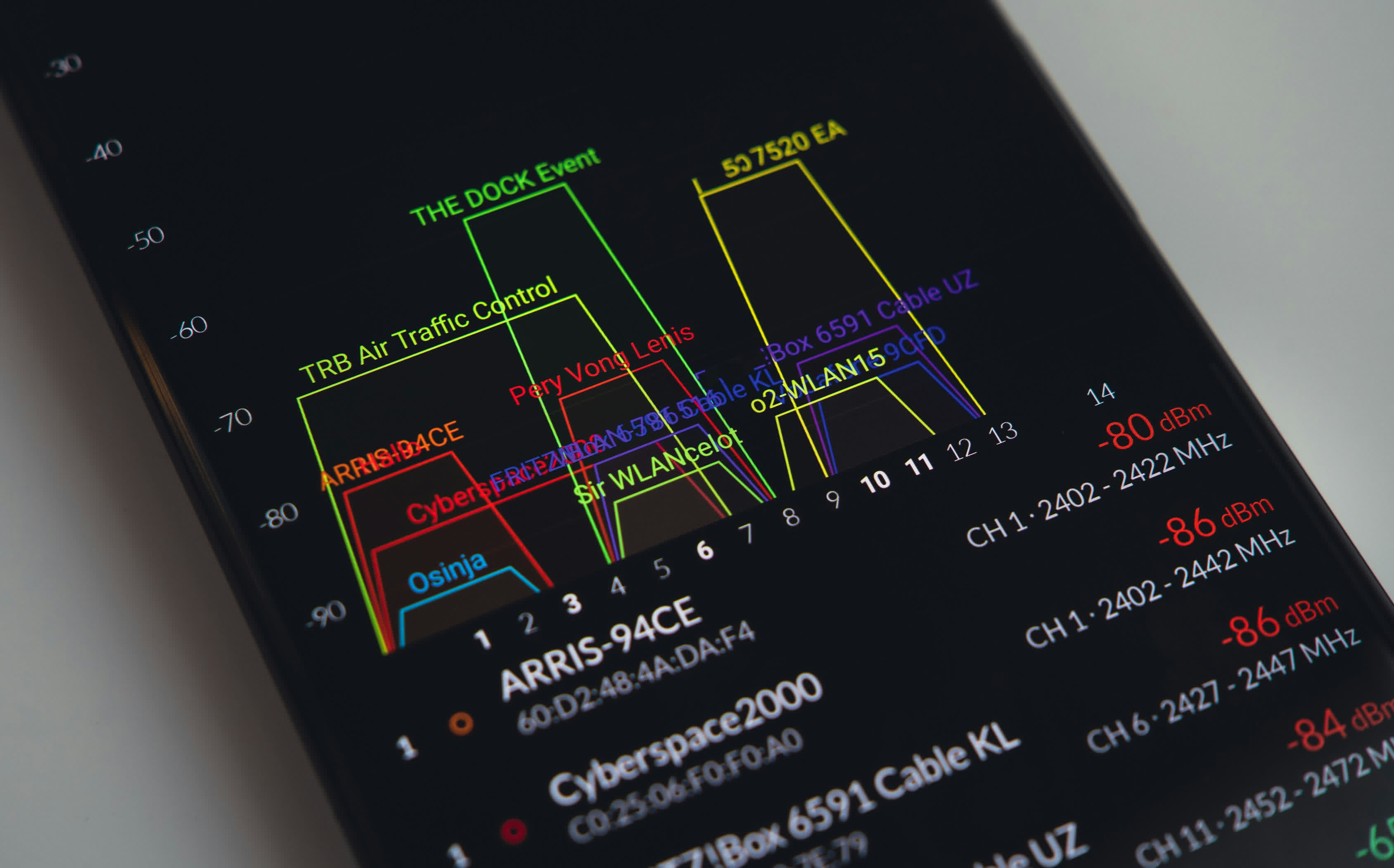
Wi-Fi 7, also known as 802.11be Extremely High Throughput (EHT), represents a major leap forward from Wi-Fi 6 and 6E. It introduces dramatic boosts in speed, efficiency, and responsiveness, enabling smooth performance for demanding applications like immersive AR/VR, ultra-high-definition streaming, cloud gaming, and large-scale IoT deployments.
One of the most notable upgrades is support for 320 MHz-wide channels – double the maximum width of Wi-Fi 6E. This allows far more data to be sent at once, particularly in the spacious 6 GHz band, where interference is low.
Another key innovation is Multi-Link Operation (MLO). Instead of locking onto a single band, Wi-Fi 7 devices can send and receive data across multiple bands – 2.4 GHz, 5 GHz, and 6 GHz – at the same time. This dynamic traffic distribution helps maintain stable connections in busy environments such as offices, apartment complexes, or stadiums.
Crucially, Wi-Fi 7 does not operate only in the 6 GHz band. Instead, it continues the multi-band strategy of earlier generations:
Routers, laptops, smartphones, and access points supporting Wi-Fi 7 are now widely available, but like any technology, real-world speeds will depend on your network setup, internet plan, and environment. Even so, Wi-Fi 7's flexibility and capacity make it a forward-looking upgrade for both home and enterprise networks.
Source link





