
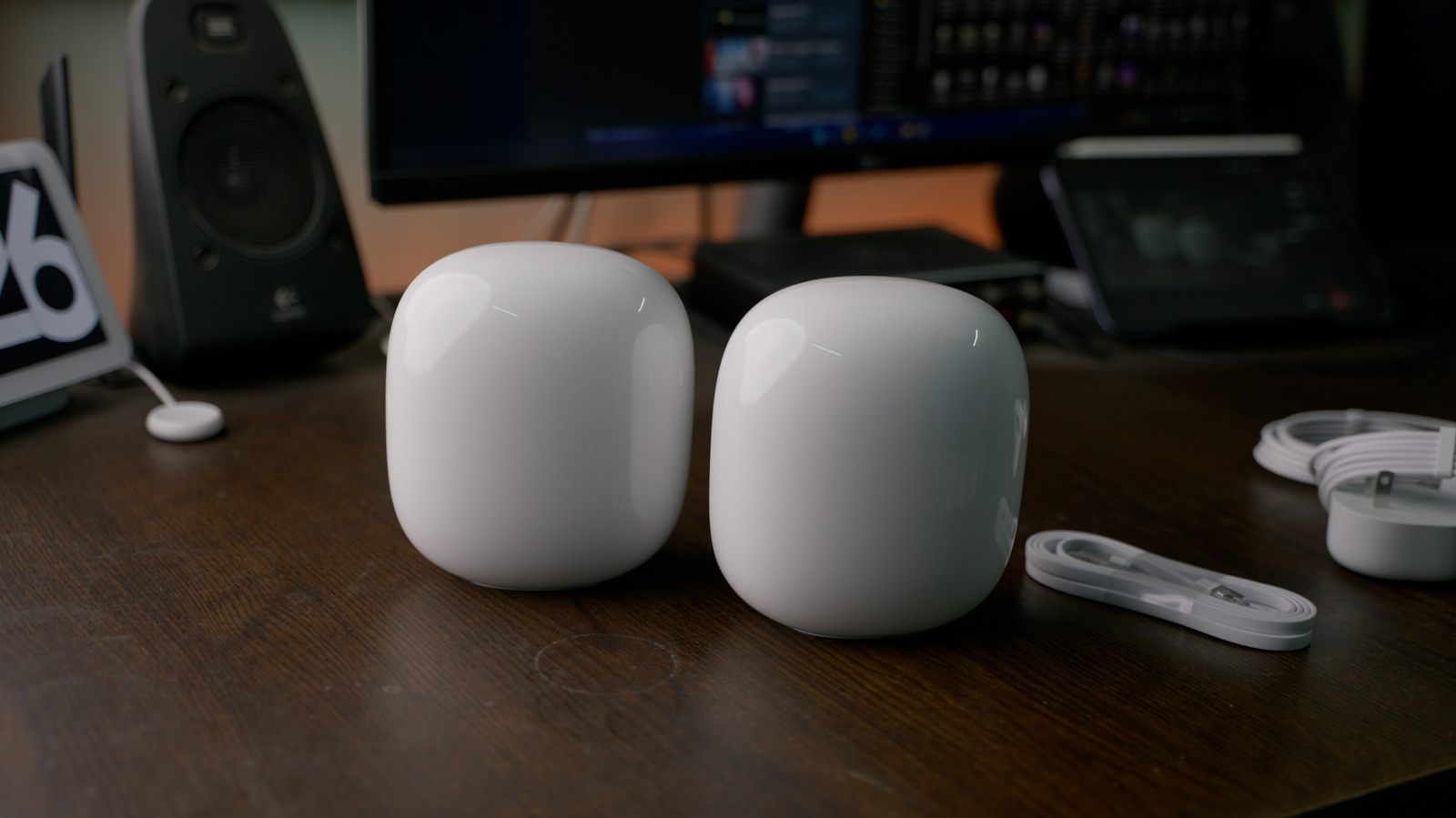
Your Wi-Fi router is like a busy train station, and once you get a sense of how things work, it's easier to keep the incoming and outgoing traffic humming.
Demands on home Wi-Fi have increased considerably over the past decade, never mind the launch of the first routers way back in the 1990s. It used to be that homes had a handful of connected devices at most, typically big-ticket items like PCs and game consoles. Today, there's a good chance your watch is online too, and that you've got a plethora of cool smart home gadgets ranging from lamps to smart speakers.
That can create a real crunch on performance. But why is that, exactly? You probably know part of the answer, yet there may be more going on than you imagine. Your Wi-Fi router isn't just a series of tubes — a better analogy might be a central train station with complicated lines of incoming and outgoing traffic.
Once you have a sense of how things work, it's easier to keep this congestion under control. It's not just about minimizing the number of connected devices — controlling how and when gadgets connect can also have a substantial impact.
All Wi-Fi routers have an internal bandwidth cap, but there are some differences between types of home internet . 6Gbps, whereas Wi-Fi 7 ups the ceiling to 46Gbps. 6Gbps mark, which is well beyond the scope of most internet plans, we should emphasize that these limits represent total available bandwidth — going not just to and from the internet but locally between devices.
Source link





