

In late August, the estate of Paul G. Allen sold the Seattle Seahawks NFL franchise to an ownership group led by venture capitalist Vinod Khosla for $9.6 billion. The values of major American sports franchises are soaring, and most owners don’t have to sell outright to raise cash for their operations.
In October 2025, the New York Giants sold a 10% stake in the franchise at a $10.3 billion valuation. At the same time, the New England Patriots sold 8% at a $9 billion valuation.
This summer, the Steinbrenner family agreed to sell at least 4% of the New York Yankees’ parent company as part of a $2.6 billion deal, at a valuation north of $10 billion. Days later, the Atlanta Falcons agreed to sell 10% of the team at a $10.6 billion valuation.
Selling minority stakes has become the new playbook for raising billions without giving up control. But this is a game the Green Bay Packers can’t play. Their ownership structure forbids it.
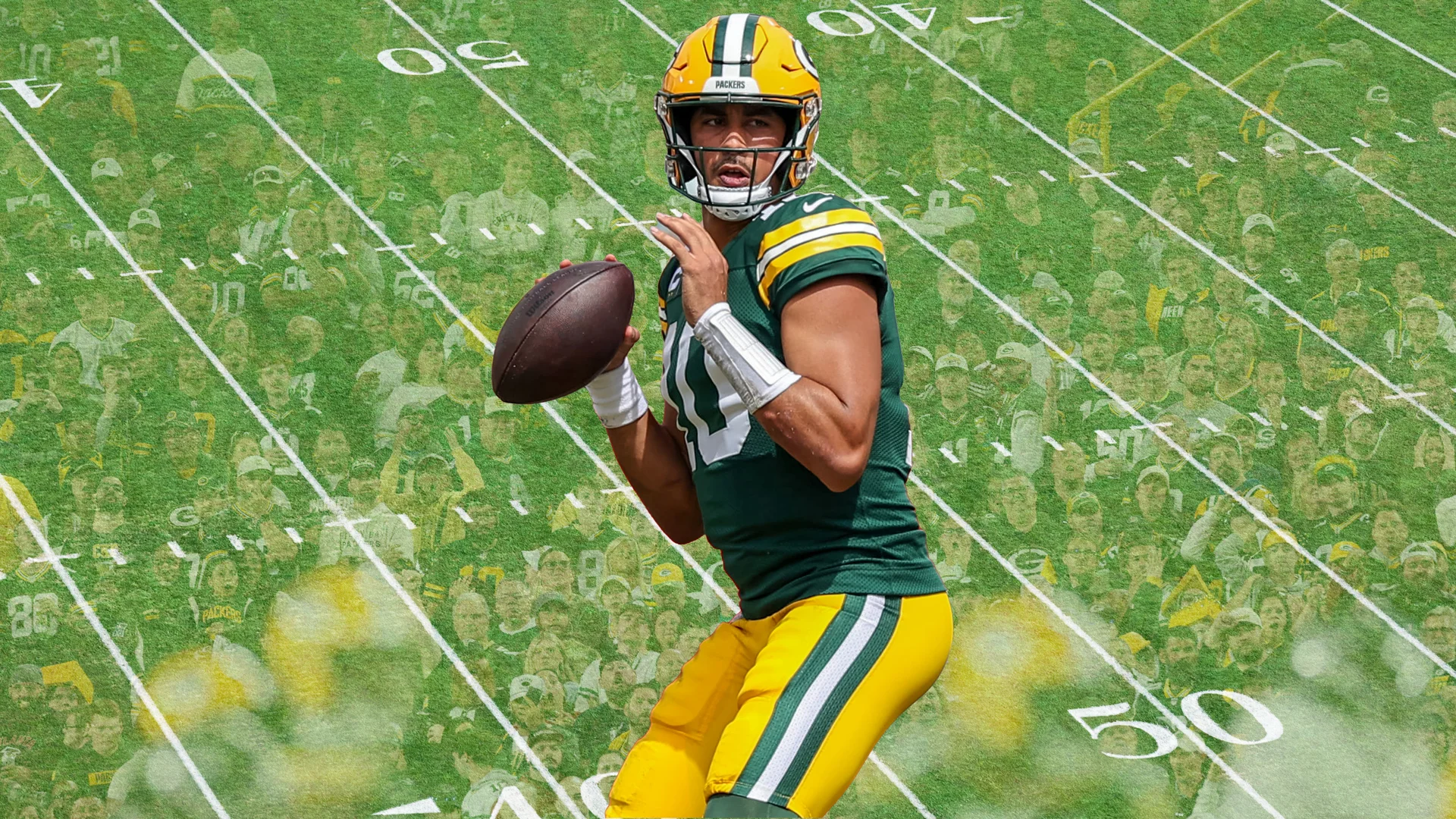
The Packers are the only major North American sports franchise owned by fans—more than 539,000 of them. The shares pay no dividends, can’t appreciate, and can’t be sold for a profit. Instead, all profits flow back into the franchise: facilities, team operations, reserves.
“Because of no owner, there were no resources allocated to other things,” says Andrew Brandt, former Packers vice president of player finance.
Source link





