Understanding the side effects of installing updates on your phone and how to deal with them.
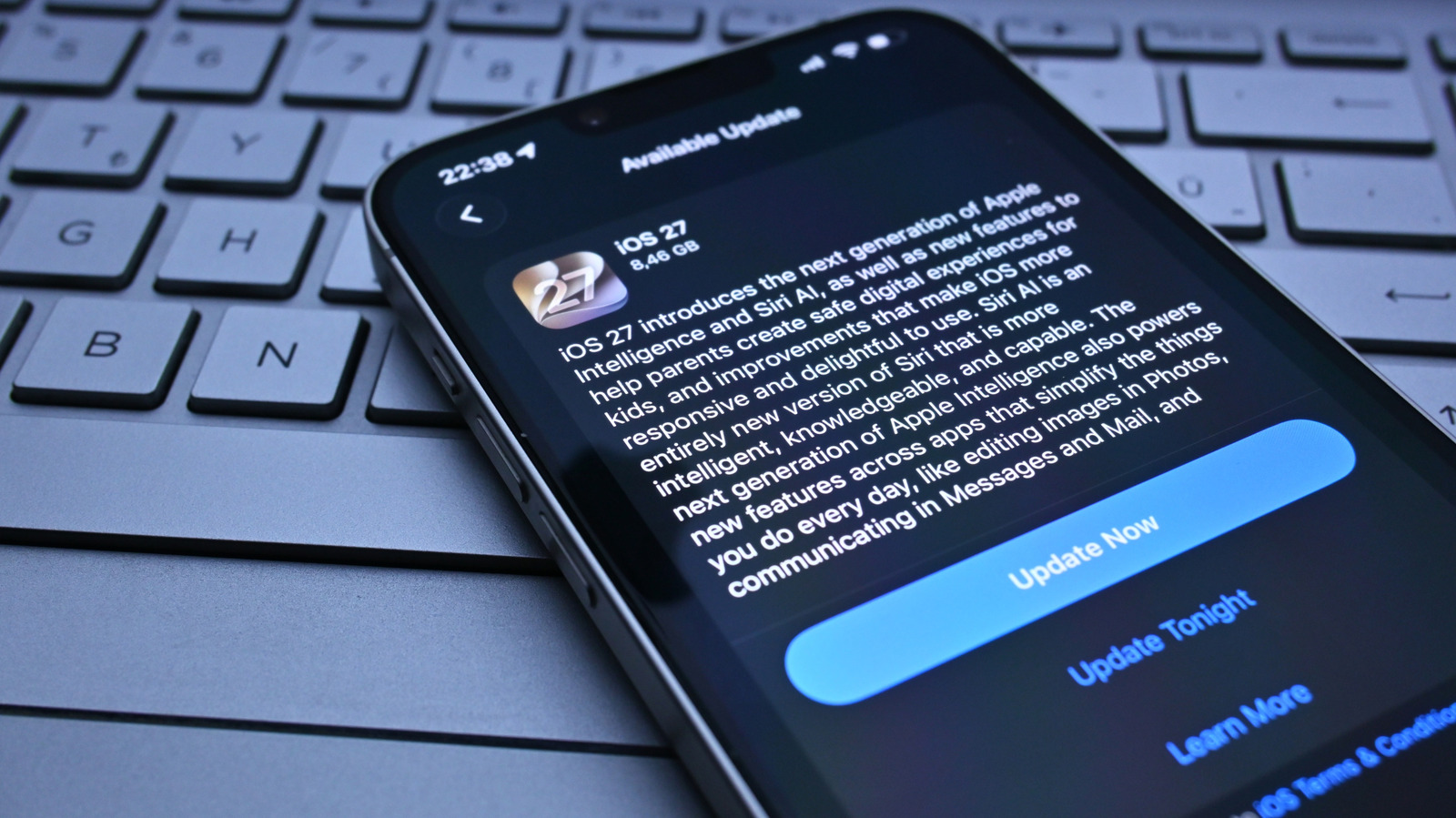
You may have noticed that, after installing a software update on your phone, it started behaving unexpectedly. Animations may seem sluggish, the device gets slightly warm and the battery drains faster. Since software updates usually bring many improvements, it seems ironic to have these negative side effects — and they can happen on both the iPhone and Android phones.
The good news is that these issues are usually temporary; here's what's happening and what you can do about it.
When you install an iOS or Android update, the system runs a lot of background processes to get everything in order. On the iPhone, Apple says that Spotlight reindexes all your data after an update. Depending on how much data you have, this can take hours or even days. Android also takes time to reindex everything — it's an important process that lets your phone know everything is in place and nothing was lost during the update.
This indexing process causes spikes in CPU and GPU usage on your phone, meaning there are fewer hardware resources available to handle your apps and system animations. Once the indexing is complete, your phone should go back to normal. Older phones may be more affected by updates and all these processes running in the background. Newer devices have more powerful and efficient chips, so you might not notice a huge difference after installing an update.
This brings us to a second reason for these side effects after an update: major software updates are generally built around the latest hardware.
Source link