
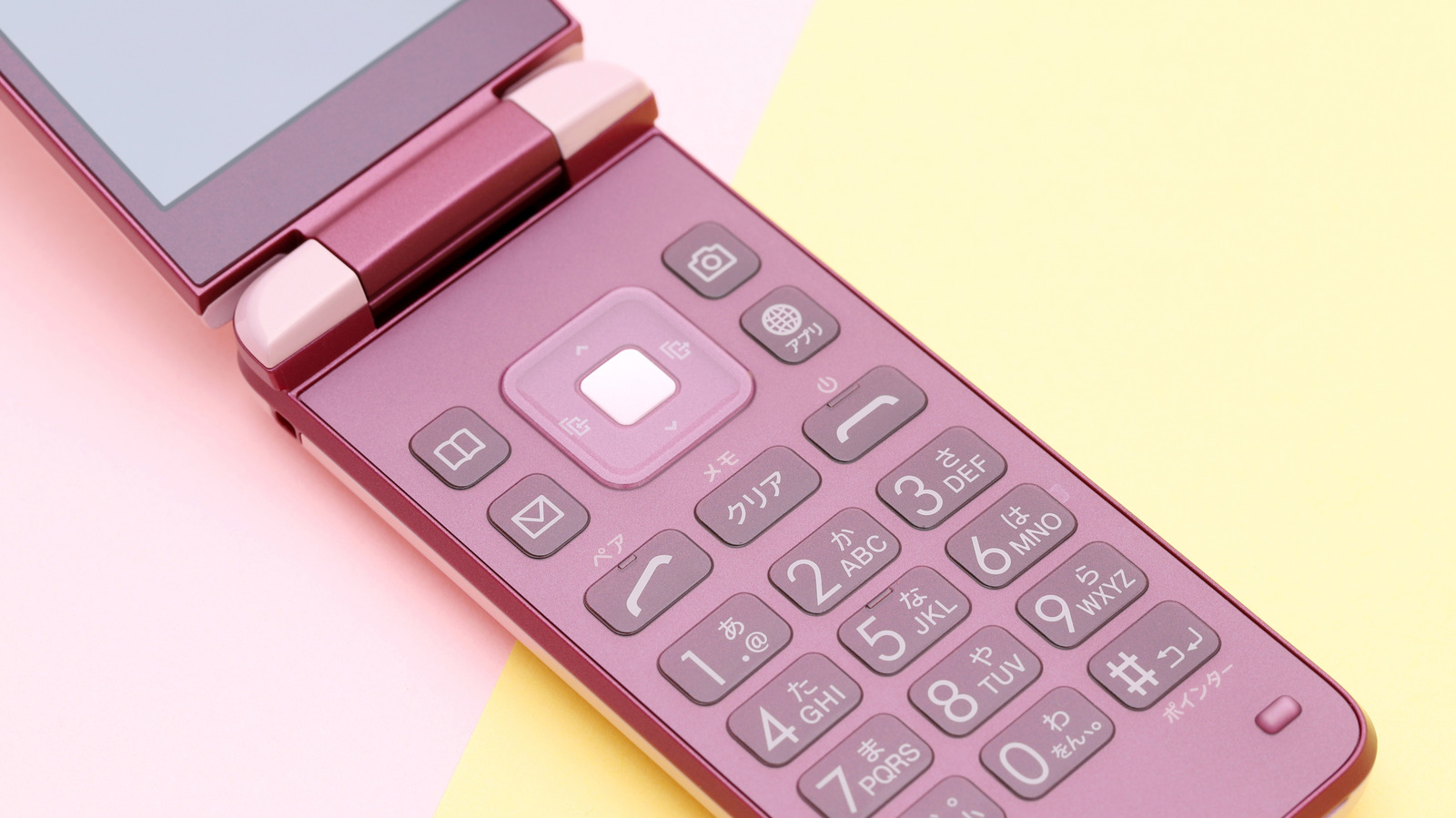
Flip phones endured in Japan longer than the US, but the trend is shifting.
Chances are you haven't seen a flip phone in the wild for years. The days of the old Motorola RAZR and similar clamshells are long gone. But in Japan, its esoteric tech ecosystem kept them in circulation for decades.
The gara-kei, short for Galapagos keitai, are Japan's curious feature phones with physical keyboards that refused to die in an era of big-screened smartphones. "Galapagos" refers to the isolated islands in the Pacific Ocean, and keitai stands for "portable." For a time, Japanese mobile carriers sold enough of these basic handsets to inspire hybrid garaho phones from brands like Kyocera that paired clamshells with Android and 4G connectivity.
But consumer habits are changing. A Docomo survey in Japan found that smartphones accounted for 90 percent of mobile phone owners in 2021 and 98 percent by 2025. The country's feature phone shipments fell by over 25 percent to under 400,000 units in the first half of fiscal year 2025, according to research firm MM Research Institute.
It's a slow decline poised to accelerate after carrier NTT Docomo ended the country's remaining 3G data service this March. Why, and how, is the venerable gara-kei going extinct?
Many believe that the gara-kei has strong ties to Japan's culture. It had features well beyond regular flip phones designed for other markets. In addition to durable builds and tactile keyboards, many of these phones could pick up One-Seg TV broadcasts and share contact info via infrared transmitters long before Apple's NameDrop was a thing.
Source link





