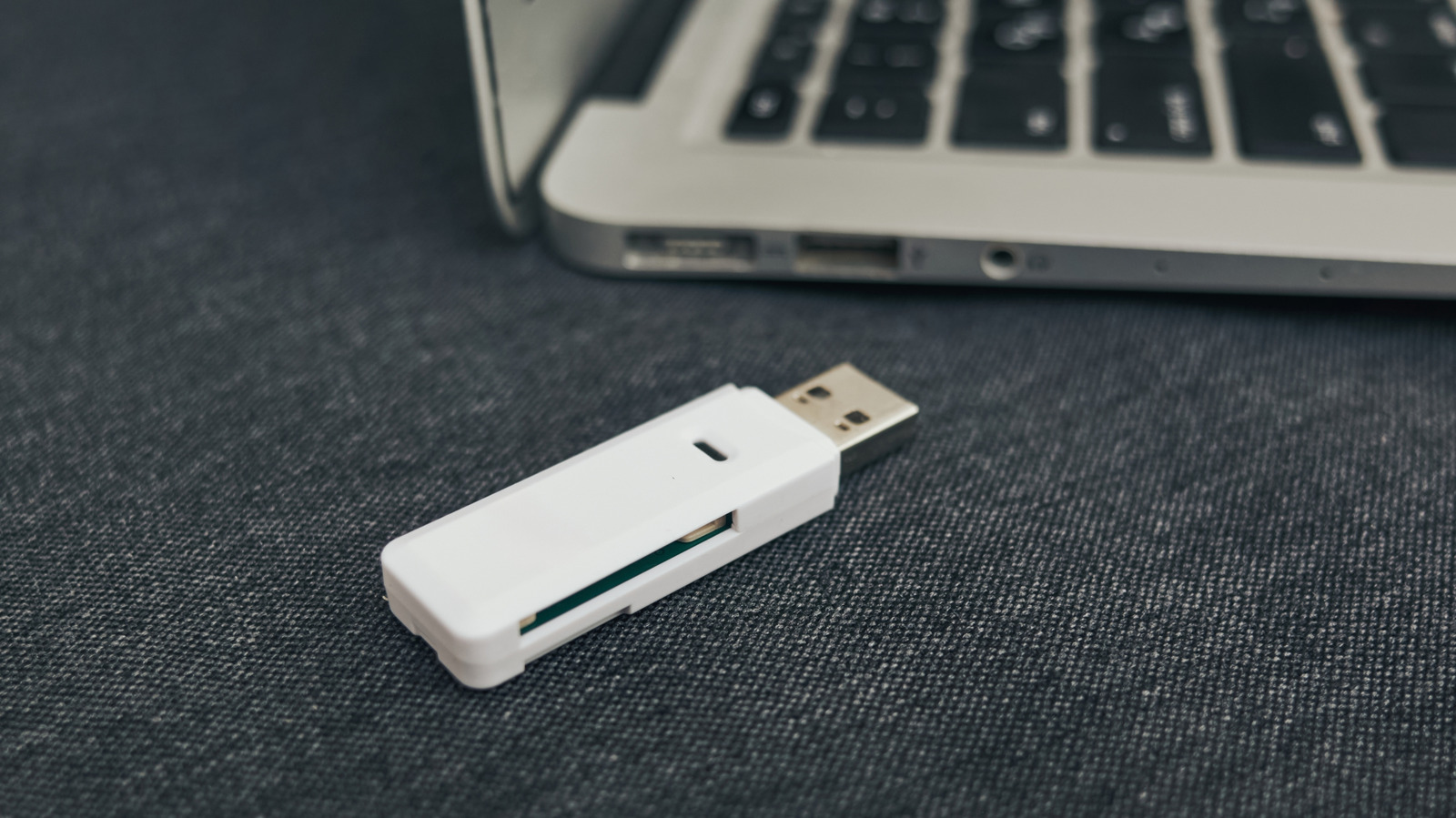
Perhaps it's just anecdotal, but USB thumb drives don't seem as popular as they used to be. That would make sense, since they've been rendered unimportant or obsolete for many of the tasks they were built for. Technologies like email, chat and AirDrop make transferring small files a breeze. Larger files are often better stashed and shared using online services like iCloud, or else full-size external SSDs.
You may well be keeping some files on thumb drives, whether because they make sense for your lifestyle, or you're just clinging to media from a decade or two ago. And why wouldn't you? There's nothing more portable than a tiny USB stick. There's also no sense buying extra storage if you don't have to, certainly not with memory prices shooting into the stratosphere.
If you haven't already, though, it's time to create backups for those old thumbies. Their time is running out, either because of the odds of a disaster or the inevitable consequences of their design. You should even consider migrating away from them entirely.
Anything as small as a thumb drive is at high risk of destruction or going missing. You might leave one at the office, or accidentally catapult it out of your bag as you race to catch a plane. And if you move frequently enough, some possessions can seemingly vanish into the ether.
Even without those concerns, there's a ticking clock. All flash storage has a finite number of write cycles, usually somewhere in between 10,000 and 100,000 for a thumb stick.
Source link