
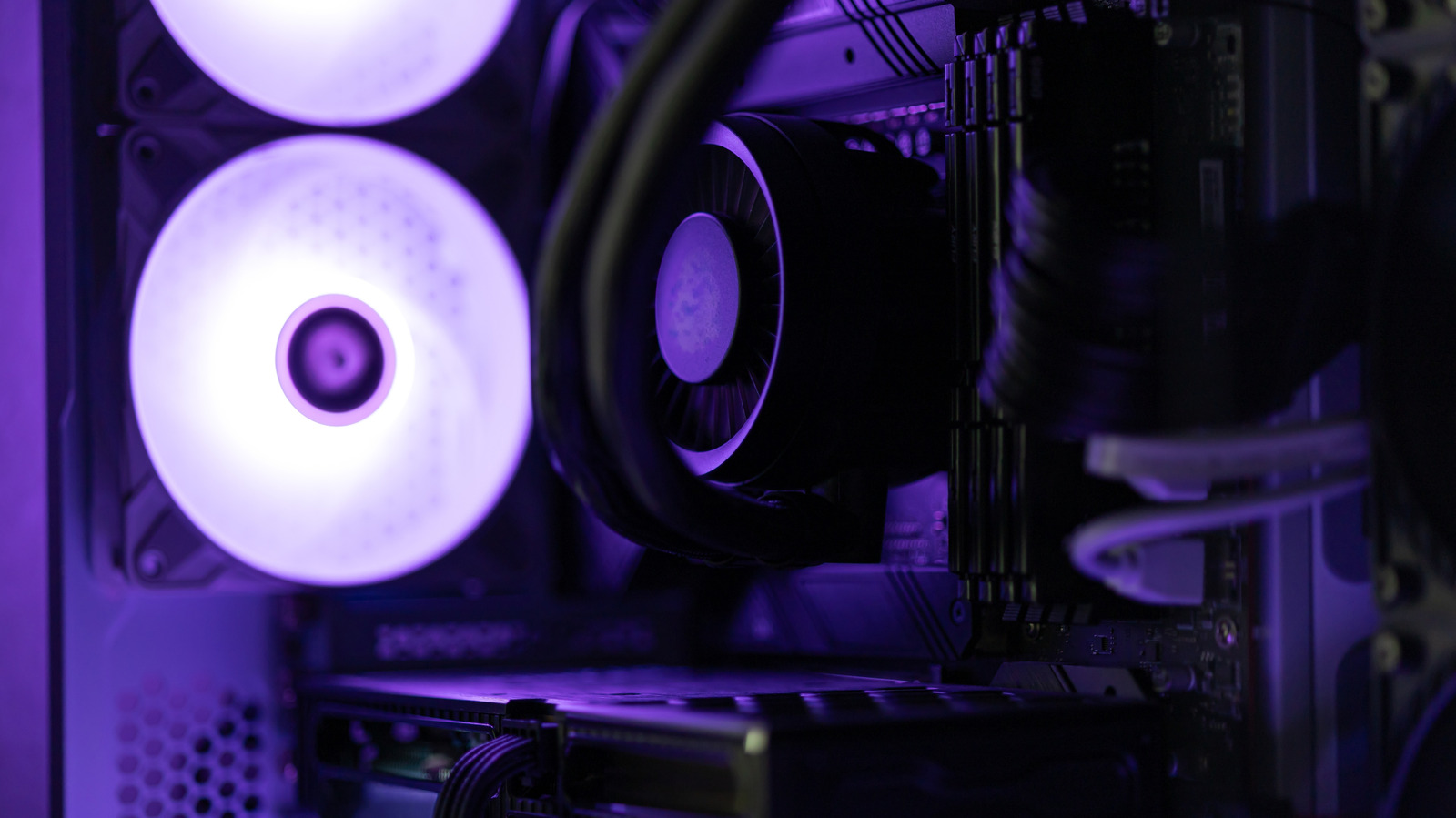
The performance gains you get with modern chips aren't as noteworthy as they used to be.
If you were a PC enthusiast in the 2000s or even most of the 2010s, you may remember how popular overclocking was at the time. Overclocking involves increasing a CPU's clock speed past the manufacturer's advertised specifications. In effect, it allows you to squeeze more performance out of a chip, making it perform better than its factory settings and potentially even matching higher-end CPUs.
But overcooking has fallen out of favor in recent years even though it's still technically possible on modern CPUs. You won't find nearly as many guides on how to overclock these days, nor is the hardware modding community as large as it once was. So what changed with CPU overclocking and why do even advanced users no longer seem to care about extracting free performance from hardware they already own?
CPU overclocking hasn't disappeared entirely, but the traditional methods have given way to a more automated and hands-off approach. Modern processors and motherboards now include features that push their clock speeds beyond their advertised capabilities whenever the workload demands it.
By contrast, older processors would take a much more conservative approach and stick to two clock speed values from the factory: a base and maximum boost frequency. Modern CPU spec sheets still advertise base and boost frequencies, but these are no longer definitive.
Many motherboards' BIOS menu include a setting called Multi-Core Enhancement or Enhanced Turbo that algorithmically pushes clock speeds past their out-of-the-box defaults.
Source link





