Home / Technology / Tech News / Why AI agents need an identity layer to act safely on web built for humans
Why AI agents need an identity layer to act safely on web built for humans
AI agents can shop, book travel and make payments, but disputes involving Meta, Amazon and NPCI expose gaps in how the web identifies agents, grants permissions and assigns responsibility
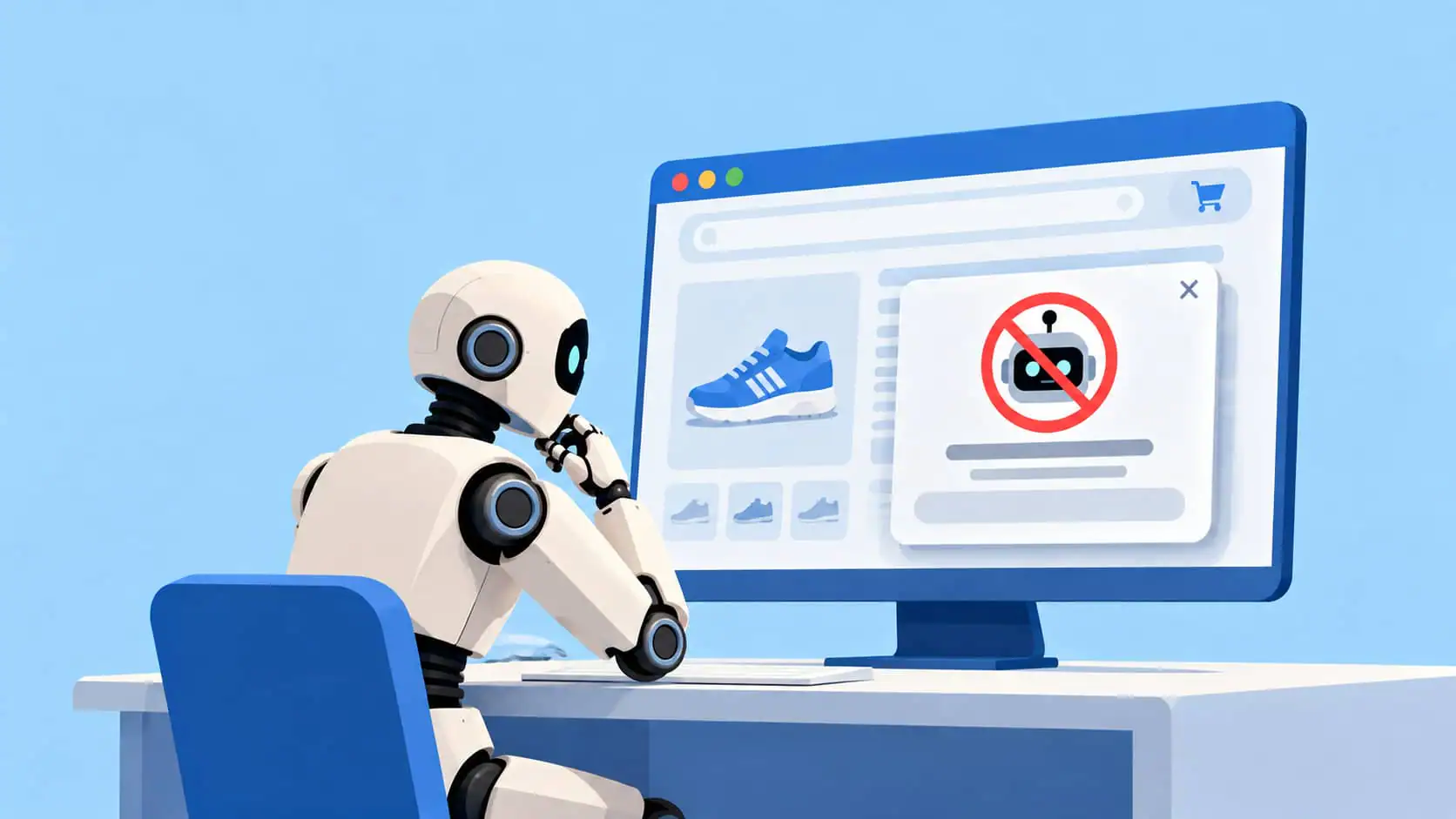
AI agents are increasingly being designed to interact with websites, while online services are still built largely around human users and their interactions (AI-generated image)
Harsh Shivam New Delhi 7 min read Last Updated : Sep 25 2026 | 2:06 PM IST
Artificial intelligence (AI) agents are moving from answering questions to performing tasks such as shopping, booking travel, sending emails and making payments. But many of the systems they need to use were designed around human users, creating problems around identity, access, authentication and accountability.
Meta's new Muse agent ran into this problem within weeks of its launch. Amazon blocked Muse from accessing its marketplace, saying the agent was unauthorised and raising concerns over how it identified itself and handled customer credentials. In India, the National Payments Corporation of India (NPCI) has also paused the rollout of its proposed Unified Agentic Protocol (UAP) for UPI, citing regulatory and safety concerns.
This suggests that while AI agents can operate autonomously, the internet does not yet have a common way to recognise what an agent is, who it represents, what it is allowed to do and who is responsible when something goes wrong.
Source link