
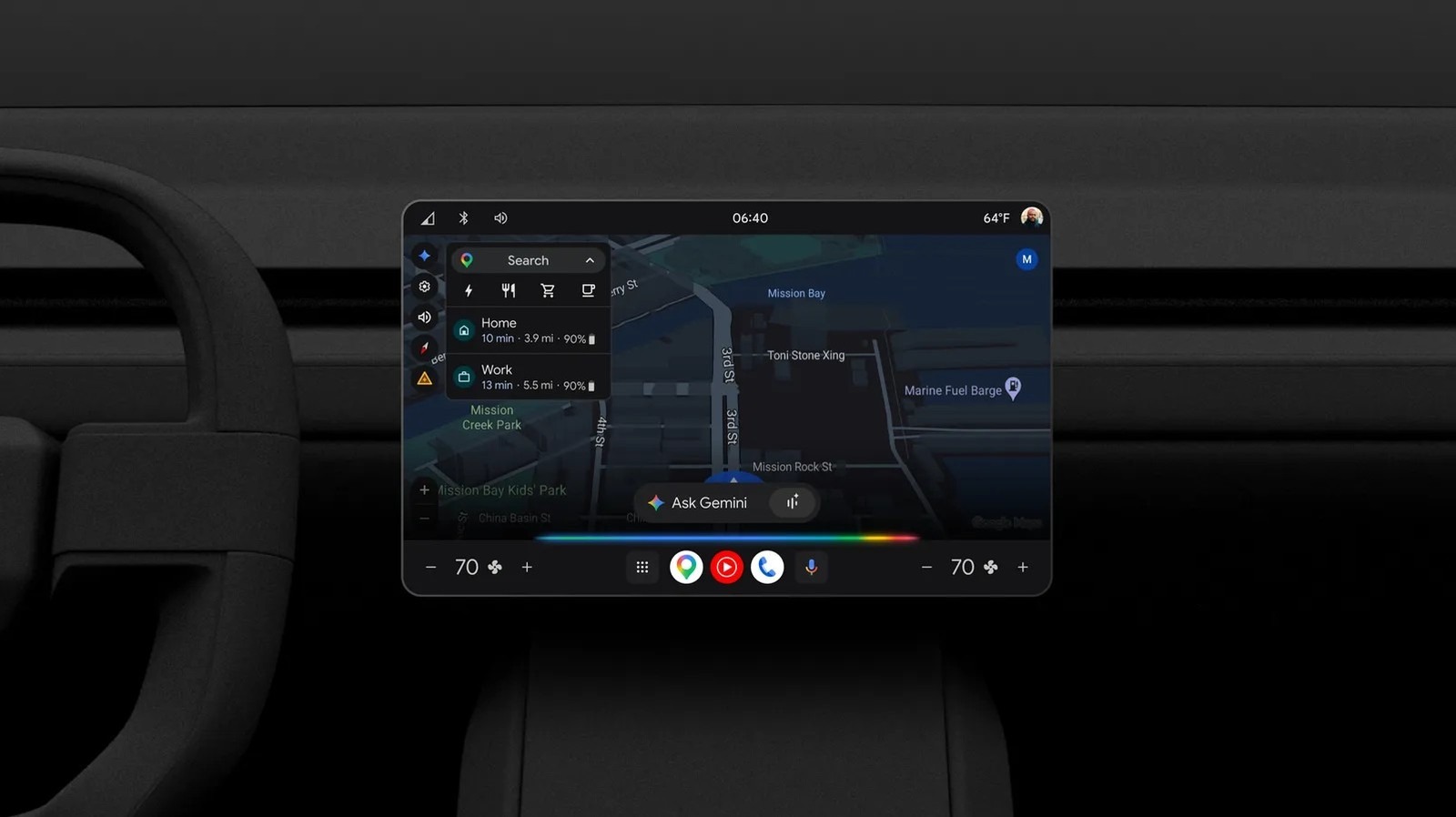
One is a set of apps while the other can run almost everything inside of a car.
Despite the popularity of Apple CarPlay and Android Auto, car manufacturers are moving away from these phone mirroring applications in favor of native infotainment systems. Google, for its part, has supported this transition through Android Automotive and Google Built-in, two in-car infotainment software stacks that place Android's popular OS into your car. For instance, GM has moved away from Android Auto in favor of a Google Built-in solution since 2023. Automakers tout such moves as bringing a more seamless connection between a driver and their vehicle. But some customers continue to meet these changes with a mix of anger and confusion, with some lamenting that built-in systems are likely intended to open new revenue streams, either through subscription models or the sale of driver data, rather than provide a better driving experience.
Google has grown into a major player in this swiftly-changing infotainment space. Manufacturers deploy the Mount View company's in-car technology through two operating systems, Android Automotive Operating System (AAOS) and Google Built-in. Unlike phone mirroring applications like Android Auto, which simply project your phone's display onto your car's dashboard, both Android Automotive and Google Built-in are independent operating systems, complete with applications and features that run without your phone. And while connecting your phone and car to the same Google account may increase compatibility, neither requires its driver to use an Android phone. For most consumers, parsing the differences between Android Automotive and Google Built-in can be difficult.
Source link





