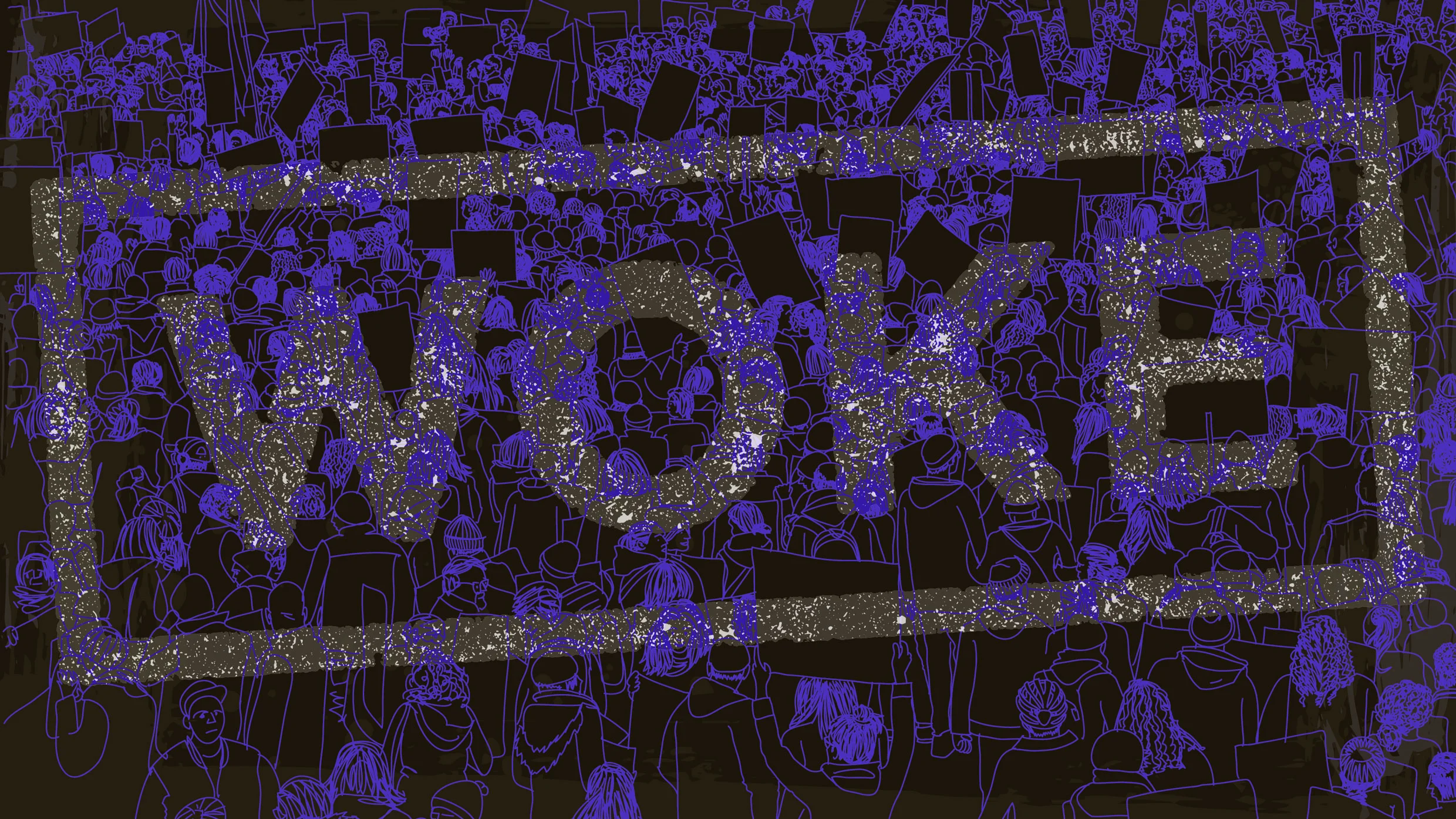
In the aftermath of the Democrats sweeping the midterms, the internet has anointed this moment “Woke 3.0”: an extension of the terminology that people have used to describe the political and cultural movement that took hold during the pandemic, particularly after George Floyd’s murder. It’s something that was recently referenced by Representative Alexandria Ocasio-Cortez in a widely discussed interview where she appeared to distance herself from that brand of progressivism. (As she put it: “Woke 1 was crazy.”)
On social media this week, the discourse around Woke 3.0 has taken the form of quips about pronouns and anti-AI rhetoric. But this discussion, unserious though it may be, captures how the outcome of the election could have real implications for diversity, equity, and inclusion efforts in the workplace.
Back in 2020, it seemed like corporate America was finally taking DEI seriously. Some of the biggest tech employers in the country—among them Microsoft, Alphabet, and Meta—didn’t just speak out about the racial reckoning but also backed up those commitments with hundreds of millions of dollars. Many companies hired chief diversity officers for the first time and, at least on the surface, appeared to make real investments in DEI talent.
It didn’t take long for that to change—first quietly, then more publicly as the Trump administration set its sights on the DEI movement and the Supreme Court struck down affirmative action. As the public outcry over racial injustice faded, companies started to divest from DEI programs.
In retrospect, it seems obvious that some companies merely paid lip service to diversity efforts; as Fast Company has reported , many employers were so hasty in their attempts to publicly support DEI that they didn’t ensure there was enough structural support for those initiatives, or any real way of measuring progress.
Source link