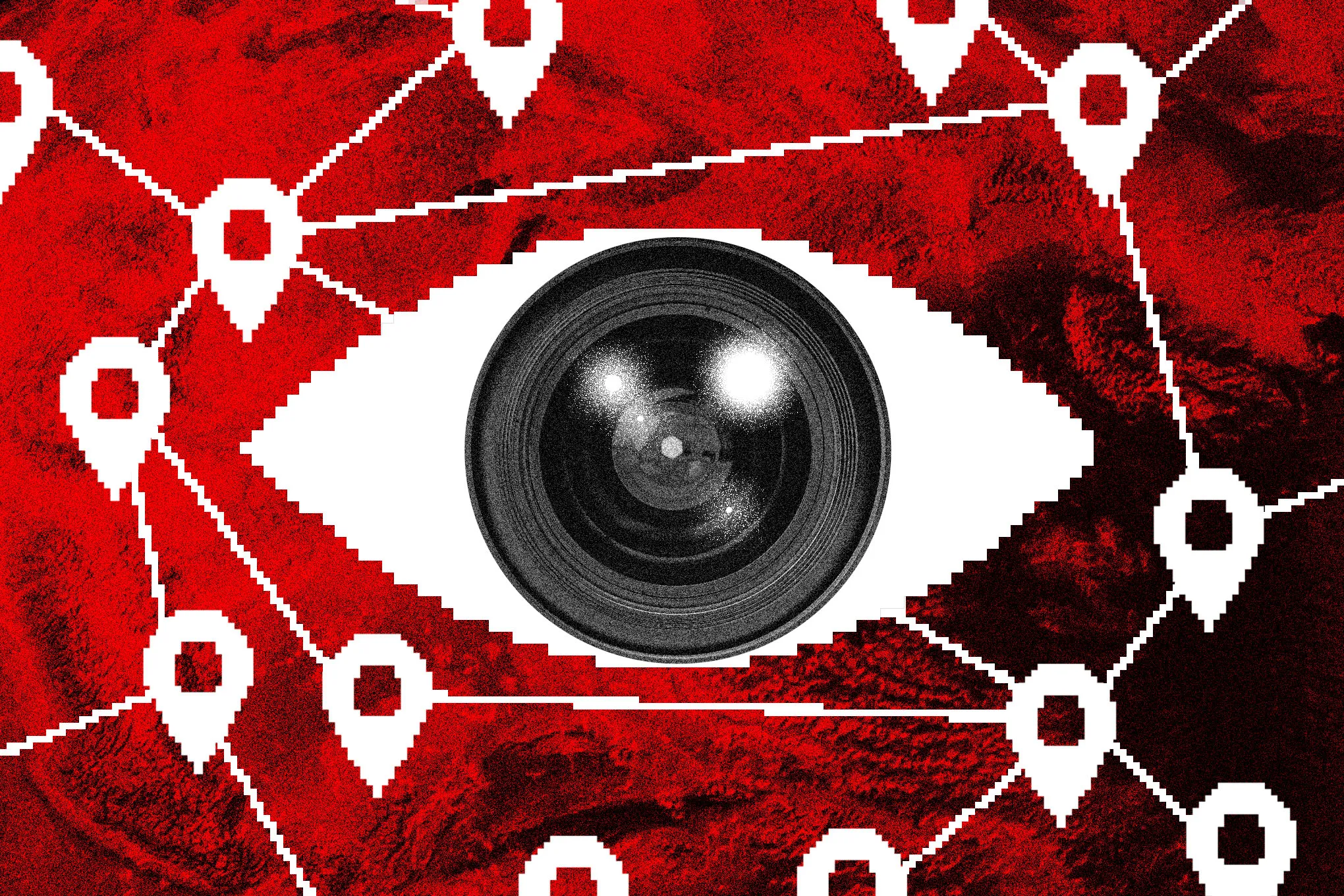
We hand out our phone numbers constantly. Banks want them, stores want them, apps want them, and half the internet seems convinced it needs one before letting us create an account. At this point, you should probably assume your number has ended up in more places than you remember.
But that doesn’t mean anyone who finds it can hack your phone or empty your bank account. A phone number by itself is fairly limited. The problem is that it’s often attached to other important information, such as your name, email address, online accounts and, sometimes, much more personal information.
That’s why your phone number is worth treating like the personal information it is. You don’t need to worry just because somebody has it, but you should understand what they can actually do with it, what signs may suggest something more serious is happening and how to make your number less useful to bad actors.
This article was made possible in part by Incogni. It was written and edited independently without partner oversight.
Your phone number is more widely available than you might think (like a lot of your personal info). You may have put it online yourself years ago, on a social media account, job listing, professional profile or some other forgotten corner of the internet. Depending on your privacy settings, some platforms even let people find your account by searching for the phone number attached to it.
Then there are data brokers and people search sites, which collect information from public records and commercial sources and package it into profiles.
Source link