

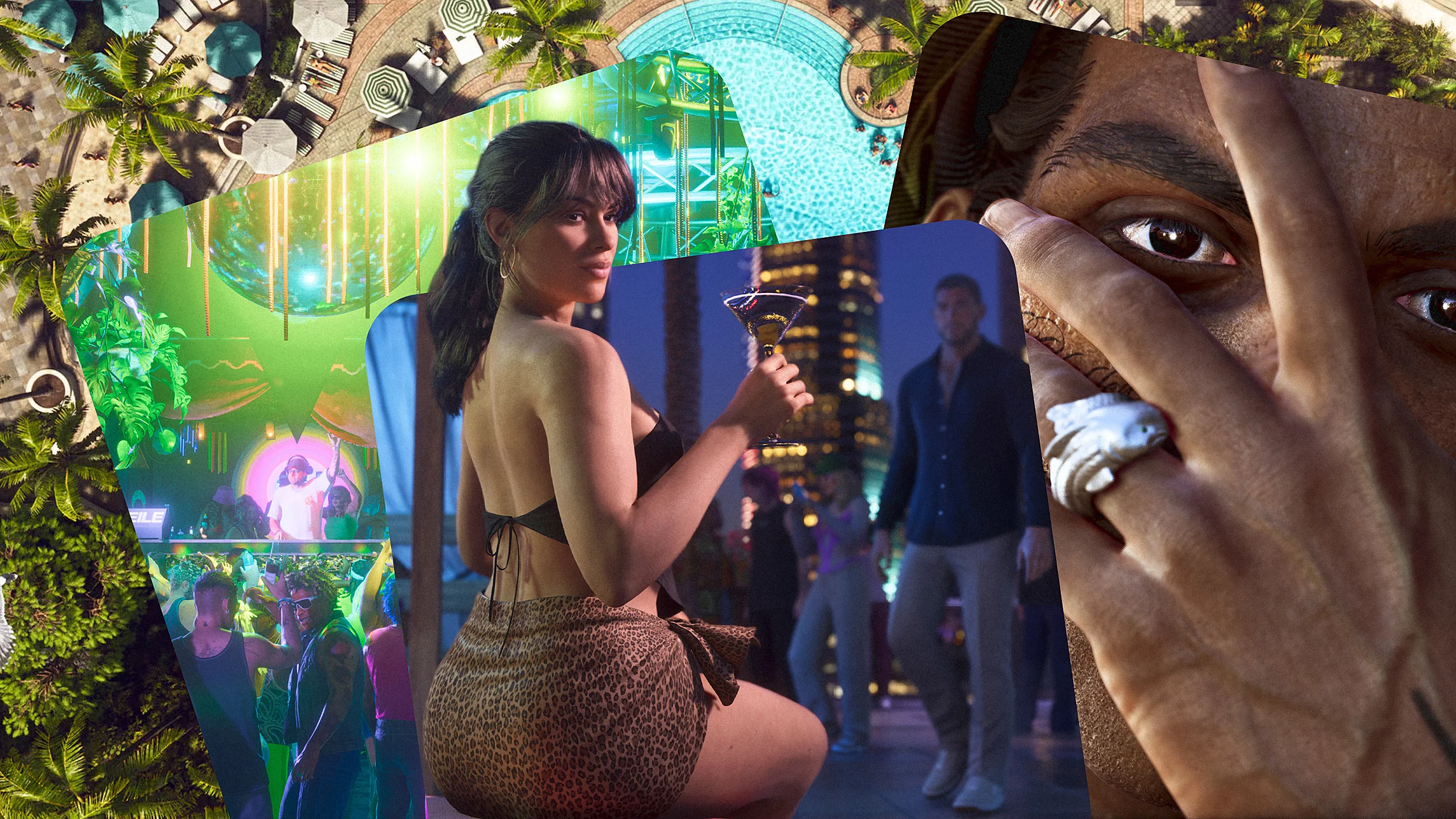
Grand Theft Auto was once the game you weren’t supposed to own, let alone play. Today, it’s one of entertainment’s biggest cultural forces, as shown by its latest release, GTA VI, which is arguably the most anticipated game release ever, with $1 billion in preorders and countless memes as evidence.
So, how did something once treated as a threat to culture become such a powerful part of it?
As someone who has spent more years of their life playing GTA than not—and who now helps brands find their own loyal following—I think it offers a lesson in how creative conviction can become a commercial superpower.
The original top-down Grand Theft Auto launched on November 28, 1997. At the time, music, television, and film dominated cultural conversation and gaming was dismissed to a dark corner of teenagers’ bedrooms. It was counterculture. Today, that’s changed. There are an estimated 3.5 billion gamers globally, gaming shapes conversation more than people think, and it has become a destination where culture is built.
While its audience grew, and culture shifted, GTA kept designing a world that was unmistakably its own. Critically, GTA wasn’t just a game set in a version of American culture; it was a playable satire of it, exaggerated and, yes, often uncomfortable. It had an extraordinary way of bringing users in on the joke. Excess became the punch line. And brilliantly, it didn’t ask players to watch the joke from a distance. They could participate in it.
As gaming became more mainstream, GTA brought this irreverent perspective with it.
Source link





