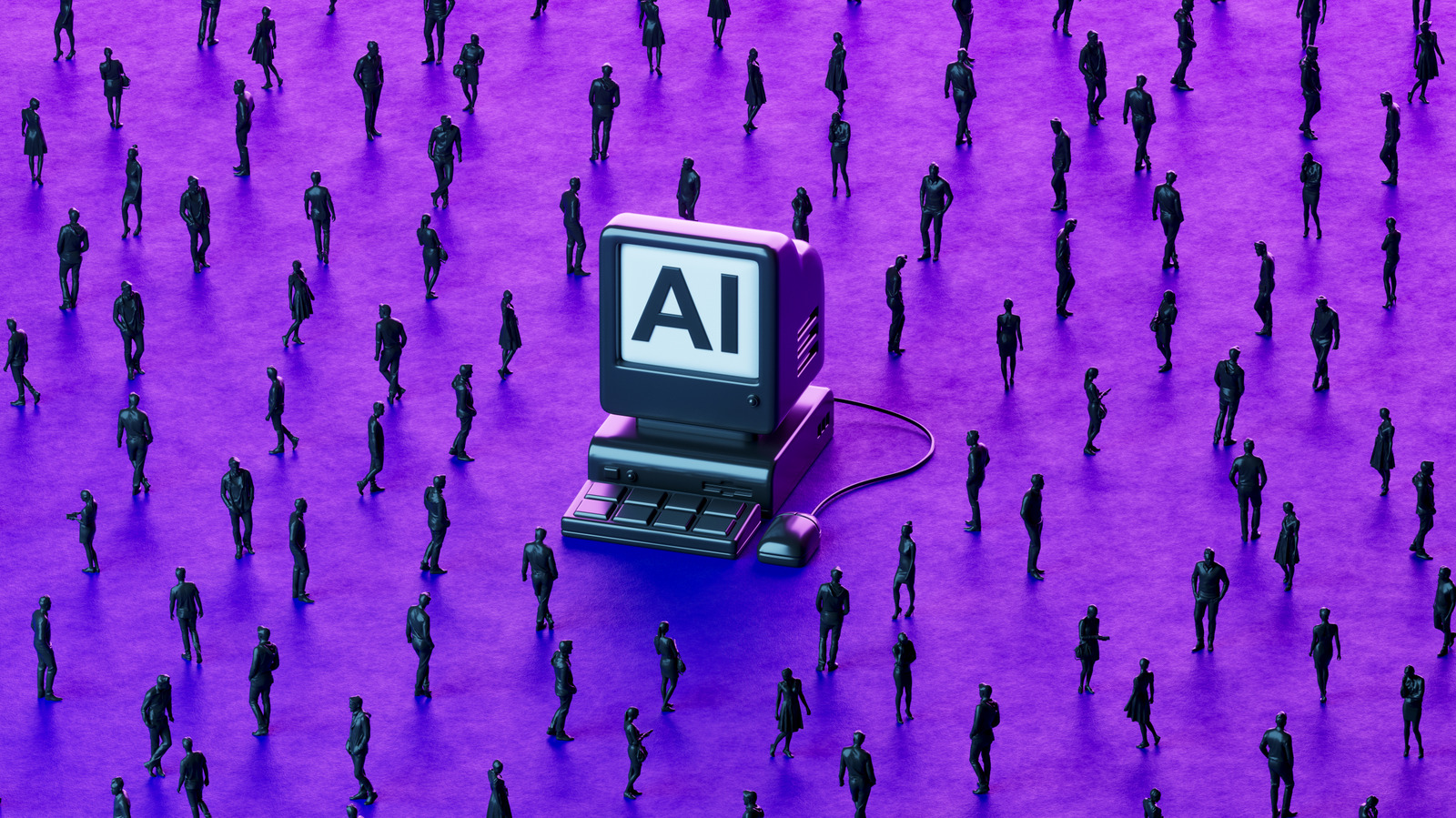
When spending time online today, do you ever get the feeling that digital life has become eerily less human? Perhaps social media posts seem a bit off, or you get the sneaking suspicion the customer service representative you are chatting with is actually a bot. If this sounds familiar, you aren't alone: a paradigm called the "dead internet theory" has been gaining momentum in the last several years, positing that the internet is increasingly dominated by non-human activity, including bots and AI-generated content.
Since the theory first started making the rounds on internet forums in the 2010s, AI has only gotten more powerful. In September 2026, OpenAI reported that it had found a solution to a famously difficult mathematics puzzle, the Navier-Stokes problem. Meanwhile, a 2026 report from cybersecurity group Thales found that automated traffic continues to overtake human activity online, with bots accounting for 53 percent of all web traffic, up from 51 percent the year before. And bots are now talking to each other without humans in the loop at all: In March, Meta acquired Moltbook — a social network on which AI chatbots communicate with one another, often discussing humans. So as the internet landscape potentially gets less human every day, what exactly is dead internet theory, where does it come from, and should we be worried?
Dead Internet Theory — the idea that the majority of the internet is propelled by bots and other non-human agents – has been floating around for quite some time.
Source link