
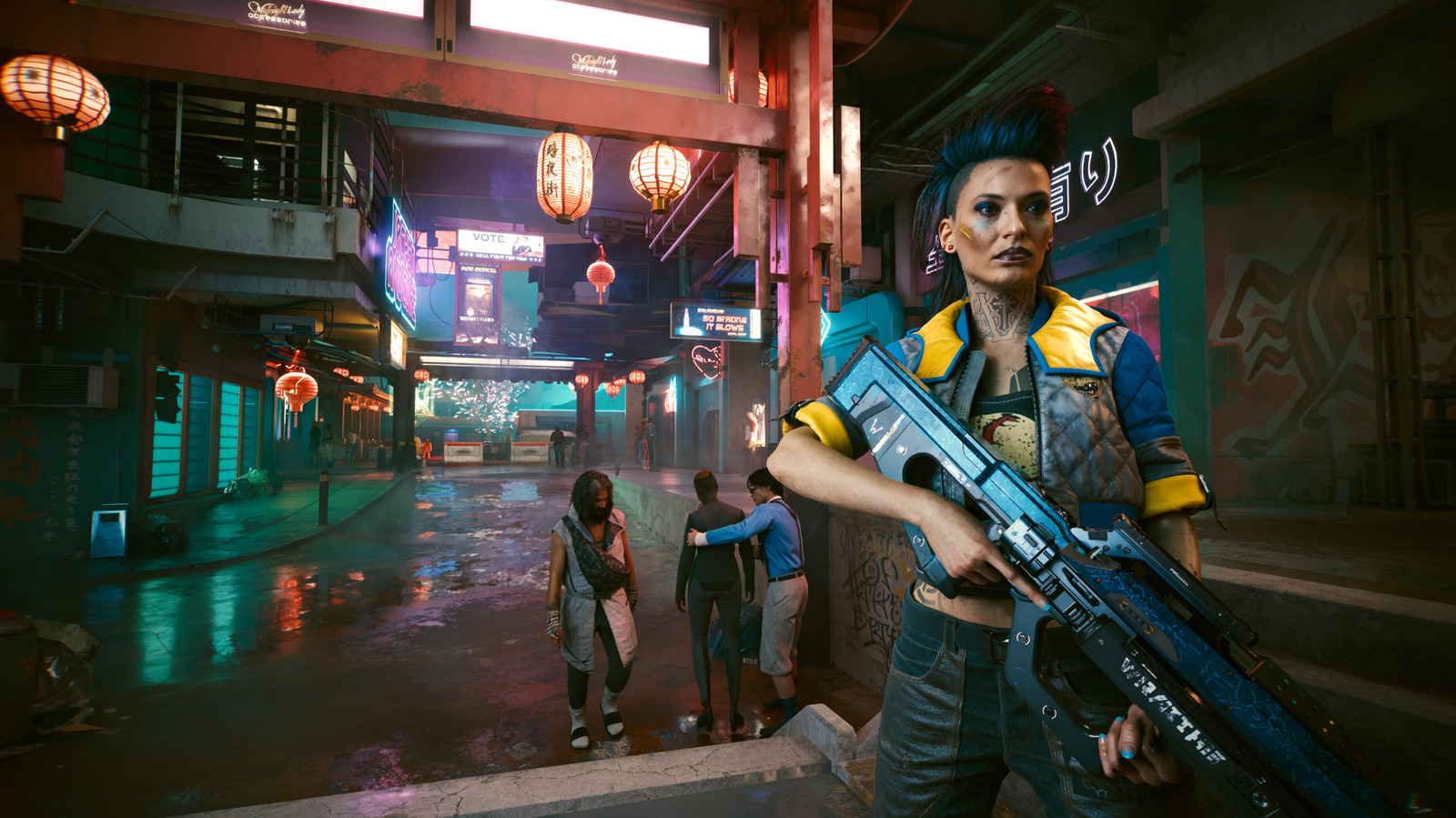
Games look way more beautiful, but it comes at a high cost.
One of the main selling points of the current console generation is that Sony and Microsoft's machines can finally handle ray tracing (RT) at a decent level. Yet while the PS5 and Xbox Series X can provide moderate ray-traced experiences, the top end of the PC gaming food chain is on an entirely different level. High-end rigs offer the most advanced RT features with incredible fidelity. But what if you're on an aging or average PC? Is ray tracing really worth enabling?
It all comes down to the hardware you're using. If your GPU is more than five years old, any ray-traced games your PC is capable of running will likely perform poorly. Ray tracing is a luxury gaming feature that should only be turned on if you own a fairly high-end rig. And that's not even mentioning its flashier sibling: path tracing.
For your average PC gamer playing on a middling GPU, ray tracing will cost too many frames to make it worth enabling. That said, at time of writing, the Steam Hardware Survey ranks the extremely capable NVIDIA GeForce RTX 5070 as the graphics card with the highest usage share. We thus see dedicated PC players are embracing graphics cards more than capable of handling ray tracing. If your GPU is a couple of generations old, though, RT should be disabled.
But what is ray tracing exactly? In short, it's an advanced rendering technique that simulates realistic lighting effects, shadows and reflections more accurately than old-school rasterization methods.
Source link





