

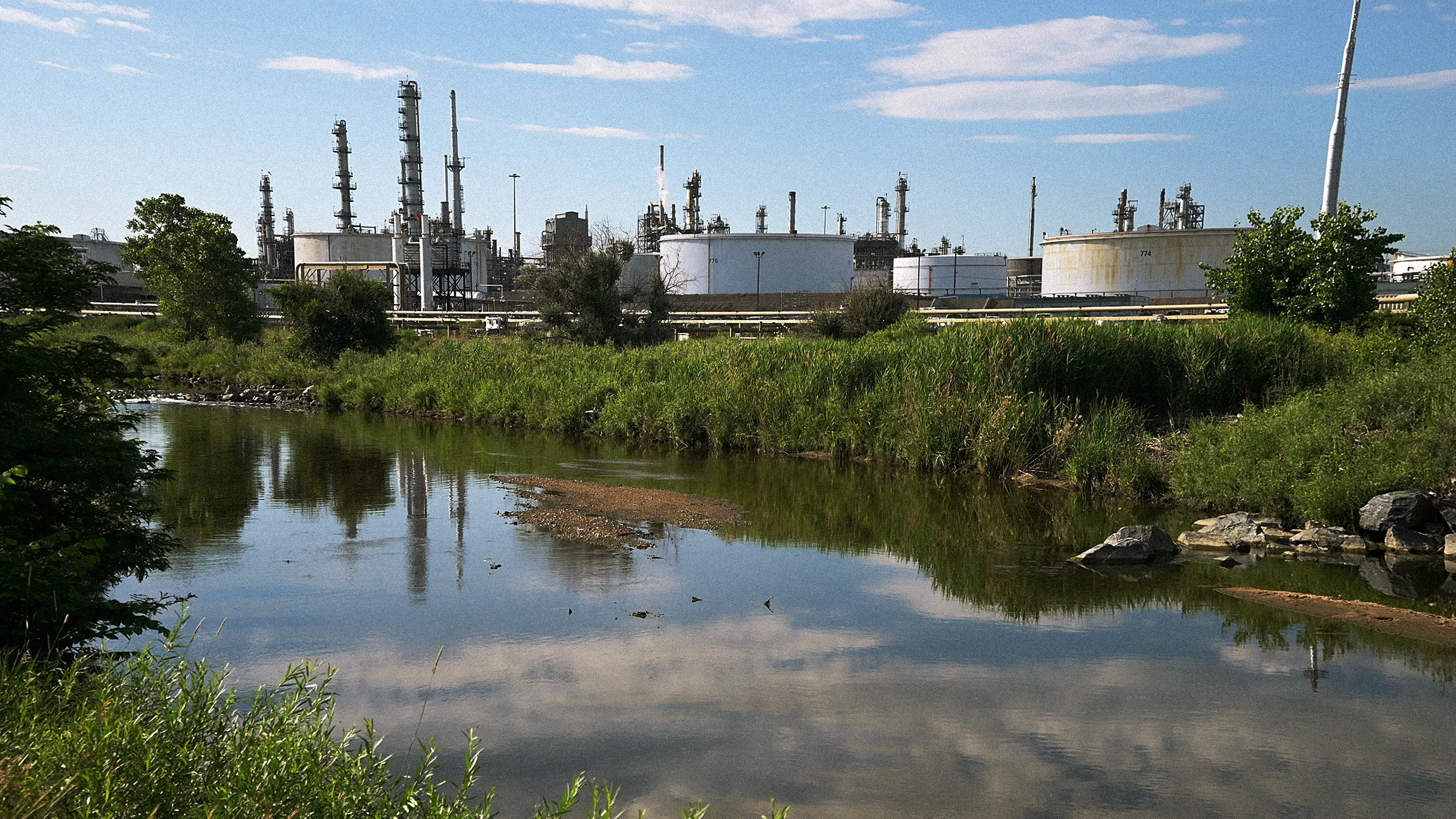
Climate science has been clear for decades: Since at least the 1950s, oil and gas companies have known that their fossil fuels release planet-warming carbon dioxide emissions into the atmosphere.
And we’ve known that those emissions cause dangerous planetary impacts like the melting of our ice caps, rising sea levels, and “potentially serious environmental damage worldwide,” as one 1968 study put it.
In the years since, experts learned even more about how climate change fuels extreme weather like storms, droughts, and heat waves.
Actually nailing down the direct link between one company’s emissions and the amount of warming the Earth has experienced, though, or how much climate change amped up the intensity of a particular storm, has been a more complicated calculus.
The effort to answer those questions is called attribution science. Though a more recent field than the extensive research on the harms of fossil fuels, it’s a burgeoning area of study that has seen significant scientific advancements over the past two decades.
And it’s an increasingly important field for those looking to hold fossil fuel companies accountable for climate damages.
This kind of research is essential to climate litigation, and even plays a part in the major climate case Suncor v. Boulder, for which the U.S. Supreme Court heard arguments this week.
That Big Oil is fighting it, experts say, is another example of their history of climate denial.
While research on the climate impact of burning fossil fuels began as early as the 1950s, the idea of “attribution,” or establishing a cause-and-effect connection, didn’t come until decades later.
Source link





