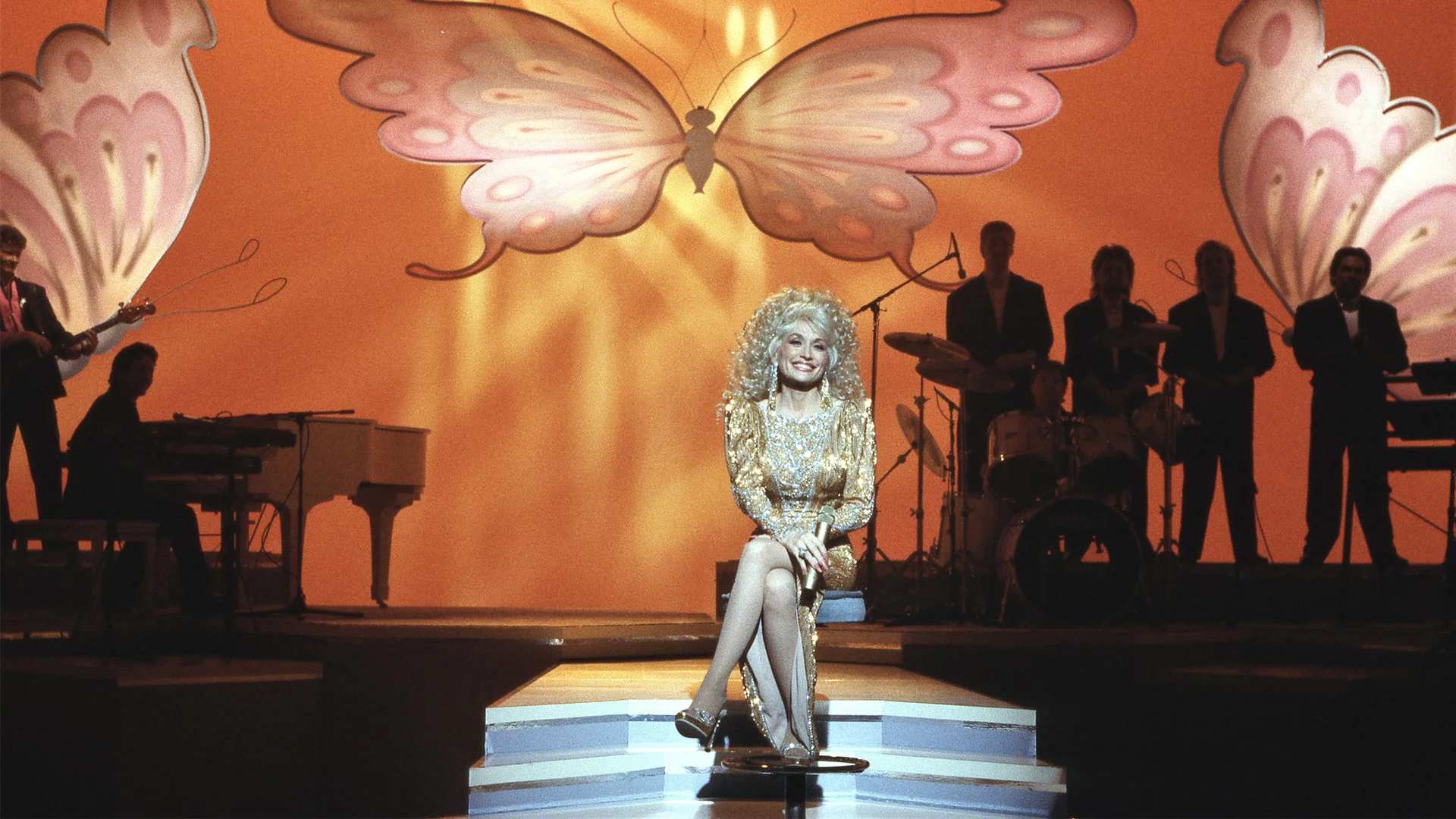
Dolly Parton’s nephew Bryan Seaver announced the legendary singer’s death on August 25, 2026, in a prerecorded video. Seaver, the son of one of Parton’s 11 siblings, had been her head of security for many years.
But Seaver is embroiled in a messy dispute with She’s Alive LLC, the company Parton established to manage her business assets after her death.
This acrimonious fight highlights some of the business succession problems that can arise when the founder of a company dies but wants its other leaders to keep it going.
Parton, the American singer, actress, entrepreneur, and philanthropist, left behind an estimated $450 million estate.
She’s Alive LLC terminated Seaver’s involvement with the business, and a court has issued a restraining order against him. Seaver is accused of engaging in “an obscene, deliberate and escalating campaign of threats” against Parton’s estate. He denies the allegations.
As professors who research and teach topics related to inheritance law, we are fascinated by the Parton case. It illustrates some of the pitfalls of planning for the transition of a privately held business after the founder’s death—a concern for celebrity and noncelebrity estates alike.
Following Dolly Parton’s death, there has been turmoil in her estate’s management involving her nephew Bryan Seaver.
Celebrity estates like Parton’s are distinct because they often contain valuable intellectual property. This includes copyrights, which protect creative works such as songs and recordings, including Parton’s catalog of hits. Another valuable asset in these estates is publicity rights , which protect the use of the celebrity’s name or likeness, such as the use of Parton’s face on a T-shirt sold for profit.
Source link