Two different solar guidelines share the same name, and it's easy to mix them up.
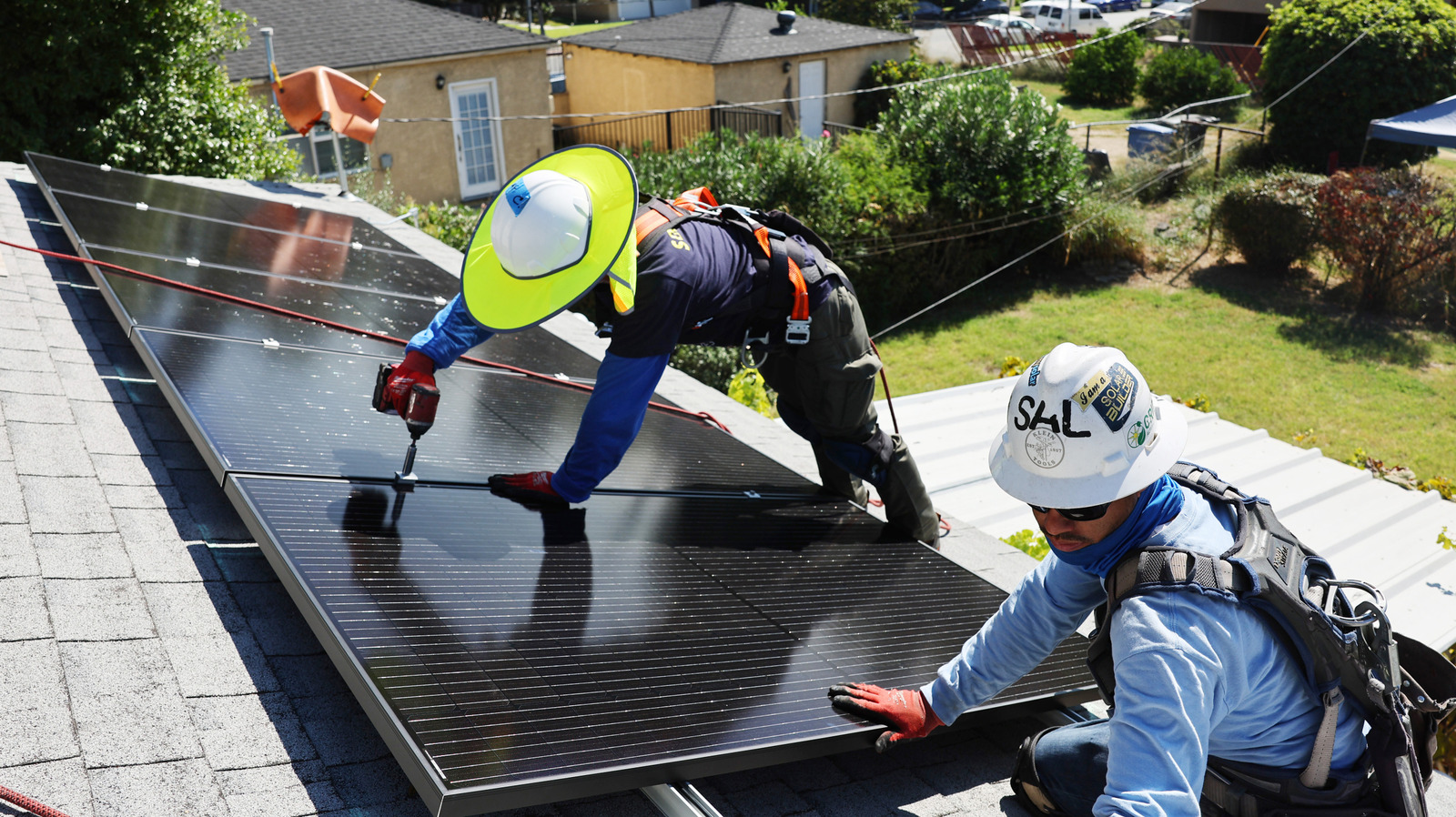
Rapid increases in energy costs mean many of us are thinking about investing in rooftop solar panels. While it's tempting to imagine how much solar power you can capture if you fill your roof with panels, the number you can install in the US is constrained by the need for fire safety access under the 33 percent rule.
The rule requires setbacks and access pathways so firefighters can reach the roof. Don't confuse it with the inverter sizing guideline, sometimes also called the 33 percent rule, which says a solar inverter can typically handle panels totaling up to 133 percent of its stated capacity.
Because the rule is applied through local building codes, what you can install in one town may not be permitted in another. So, what is the rule and what does it mean for your next installation?
The rule is defined by residential fire and building codes in the US, including the International Residential Code (IRC Section R324.6), NFPA (Section 11.12) and International Fire Code (Section 1204). In its simplest form, it means:
The rule doesn't stop you from covering more than 33 percent of your roof in panels, but it does force you to take fire access into account. Some roof layouts can still support extensive coverage with the rules applied, though if you have dormer windows you'll need to add a clearance zone around them too. The idea is that if there's a rooftop fire, firefighters can safely get onto your roof to fight it.
Source link