
The first USB flash drives held 8MB; today's biggest hard drives hold 44TB.
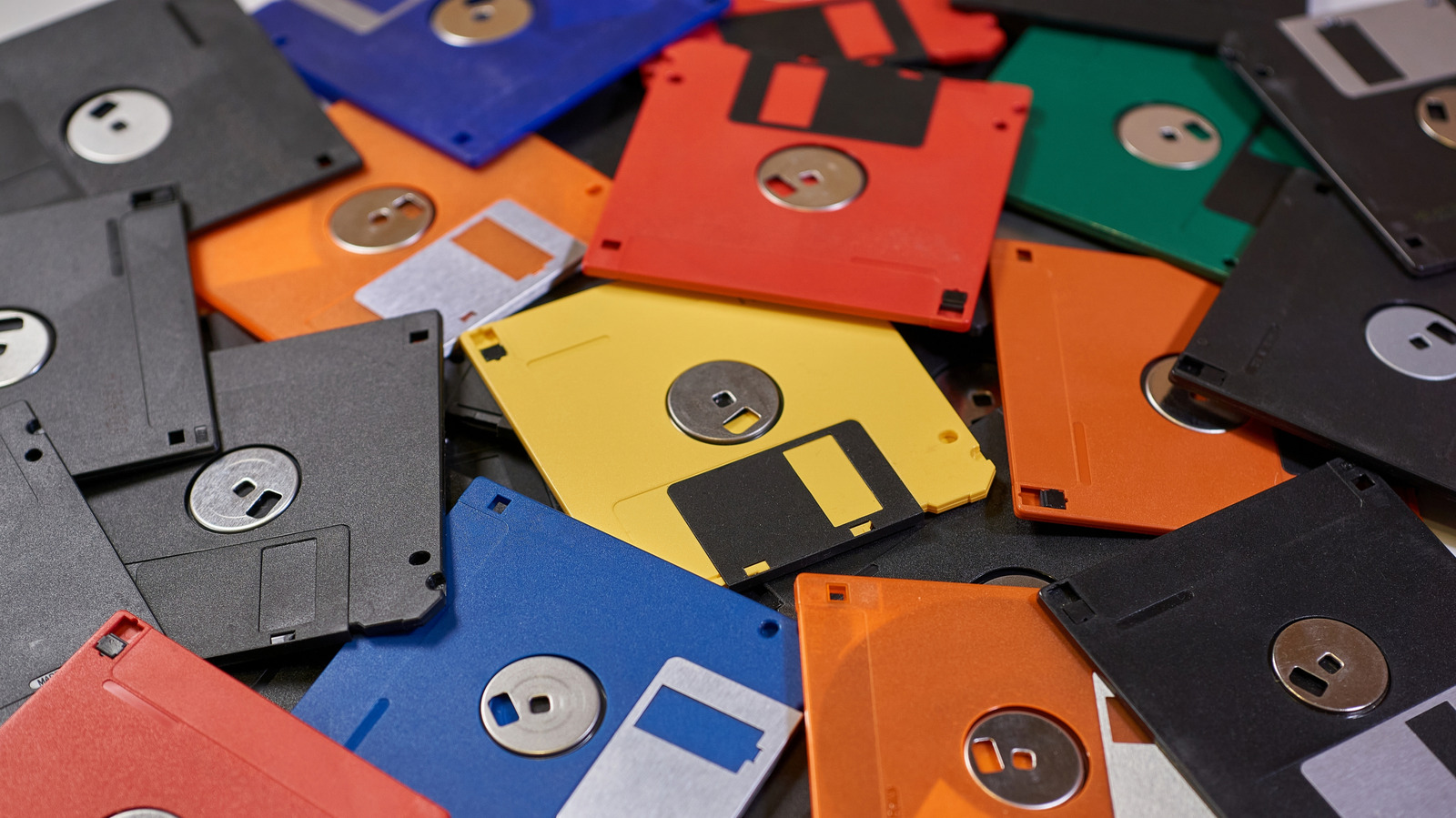
Cast your mind back 25 years to 2001. You've just finished writing a school essay, or crafting a playlist of freshly ripped MP3s, and now you've got to get it off the family PC. There's a large beige tower humming away under the desk and a box of floppy disks in the drawer — or, if your household was particularly techy, a spindle of blank CDs. If whatever you wanted to pull from the PC was bigger than 1.44MB, the floppy disk was out.
Back then, storage was something you could hold, label and lose by dropping it down the back of the desk. On-device storage was also a premium commodity, with an entry-level PC having a hard drive capacity of 10GB or so. Today, the largest consumer hard drives top out at around 24TB to 30TB, while commercial ones go as high as 44TB and consumer SSDs reach around 8TB.
Nowadays, though, most of our data sits on those commercial hard drives in a data center we'll never see. And after years of getting cheaper, all that space has started getting more expensive.
In the early 2000s, hard disk manufacturers were quoting less than $60 for those 10GB drives, or about $6 per gigabyte. 5-inch floppy, a format that's got so much nostalgia behind it that one YouTuber created a floppy from scratch . And as you've likely noticed, the floppy is still used as the "save" icon in many programs today.
Source link





