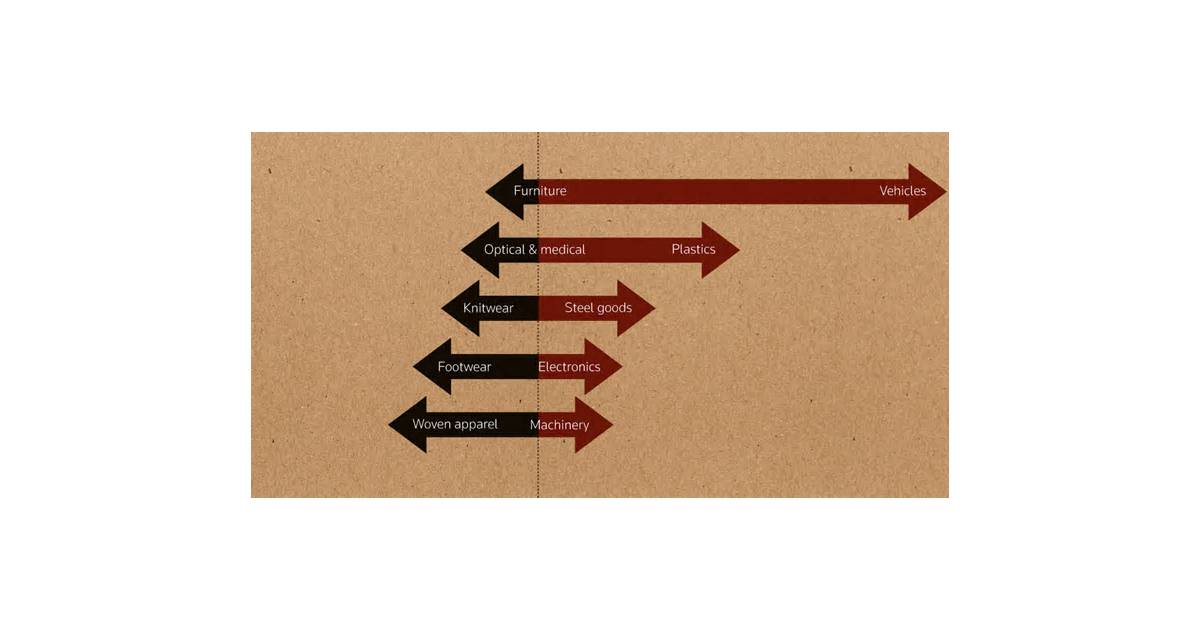
Change in the value of China’s ten biggest export categories in 2015, a decade later, adjusted for inflation
For years “Made in China” meant cheap t-shirts and plastic toys. Today it also means your electric SUV.
A new wave of Chinese exports is rewriting what it means to be made in China. Textiles, furniture and cheap electronics are being joined by a new generation of high-tech, high-quality products once associated with Japan, Europe or the United States.
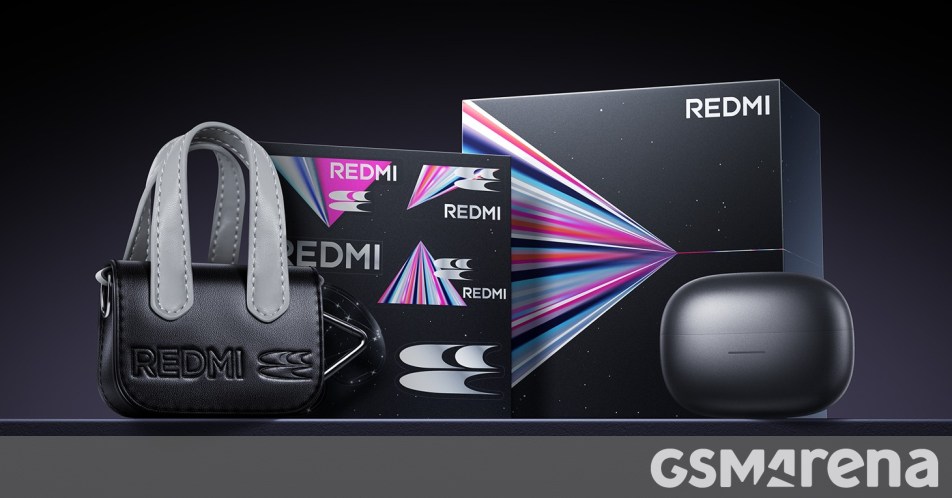
Autos are the most visible, and a high-profile source of tension between the world’s second-largest economy and its trading partners. China now sells more cars abroad than Germany and the United States combined. Exports are also surging for complex machinery, high-end chemicals and data centre equipment. At the same time, exports of longstanding “Made in China” goods like shoes, toys and furniture have declined or stagnated.
The new export wave is the product of a 10-year-plus state-backed push to move China up the global manufacturing value chain.
China’s factories are booming, buoyed by generous government subsidies aimed at keeping the economy ticking over until policymakers resolve a long-running property crisis and consumers, whose wealth is tied up in housing, feel confident about spending again.
For millions of people around the world, that means cheap, modern and desirable products. But if they work in U.S. or German factories that are struggling to compete, their jobs may be at risk.
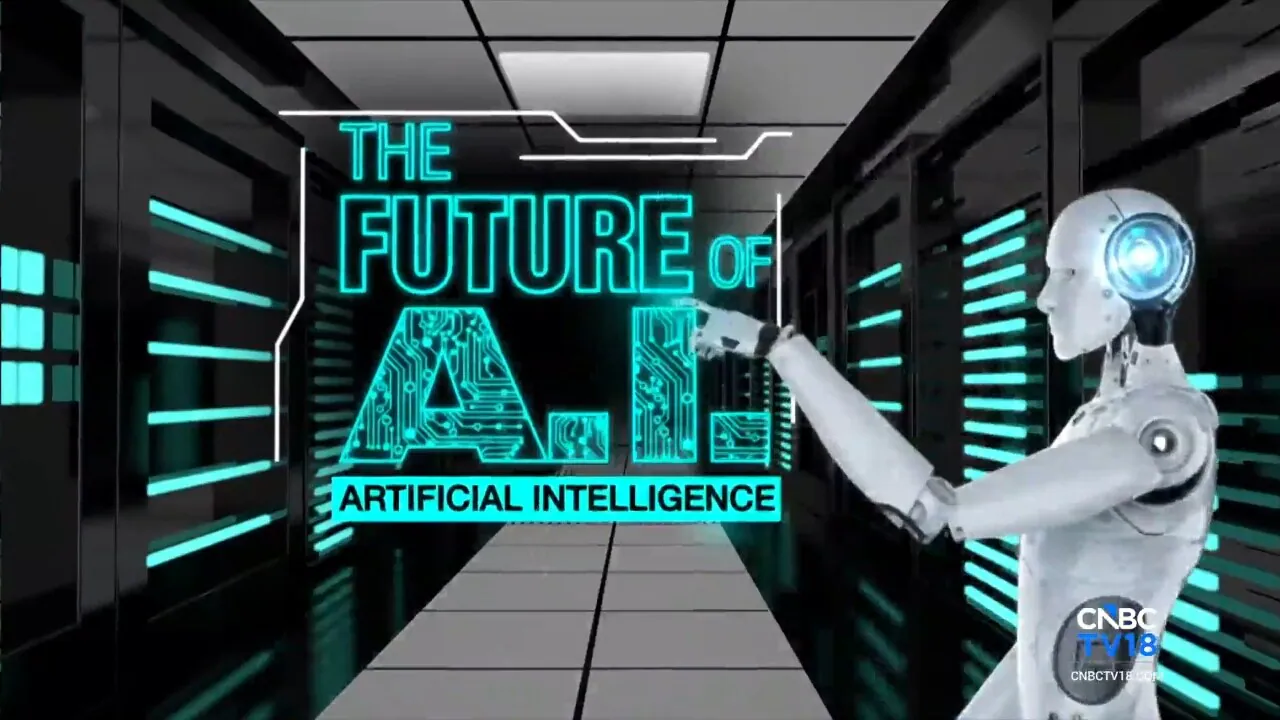
The development of AI has set off a new arms race between China and the US.
Source link