When it comes to video games, second impressions matter almost as much as the first. There’ve been many major franchises with decent beginnings whose immediate sequels helped those franchises take off and feel like the developers’ fuller vision. Examples are plentiful, but one of the most interesting is Watch Dogs, Ubisoft’s spin on Grand Theft Auto with the core mechanic of hacking anything or anyone through your phone.
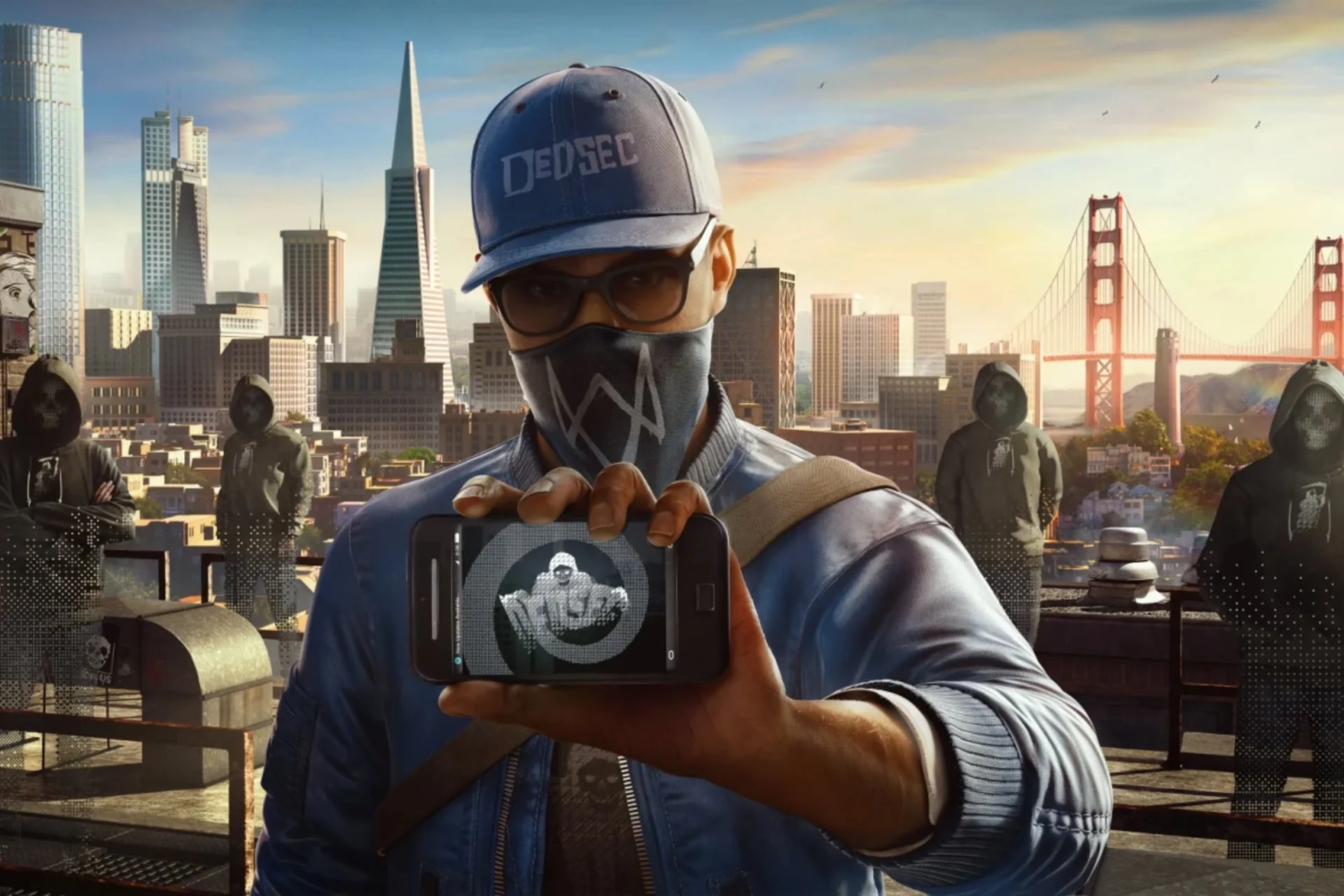
That first game didn’t fully live up to its potential in 2014, but it sold well enough to warrant a followup in Watch Dogs 2. Released for PC, Xbox One, and PlayStation 4 on November 15, 2016, the sequel remains the short-lived series’ most definitive entry, largely thanks to the world changing around it. As the game opens, San Francisco hacker Marcus Holloway has joined the local hacktivist group DedSec, who aim to reveal the harms within the ctOS computing network recently adopted by the city. And how do you make the masses aware of the tech sector’s increasing corruption? With one viral social media campaign after another.
In practice, this isn’t anything groundbreaking—you gain followers from doing missions and activities, and never do anything to lose them—but the framework makes the game immediately stand out from its predecessor. Put bluntly, the DedSec crew is continually, joyously shitposting to make San Franciscans woke, with main missions often ending on DedSec telling viewers to “do what you will” with the secrets that’ve just been disclosed to them. These include Marcus stealing a high-tech car from a movie set and helping its lead actor get out of a religious cult, exposing shady tech practices, or embarrassing a pharmaceutical CEO looking to own the single copy of a musician’s upcoming album .
Source link