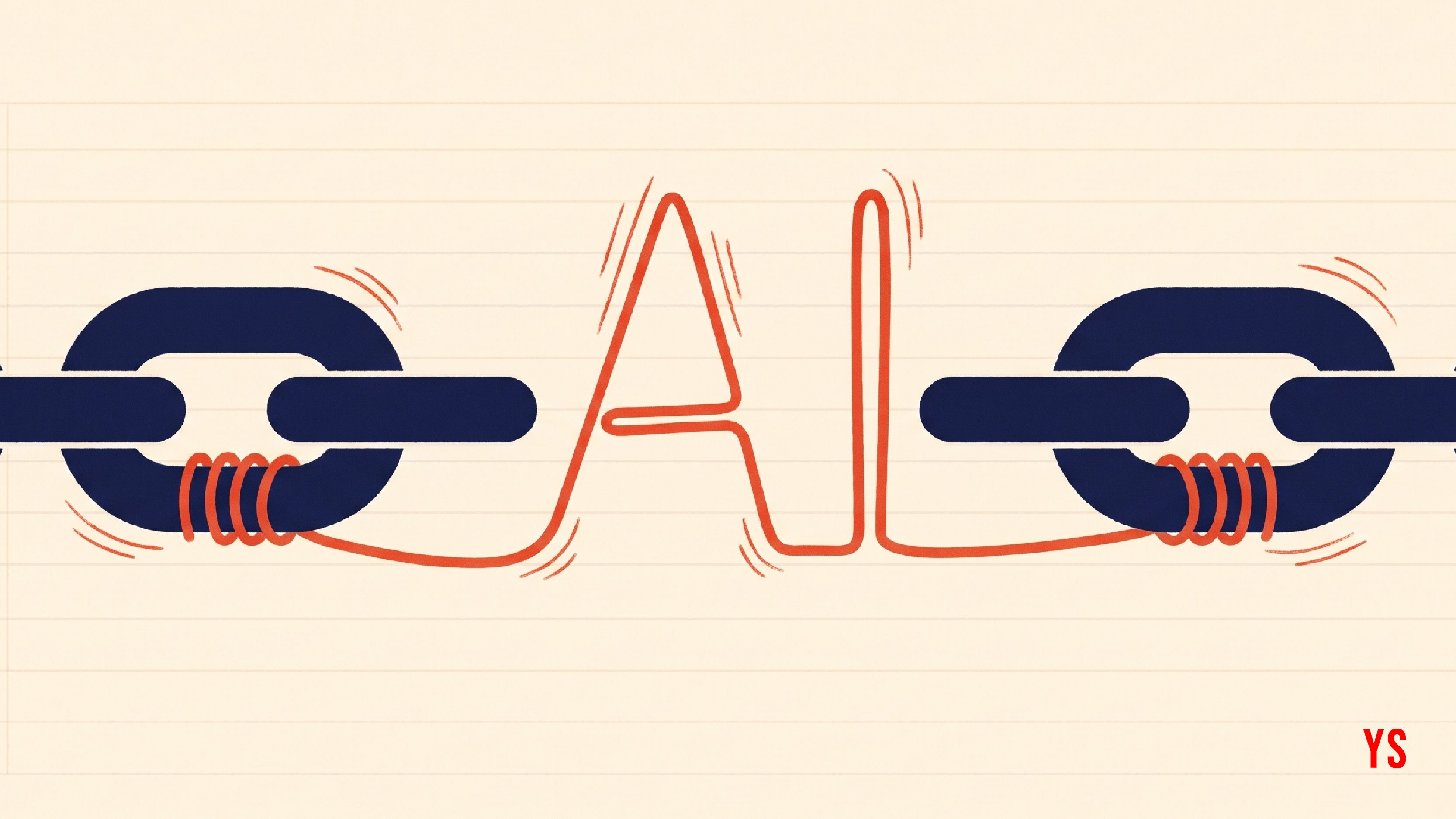
A bank has an AI system in place to flag suspicious transactions and take the call to freeze accounts. While the workflow has a human sign-off in place, clearing around 400 cases a day has resulted in the approval system becoming a formality. So, when a wrongly-frozen account takes the system to court, the bank becomes unable to prove what the human actually reviewed. This, unfortunately, is no longer a hypothetical scenario.
On July 2, 2026, the Supreme Court of India quashed orders passed by the National Company Law Tribunal and the National Company Law Appellate Tribunal in the Pooja Ramesh Singh v. Jammu and Kashmir Bank Ltd. case. The orders had rested on citations generated by an AI tool and attributed to the Supreme Court itself. This directed the Bar Council of India to constitute a committee to prescribe disciplinary norms for advocates who file AI-generated citations.
This is a business story as much as a legal one. Despite two tribunals and several rounds of proceedings, the parties had to carry the cost of a machine error that no human caught before filing. No AI statute was required to reach that outcome. Ordinary law, applied by judges, did the work.
For most Indian companies, the sharper edge is coming from sectoral regulators rather than from the bench.
In early June this year, the Reserve Bank of India gave banks and other regulated entities until June 30 to submit gap assessments on frontier-AI cyber risk. Instead of having the CISO to file the note, the RBI had asked the board to sign one.
Source link