

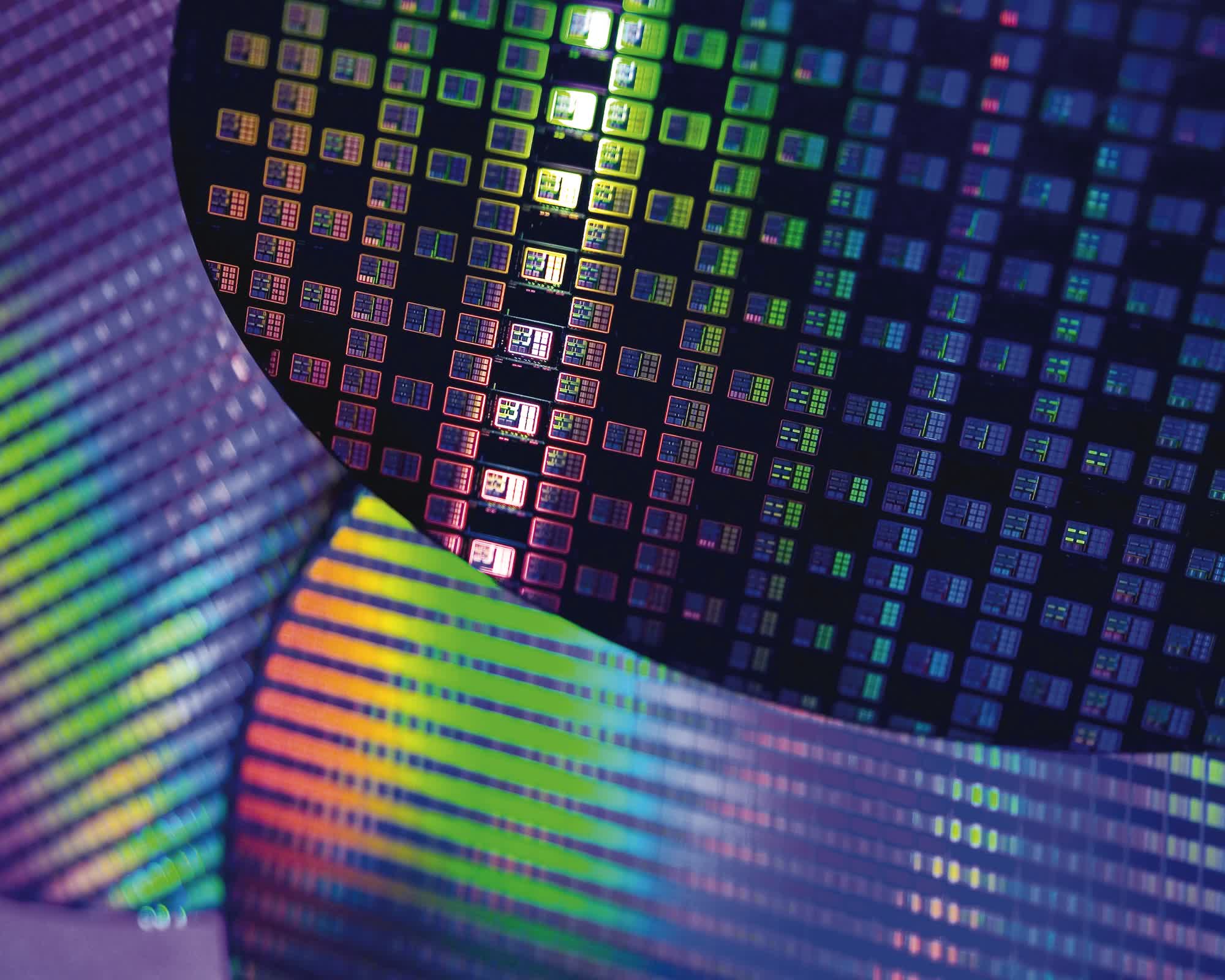
Bottom line: Chip designers that rely on TSMC and other contract manufacturers are being told to expect wafer prices 10% to more than 20% higher in 2027. In addition, a large order may no longer be enough to secure production capacity at the Taiwanese giant, as the company is reportedly reviewing customers' finances and asking for cash on orders that exceed a set credit limit. Together, the two changes make chips more expensive to build and alter who gets to build them first.
Taiwanese IC design firms have started receiving notices of the increases, with the higher foundry costs expected to take effect in the first quarter of 2027. If design houses cannot pass them on, their gross margins could drop by 4 to 5 percentage points.
Finished products take time to move through the supply chain, so the higher costs should show up in shipments around March or April. Companies are trying to settle new prices with their own customers before April so they do not have to absorb the difference.
The pressure goes well beyond TSMC. TrendForce, which forecasts foundry price increases of 5% to 20% next year, points to rising manufacturing costs and capacity kept tight by AI and server demand. The research firm expects the sharpest increases for 8-inch wafers, while 12-inch pricing will vary by process node.
Chinese foundries show the same pattern. That's according to TrendForce, which says that Hua Hong and Nexchip are running at high utilization, with some 8-inch capacity fully booked, and Nexchip customers have already accepted higher prices for the first half of 2027.
Source link





