Following President Trump’s lead, the Republican Party has been developing close ties with Silicon Valley, insisting the United States must remain the global leader in artificial intelligence—no matter the cost. Tuesday’s midterms were a thunderous affirmation of what numerous polls leading up to election season had already begun to suggest: Americans just aren’t all that thrilled about AI. Not enough to justify the construction of new data centers in their backyards, anyway.
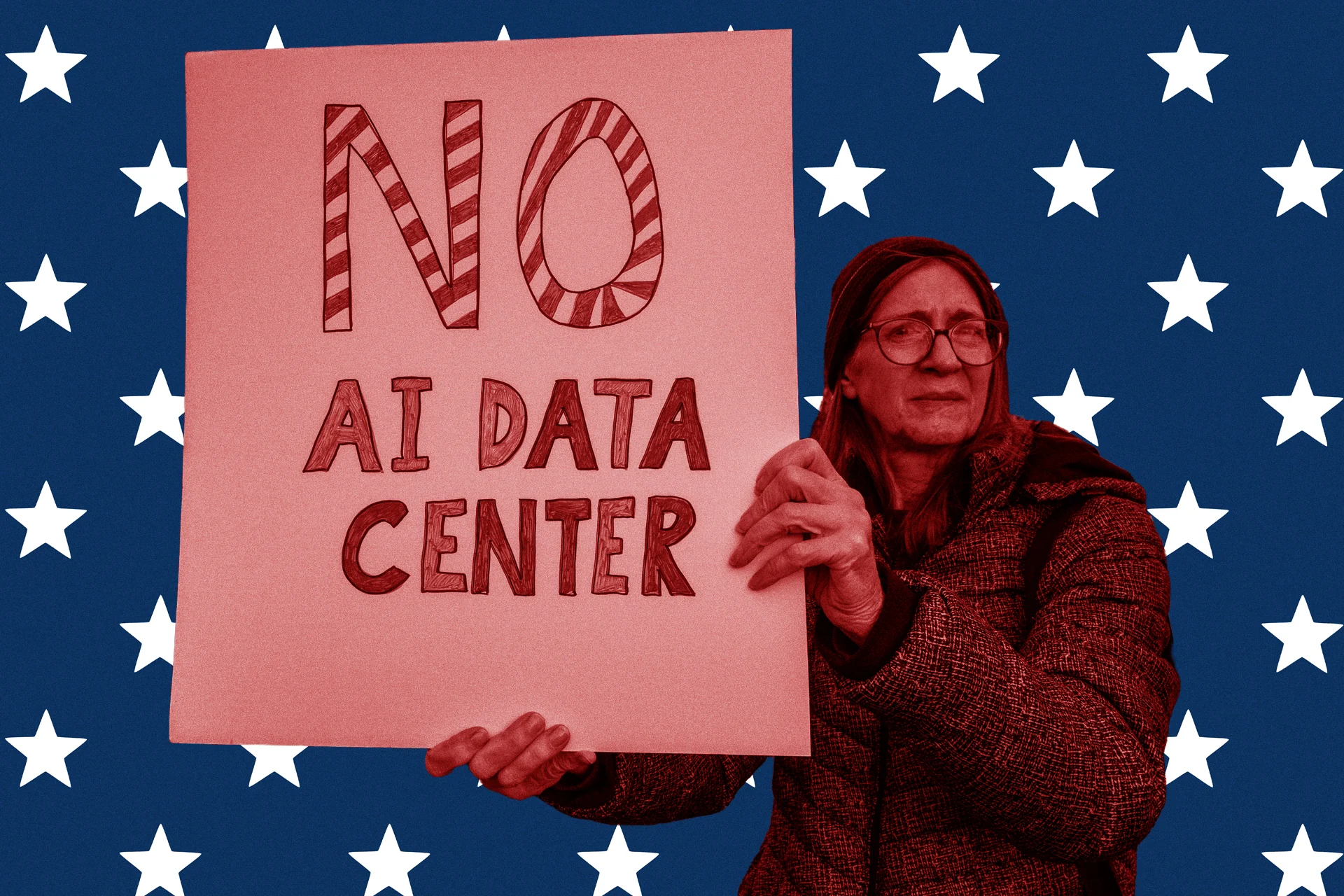
The massive campuses where AI chips are housed and operated were a decisive factor in Tuesday’s nationwide rebuke of the tech industry and its Republican allies. For months, they’ve become an increasingly politically radioactive symbol of the AI boom: A survey conducted in June by Reuters and market research firm Ipsos found that just 14% of Americans would support a data center being built near them.
There were a total of forty-one data center-related measures on the ballot across the country, more than half of which were being decided in Ohio—a major national hub for data centers and a state that voted for Trump in both 2020 and 2024. At the time of this writing, the response from Americans was the same across the board: a resounding No to data centers.
Seven municipalities passed measures to permanently ban new data centers, while ten others voted to limit the facilities’ construction to a particular size or electrical footprint. Voters in (the aptly named) Defiance, Ohio passed a measure (63% to 37%) prohibiting the construction of new data centers requiring more than 25 megawatts of electricity.
Source link