AI agents tend to look good in a pilot. The scope is narrow, the data is controlled, and the questions are predictable. Production is different, and that gap is where many projects stall.
Gartner predicts that over 40% of agentic AI projects will be cancelled by the end of 2027, due to escalating costs, unclear business value, or inadequate risk controls. For Nitin Waghulde, Regional Director, APAC at VeloDB, a large part of the problem sits below the model, in the data layer.
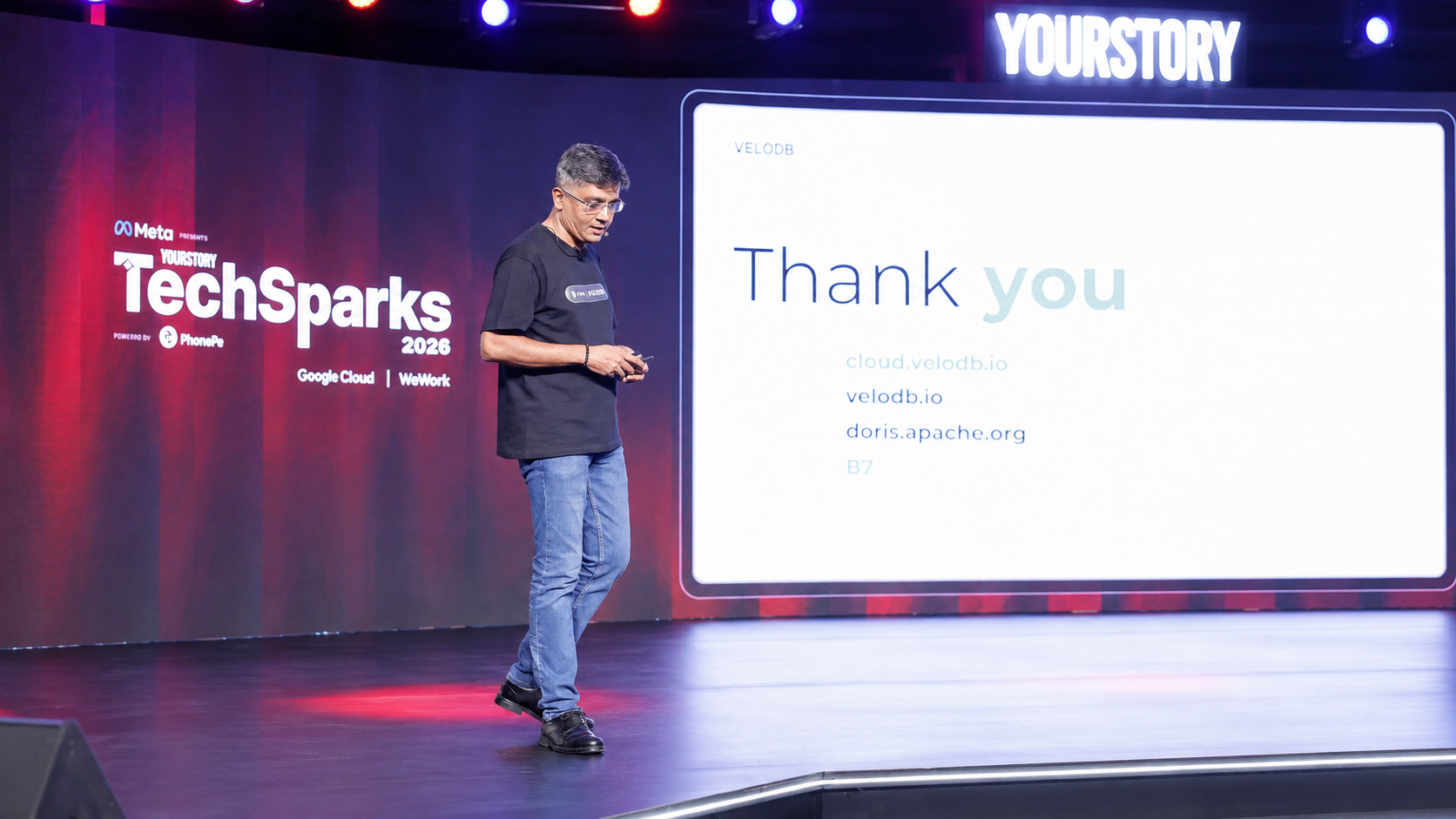
In a keynote titled ‘AI agents at scale: Surviving beyond the demo’, Nitin explained how AI agents use data differently from people, what they need to work reliably at scale, and how companies are redesigning their data infrastructure to support them.
Nitin started his session with an example. In a traditional system, a business manager who wanted last year’s sales figure would run a ready-made report and get the number in one lookup.
Ask an AI agent why sales dropped over the last three quarters, and the work changes. The agent pulls order records from the ERP and CRM systems, scans support tickets and chats to check whether major customers have escalated problems, and reads sales team reports on territory dynamics. If its reasoning is incomplete, it goes back for more.
“What used to be completed in one simple lookup or one simple query, now you’re taking hundreds of lookups for the same thing,” he said.
In the past, people and reports were the main consumers of business data, and systems were built around fixed reports with clear boundaries.
Source link