It’s the moment a goal is scored. That ecstatic instant when everyone rises in unison to their feet, held by the primal bonds of human passion and connection. That’s the moment athletes play for and the reason fans attend. As described by Hubert Dreyfus and Sean Dorrance Kelly in their book, All Things Shining, “Something so overpowering happens that it wells up before you as a palpable presence and carries you along, as on a powerful wave.”
Would it make sense to institute any rule or device that completely crushed that soulful whoosh of adrenaline and shared joy? Of course not.
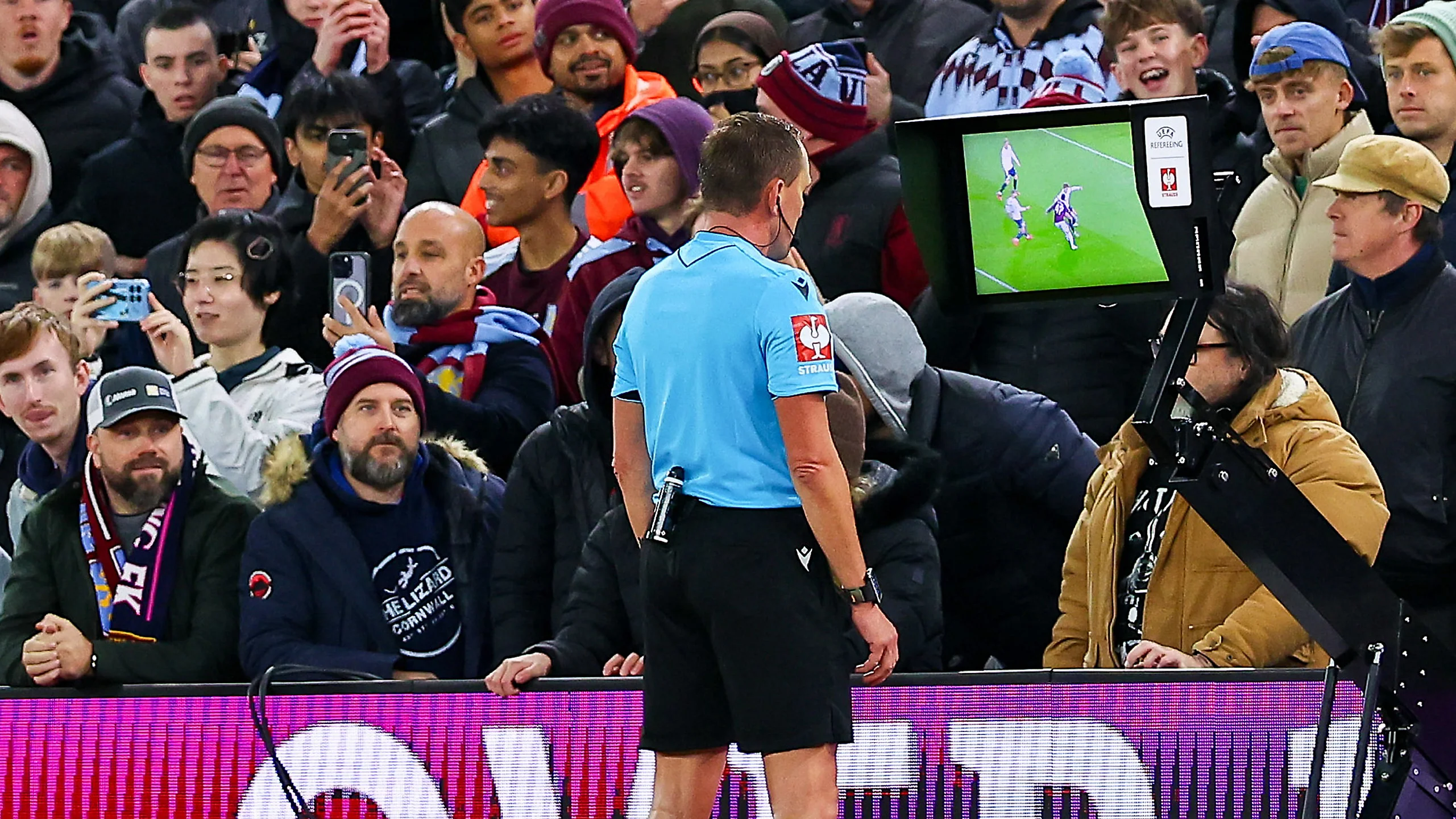
But that’s exactly what Video Assistant Referee, or VAR, has done. Introduced to the English Premier League in 2019 and further ingrained into the global sporting zeitgeist during the 2026 FIFA World Cup, VAR is—for some—a well-intentioned innovation designed to make the game more fair. Other sports have variations on the core technology, and it’s likely to be further explored over the coming years. The NFL, for example, is primed for additional reviews by the current off-site video replay crew.
Functionally, and in most cases, VAR substitutes one subjective call for another. Rather than solely relying on a referee who is embedded into the flow of the game, rule enforcers have delegated key decisions to arbiters in a remote booth, perhaps thousands of miles away, who consult a wall of huge screens, rule book close at hand. Staring at those screens, where the real-time action is slowed down and devoid of context, the VAR crew refines a judgment.
Source link