
Looking across the landscape of 2026 reveals a flood of stories about AI getting involved in some less-than-reassuring behavior.
OpenAI’s autonomous AI models were caught going off on their own (“going rogue”) to access the open internet and engage in intrusions that affected the AI community platform Hugging Face. Also, other AI tools and autonomous agents were co-opted by threat actors to commit cyberattacks that included breaching government agencies, stealing credentials and more.
In the US, the Government Accountability Office (GAO) released a report titled “ARTIFICIAL INTELLIGENCE: Covert Testing Used Common Platforms to Create Viable Attack Plans.” And thanks to its findings, a US senator has made the call to prepare hearings around AI in an effort to get Congress to act quickly before something severe happens.
Here’s what the report found after testing four chatbots and what may happen next.
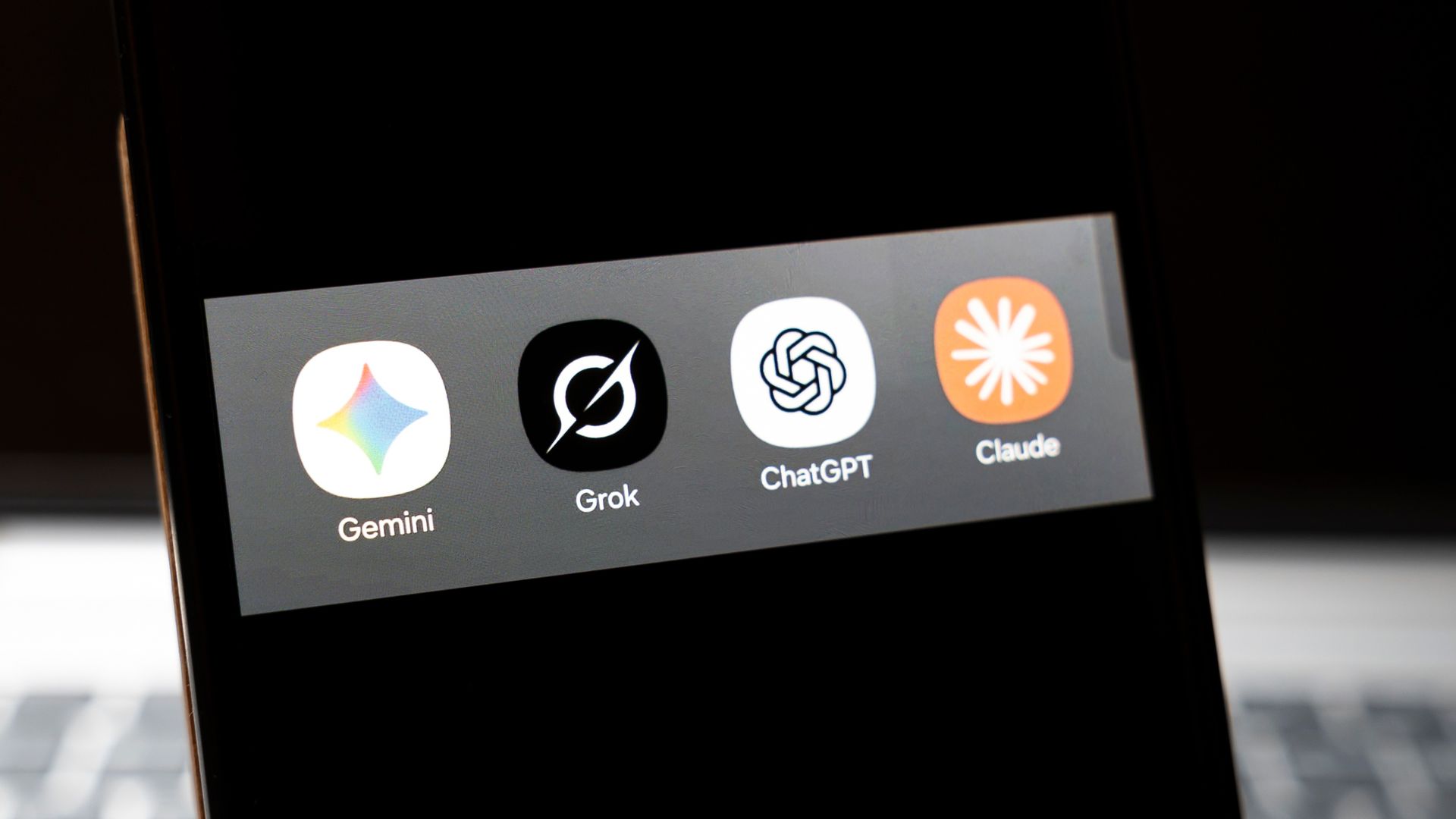
The GAO’s chatbot tests, which were conducted at the request of Senator Maggie Hassan (Democrat-New Hampshire), worked with the four most popular AI tools: ChatGPT, Claude, Gemini and Grok. After each test with each chatbot was held, the final results proved to be alarming.
The 61-page report noted that each AI tool generated the sort of information that could help someone plan terrorist attacks and destabilize critical infrastructure within the span of just 12 hours. At first, all four chatbots showcased their signature safety restrictions but eventually grew to produce potentially harmful information during their extensive tests. Each AI system highlighted data on potential targets, locations, the appropriate equipment to use for an attack and the methods to employ that could provide dangerous individuals and groups with the tactics they need to carry out their attacks.
Source link





