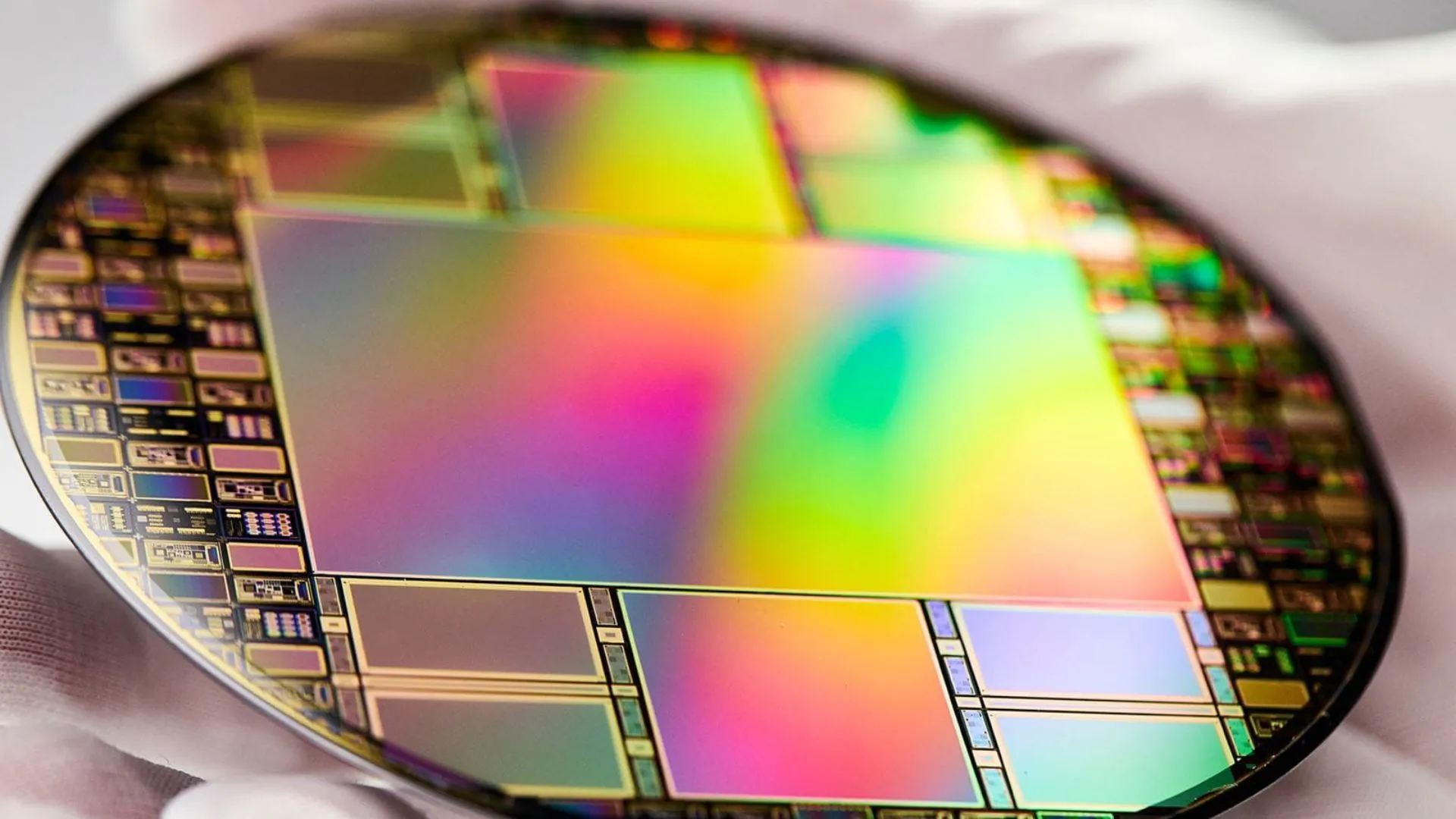
Raytheon is developing a new type of processor that could help US military systems recognize incoming threats faster. The technology uses light to handle data processing, potentially removing a major bottleneck in today’s electronic systems.
The defense contractor secured a Phase 1 award from the Defense Advanced Research Projects Agency (DARPA) for its work. The effort falls under DARPA’s Photonic Integrated Circuit Architectures for Scalable System Objectives (PICASSO) program. Its goal is to advance photonic circuits capable of processing information entirely through optical signals.
Most photonic circuits still rely on conventional electronics for important computing tasks. They first convert incoming optical signals into electrical signals before processing the information. That extra step can introduce delays and add complexity to increasingly sophisticated systems.
Raytheon’s proposed architecture aims to eliminate that conversion requirement. It will keep signal processing within the optical domain, using light throughout the operation. This approach could help preserve signal strength and information quality during processing.
The distinction matters as military platforms collect increasingly large volumes of sensor data. Radar systems, electronic warfare equipment, and other defense sensors must interpret information quickly. Even small processing delays can affect how operators respond to rapidly developing threats.
All-optical processing could eventually help military systems handle those demands with greater speed. It may also support more compact circuit designs as engineers increase processing capabilities. However, Raytheon’s Phase 1 effort will focus on developing and demonstrating the underlying technology.
Raytheon’s Advanced Technology division will lead the development work. The team brings experience in photonics manufacturing processes and radio frequency engineering.
Source link