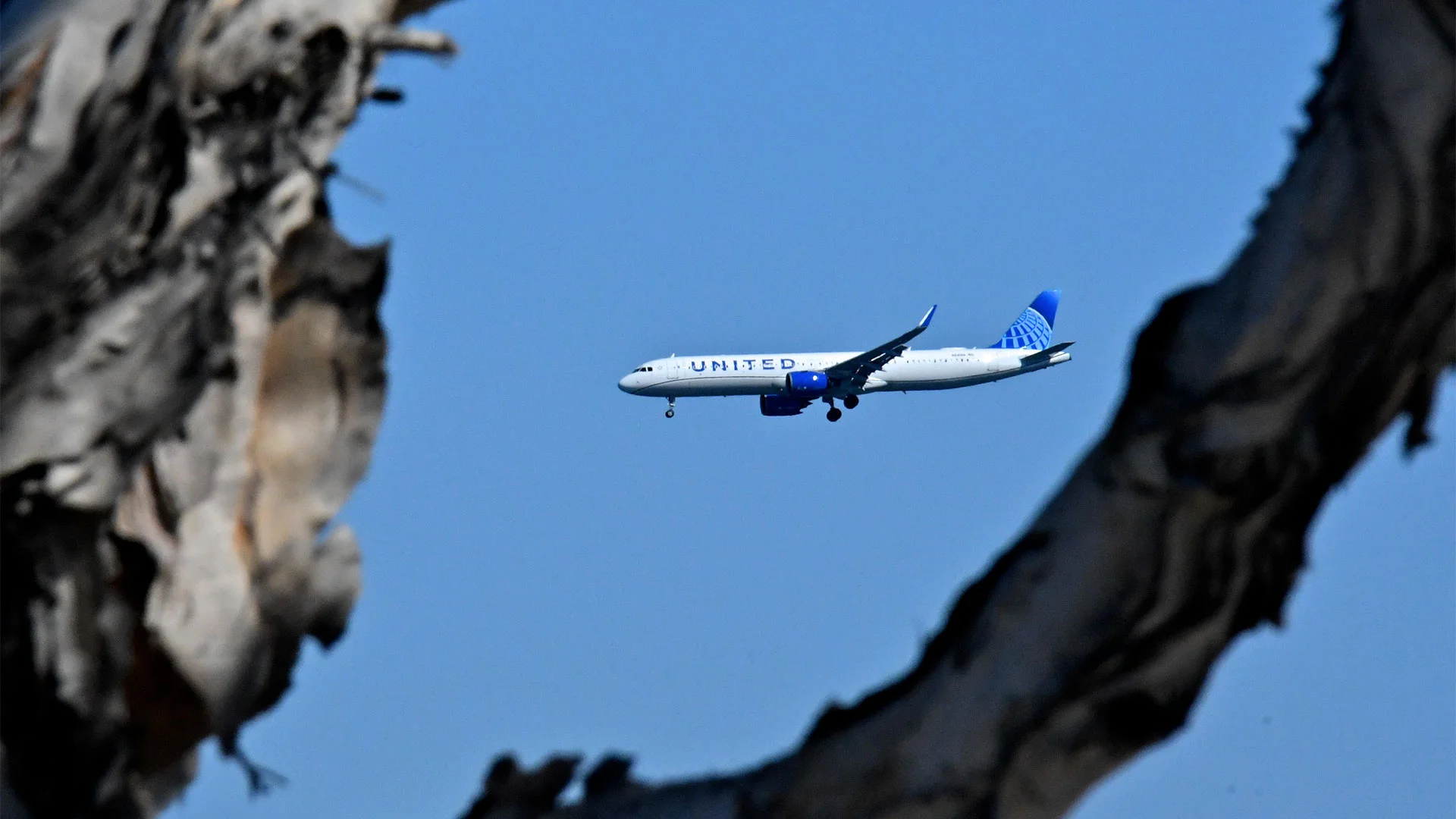
United Airlines is banning personal AI assistants from booking and modifying tickets on its system, a change that could see other airlines follow suit.
The Chicago-based carrier updated its contract of carriage on Wednesday, prohibiting the use of AI agents to “make, modify or service a ticket, and/or purchase any service or product.” The airline cited concerns that third-party, AI assistants can expose the sensitive information of passengers and that actions taken by these tools may result in unintended purchases or account changes, it said in a statement. United also noted that automated AI actions could potentially violate Federal Aviation Administration or Department of Transportation regulations—noting, for example, that flight check-in requires passengers to acknowledge that their bags don’t contain any banned items.
The carrier, it seems, may be taking its cue from other industries as it cited that corporate leaders of banks and retail companies have taken similar actions regarding AI agents. “We encourage others to consider measures that preserve the data and security of their customers and strengthen safety,” it said.
As is often the case for the industry, other airlines may follow in United’s path, though none of the other major U.S. carriers have similarly banned AI agents—yet. Just last month, Southwest Airlines announced a plugin partnership with ChatGPT to “offer a simpler, more direct path from inspiration and discovery to booking options” with the airline.
Here’s how the other major carriers are currently approaching AI tools for booking.
Source link