
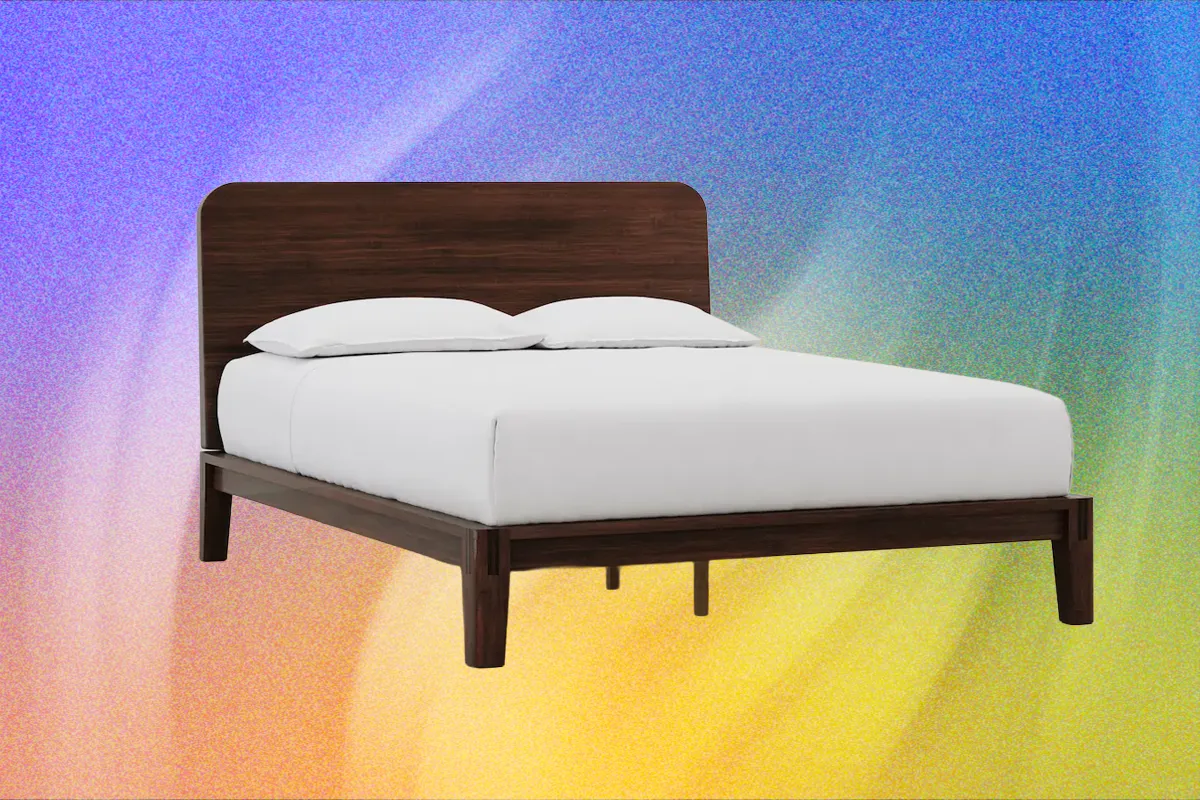
Japanese joinery bed frames are bolt-free beds made from notched wood pieces that slide and click together to make a stable frame. Think Jenga, but with really nice, sleek wooden furniture. The advantages are many, starting with easy assembly that takes just a few minutes and requires no tools.
Thuma is the leading brand in this space, and we love its product lineup—several members of the WIRED Reviews team have tested Thuma beds, and all rave about them. However, they’re not cheap. A Thuma bed frame starts at $895 for a twin frame with no headboard, and the king-sized Thuma signature bed our testers loved costs $2,500.
Japanese joinery is a traditional carpentry method that uses only wooden components. Instead of nailing boards together, each piece of wood is carved so it snugly fits into openings carved into neighboring pieces—the “joints,” if you will. The tension and strong hold of the interconnected pieces create structural integrity.
It’s a pretty easy way to channel your inner Bob the Builder, and the finished bed frame looks stunning in its simplicity. However, we are always on the lookout for products at the intersection of high quality and low price—curious to see if any contenders could give Thuma a run for its money—so we researched and tested, and these are our findings.
Be sure also to check out our guides on the best mattresses we’ve tested, as well as the best pillows and bedsheets . You’ll need something to put on your new frame, after all!
Source link





