
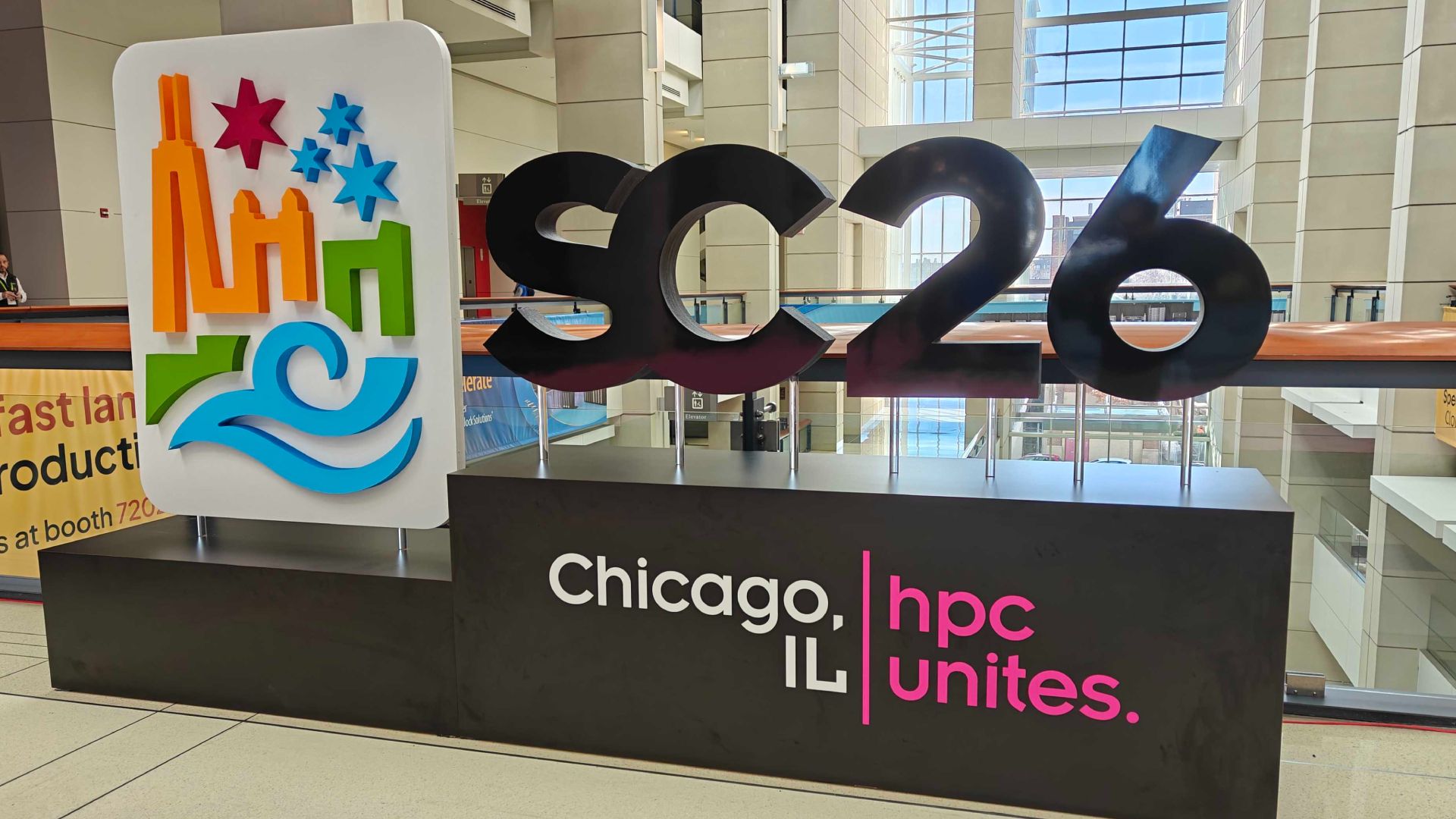
In case you're worried about missing out on all the goodness on Tom's Hardware Premium, we've rounded up everything that we've published this week right here. The main theme for this week has been coverage straight from the show floor at the annual Supercomputing conference (SC26). If you've not yet caught up, you've been missing out, as all of our coverage from the conference is currently free to access. All you need to do is sign up or log in to your Tom's Hardware account to enjoy all of our coverage from the show.
First up, our resident CPU boffin, Jake Roach, has been on the show floor all week, offering us a direct line to all the goings-on at the conference, including an interesting back-and-forth from Nvidia and AMD on their CPUs. AMD claims that its latest EPYC Venice lineup is the best at agentic workloads, while Nvidia's marketing material characterized Nvidia's Vera CPU as being purpose-built for Agentic AI. At SC26, Nvidia CPU chief Ian Finder rebuked Nvidia's own marketing material, stating that the idea that Nvidia could have predicted the Data Center moment was "absurd," instead saying that the company's design know-how helped them develop the processor.
In this interview, we sit down with Finder to find out how Vera came to be, what agentic workloads mean for the CPU industry, and where Nvidia's headed next.
Nvidia's Vera CPU was a hot topic at SC26, as the company explained that existing software cannot always take full advantage of the processor without architecture-specific optimization.
Source link





