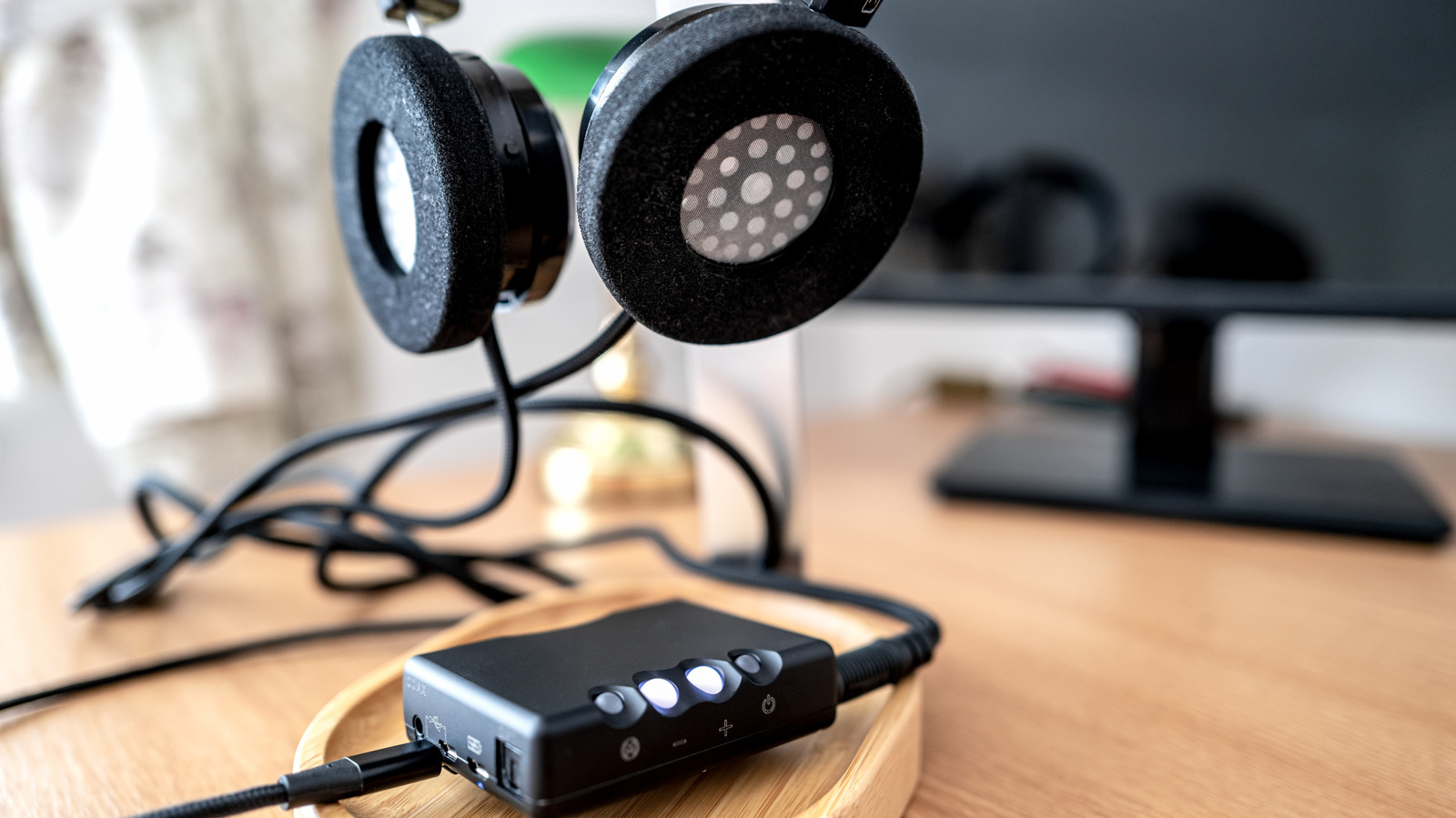
An external DAC is a must-have if you want the best possible audio from your smartphone.
Audio streaming services have started meeting the needs of audiophiles everywhere by adding advanced features like Dolby Atmos and lossless audio. In 2025, Spotify joined Apple Music, Tidal, Qobuz and Amazon Music in offering Hi-Res audio streaming, ensuring CD-quality audio or better from your phone. However, that's only half the equation, and the onus is on listeners to ensure their audio setups are up to snuff.
If you want lossless audio, the first thing any audiophile will tell you is to ditch the earbuds. Wireless headphones use Bluetooth to connect to your phone, which operates on the busy 2.4GHz frequency band that Wi-Fi routers and other smart devices use. Bluetooth uses compression algorithms to reduce its bandwidth needs, so you usually won't get lossless audio unless your source and headphones support aptX Lossless. So, if you're interested in lossless and hi-res audio, a pair of wired headphones is your best bet.
However, switching to wired headphones is only part of the solution. Almost all smartphone manufacturers have ditched the 3.5mm headphone jack, requiring listeners to have an external digital-to-analog converter (DAC) to connect wired headphones. Let's take a deeper look at how DACs transform digital signals into analog ones your headphones can reproduce and what you need to know when buying one.
At its most basic, a DAC translates a digital audio signal, which is stored as 1s and 0s, into an approximation of its original analog signal.
Source link