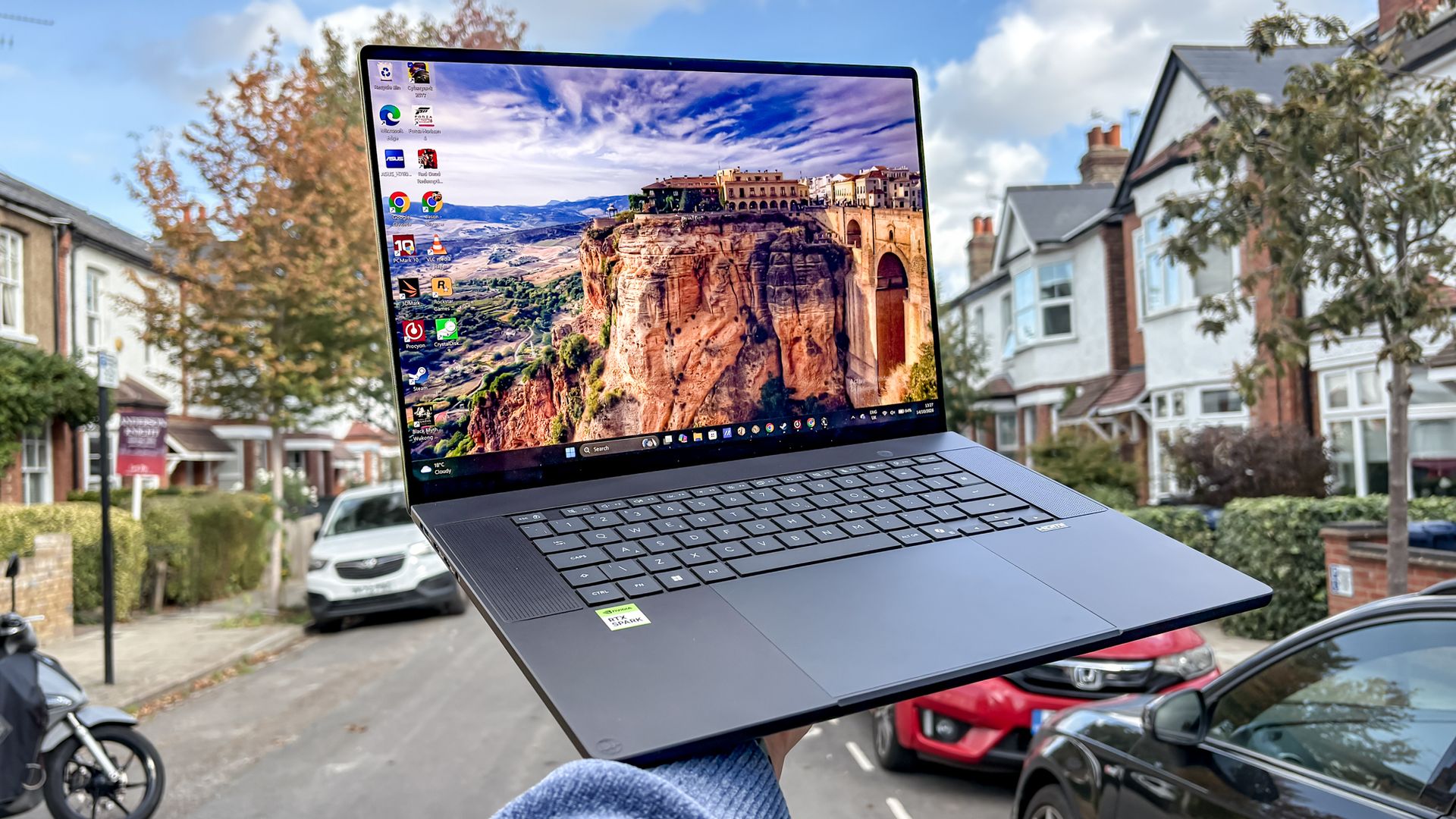
Nvidia and Microsoft just introduced a new laptop category: the RTX Spark platform. While the best laptops are designed for productivity or gaming, these new notebooks give creators and AI coders powerful machines that let them work on the go.
The promise of offline AI work will certainly appeal to some customers, but it also makes RTX Spark laptops a relatively niche offering. That was my main takeaway from testing the HP OmniBook Ultra 16. While impressive, it’s too overpowered for everyday work and relatively underpowered for gaming. Due to that, RTX Spark laptops might struggle to compete with their more popular direct competitor, high-end MacBook Pros.
To better understand who these machines are actually for, I reached out to Tom Mainelli, Group Vice President of Device & Consumer Research at IDC, for his take on where RTX Spark fits right now and where it might go from here.
RTX Spark laptops target a narrow group: AI developers, content creators, and early adopters. These are premium notebooks built for people who already understand what the platform offers and why the price is what it is.
“These are outside the budget and needs of mainstream users, for now.”
“These are outside the budget and needs of mainstream users, for now,” Mainelli said. At the same time, he sees them as a preview of where the PC industry is headed. The various configurations support different workloads, but the overall pitch is the same: a high-end Windows machine that can handle local AI work in a way previous laptops couldn’t.
Source link