In February 2007, the hulking dual-rotor casualty evacuation helicopter had just flown three wounded soldiers to a field hospital in Balad, north of Baghdad, when another call came: an emergency mission to fly through an insurgent-controlled area in broad daylight. Typically, helicopters would be in a spot like this only at night, and with all lights turned off.
As it passed near the city of Karmah, in the eastern side of Al-Anbar province, an insurgent fired a portable missile launcher. The tail gunner, who likely saw the shot roaring in, yelled for the pilot to make an evasive move. But the missile had already locked on, and the ensuing blast started a fire on board. After the pilot battled the failing machine for 58 agonizing seconds, Morphine 1-2 plunged to the ground. All seven crew members were killed.
Why was the helo there in daylight? “It was getting blood and bringing it back. It was [on] what we call a ‘blood run,’ and [it’s] the highest of priorities besides casualty evacuation,” explains Lieutenant Commander Robert Murray, a Navy officer and program manager at DARPA, the Defense Advanced Research Projects Agency, who studied this incident as an intelligence officer.
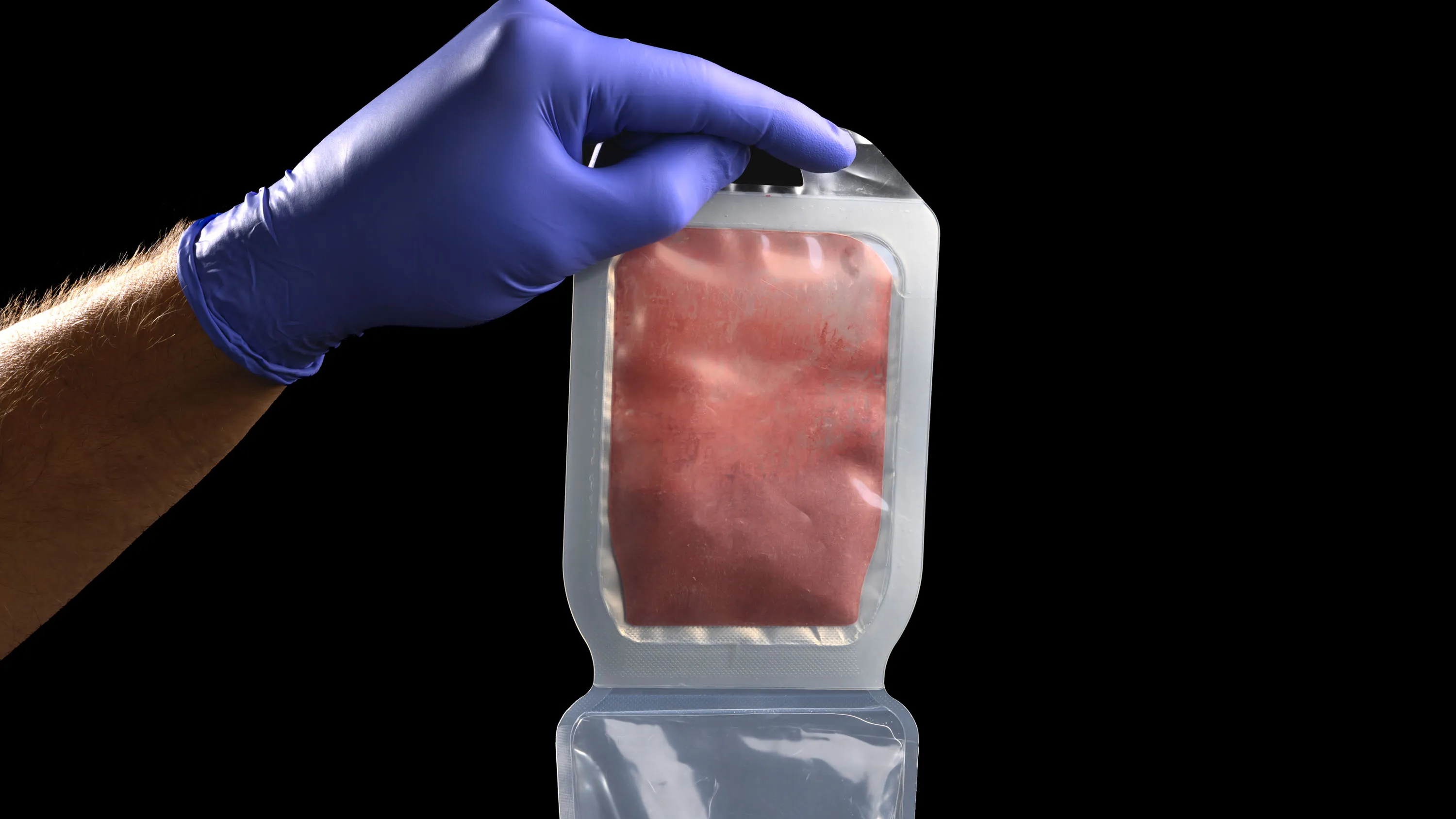
Today, a chronic shortage of blood in both the military and civilian worlds is fueling a race to develop synthetic alternatives. About 90% of preventable battlefield deaths are due to hemorrhage—bleeding that happens when a blood vessel ruptures—and it’s the leading cause of maternal deaths worldwide. 2 million trauma patients in the United States who potentially needed blood before reaching a hospital, just 1% received it.
Source link