The US-China AI race hit something akin to a Cold War milestone
The US and China are considering an AI hotline, similar to the 1963 Moscow-Washington nuclear hotline, to prevent AI-related catastrophes. Both nations fear falling behind in AI, but recognize shared
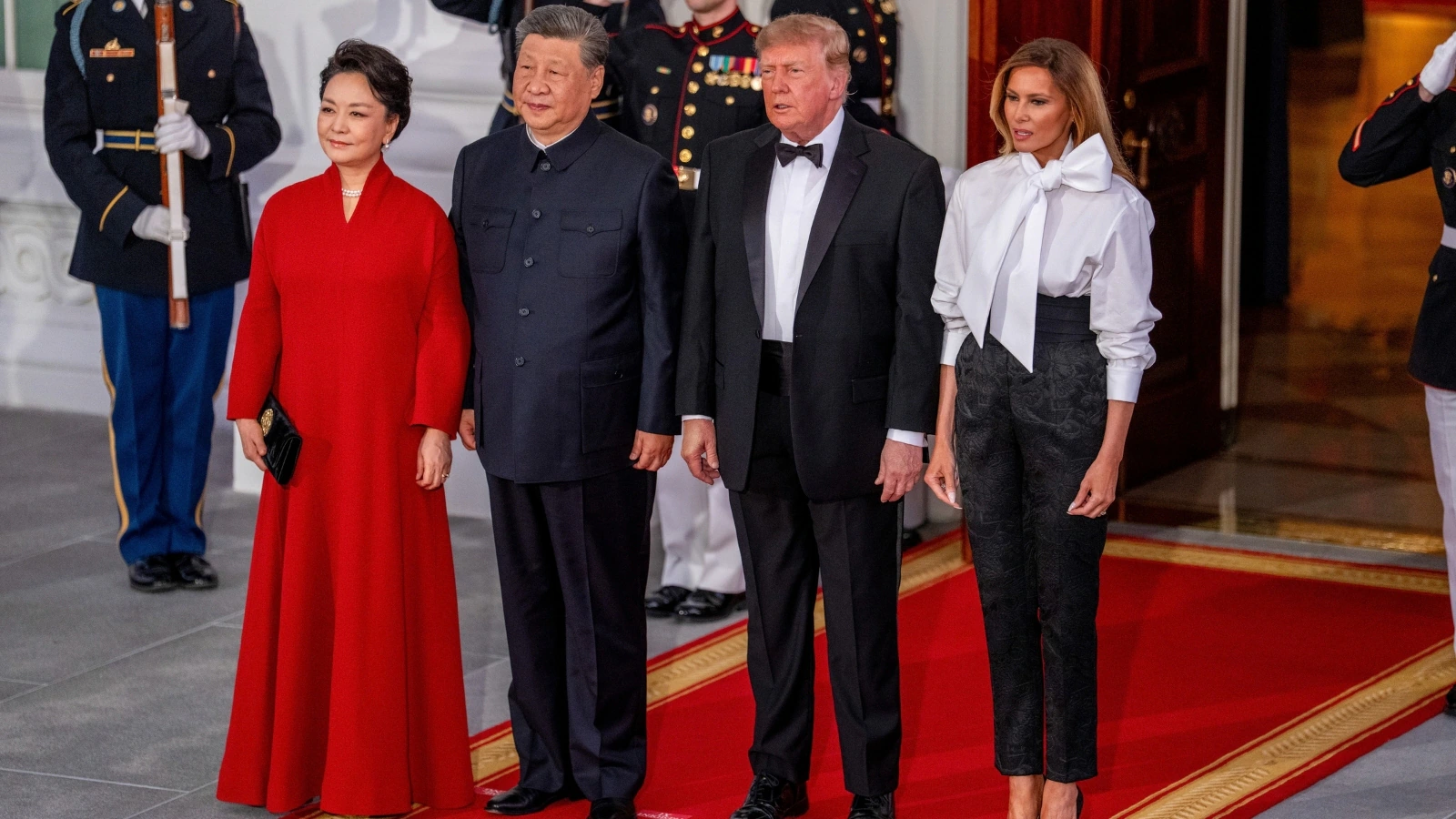
After staring into the abyss of nuclear war in 1962, Washington, D.C and Moscow realised that winning a rivalry mattered less than preventing a catastrophe caused by misunderstanding, accident, or loss of control. That insight led to the Moscow-Washington nuclear hotline in 1963. Today, the emerging US-China AI dialogue appears motivated by a similar logic. Ahead of and during the September 2026 summit between Presidents Donald Trump and Xi Jinping, officials discussed a notification mechanism, safety cooperation, and even a hotline for serious incidents emerging from artificial intelligence (AI). Intense competition sans catastrophe
The US and the Soviet Union did not become friends after establishing the nuclear hotline. In fact, they continued to compete globally, saw each other as a threat, expanded military capabilities, fought proxy wars, and engaged in espionage. Yet they agreed that some risks were too large to leave unmanaged. Likewise, the US and China remain strategic rivals over advanced semiconductors, trade, military influence in the Indo-Pacific, and AI leadership. But both governments appear to recognise that advanced AI creates shared risks, including autonomous cyberattacks, loss of control of powerful models, critical-infrastructure attacks, and potentially dangerous military miscalculations. Trust will not come easy
The nuclear hotline didn’t save the Soviet Union from collapsing less than three decades later.
Source link