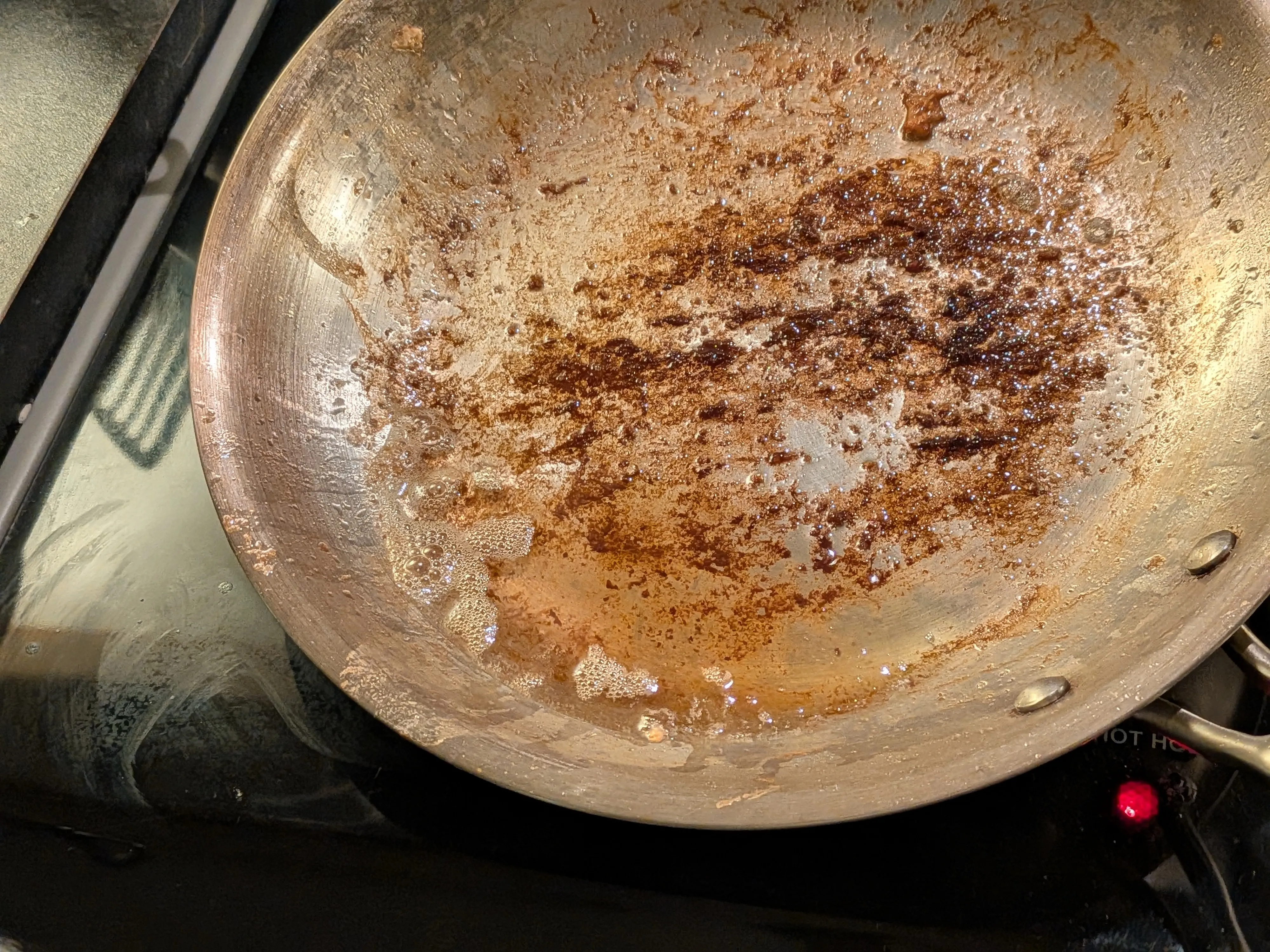
My mother kept a large jar under the sink to store rendered fat or used oil from bacon, burgers, fried chicken and the like; its distinct layers represented the geologic eras of family dinners from previous months. Once full, we would presumably discard it in the trash.
This was before we recycled everything, and before we knew food waste was one of the largest contributors to greenhouse gas emissions. Surely large jars of cooking grease set out on the curb with other refuse isn’t exactly a winning move on either the recycling or food-waste front.
While we have vastly improved how we dispose of many things, excess cooking grease still presents a regular quandary. It’s not exactly cooperative to slither inside biodegradable food-waste bags, if you’re fortunate enough to live somewhere that collects food waste. You also can’t toss it into your countertop composter without disrupting its yuck-free operation.
So, is it ever OK to pour excess grease or used cooking oil down the sink ? Even if you run the hot water tap at the same time? Short answer: no. Long answer? ” “When grease cools, it solidifies, coating the interior of the pipe,” says Jacylyn Basilone, chief operating officer of Brooks Plumbing . Even if you’re running hot water, the grease will eventually cool further down the line and cause future problems. “Over time, the solidified grease in the pipes can catch debris, thus making a partial clog grow larger and larger,” she says, reducing the pipe’s circumference little by little if you do this repeatedly.
Source link