

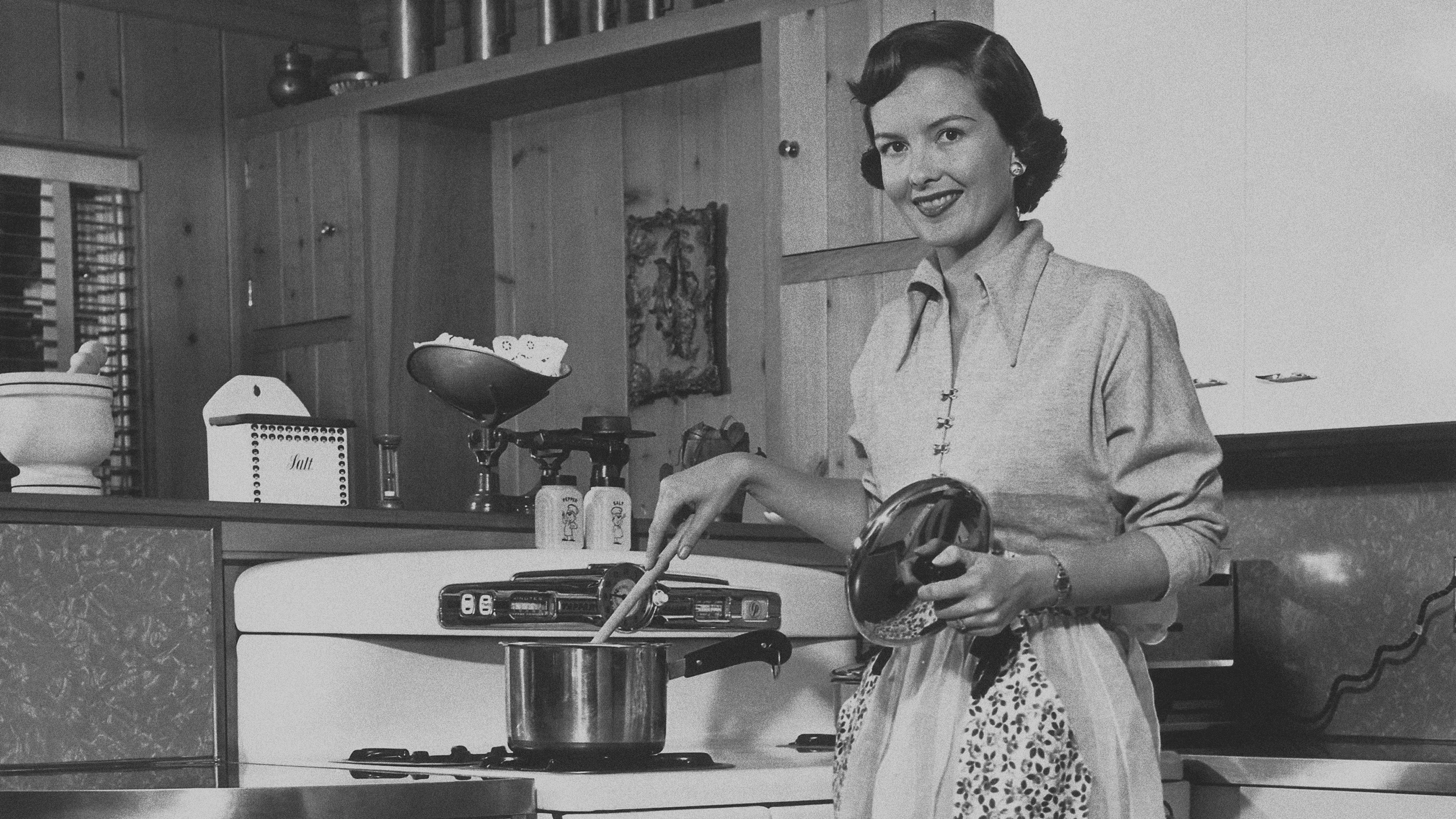
The tradwife has entered the conversation. Instagram showcases her baking bread, doing laundry, and extolling the virtues of domestic bliss—a counterpoint to the girlboss who is always working, and always tired.
Is this tradwife-versus-girlboss conflict simply the latest version of the mommy wars of the 1980s and 1990s, when women’s personal choices about paid work and caregiving became public judgements about what women ought to want? Or is it something more? This is what we sought to find out in our research.
Today’s version similarly divides women into those who “opt out” and those who “lean in.” The public conversation around tradwives often treats the issue as a debate over lifestyle: whether staying home, cooking from scratch, and embracing traditional domesticity represents oppression or empowerment. We found that the framing misses a bigger concern: Women are searching for control over their lives.
Women today have grown up in a world where dual-income families are the norm. At the same time, expectations at home have remained largely unchanged, and in many cases, intensified as women now juggle paid work while still disproportionately carrying the burden of household labor.
That may help explain why the tradwife image has gained traction at the same time that inflexible workplace structures are exacerbating burnout and driving women out of the workforce. In fact, one of the primary drivers of women leaving the workforce before reaching leadership positions is the inability to balance caregiving and work, largely due to inflexible workplace structures.
The tradwife aesthetic may be less about nostalgia for the past than disillusionment with the terms on which modern work has been structured.
Source link