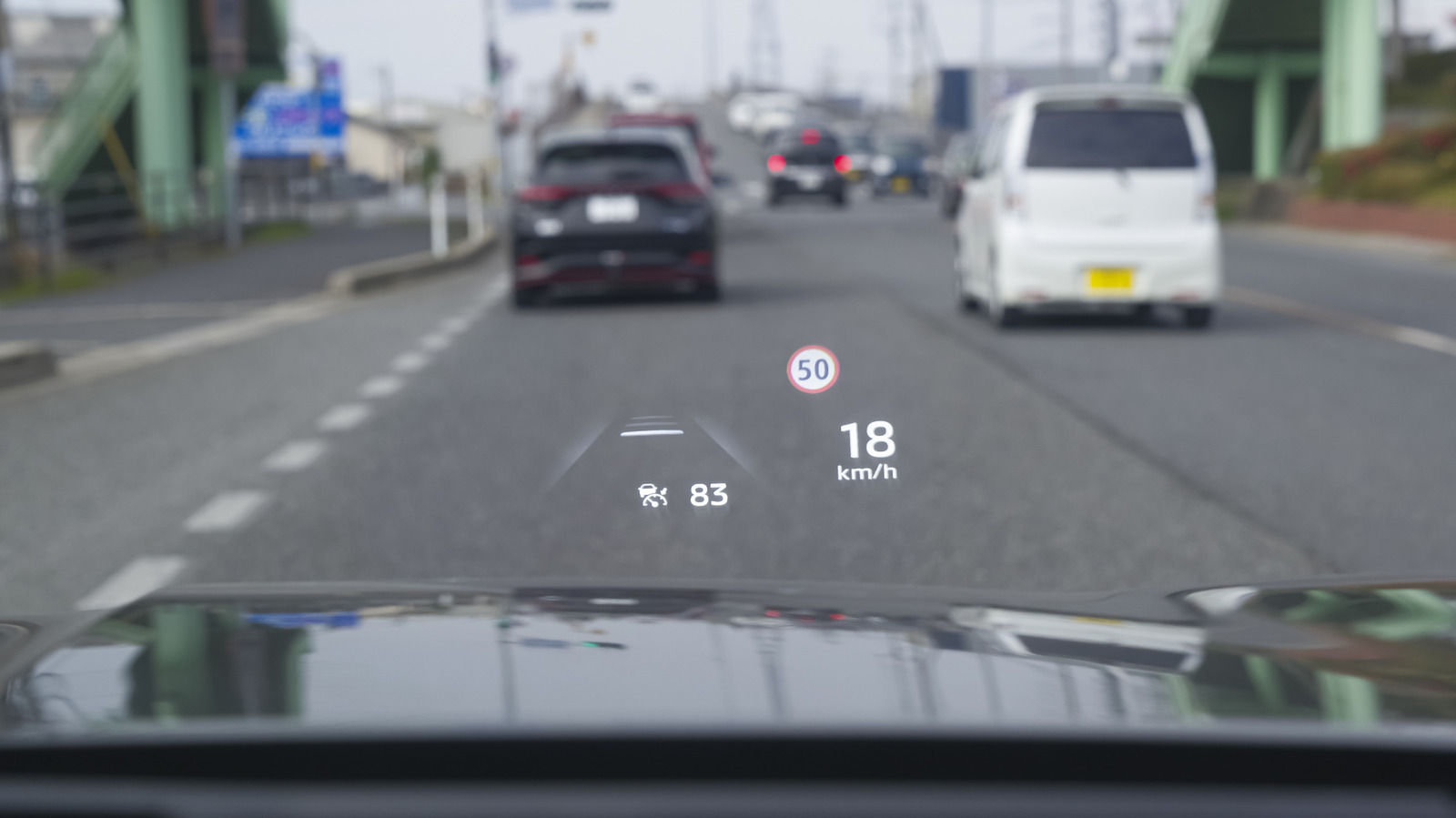
Somewhere in the world right now, a car that nobody's feet are actively in control of has noticed the truck ahead of it is slowing, and eased off by itself. That's adaptive cruise control. For most of the last three decades, it's a technology that has fundamentally come down to a hidden radar in the car's nose, joined over the last decade or so by a camera behind the rearview mirror.
How it works in a Honda is a pretty typical example: A millimeter-wave radar and a camera measure the gap to the vehicle in front, and how quickly that gap is closing. Meanwhile, the car works the pedals to hold whichever of four following distances you've configured the car to maintain.
But since its introduction in the late '90s, adaptive cruise control has come a long way in terms of the software wrapped around it. Ford's BlueCruise, for example, can slow your car ahead of a bend using map data, while Hyundai's Smart Cruise Control studies how you drive so it can copy you.
This comes down to two sensors. Radar is one, sitting low in the front-end of a car, usually behind the emblem or the grille. It works by bouncing a radio signal off the car ahead and timing the echo, which gives it both a distance and closing speed measurement in the dark or fog. Because of this, a lot of owners can self-sabotage their adaptive cruise control by doing things like adding number-plate frames or stickers, or bumping into objects while parking.
Source link