
I’m officially at an age where I’m tempted to spray WD-40 directly onto my joints. No amount of yoga or gentle stretching seems to stop my hips from creaking every time I stand up.
But while I rely on this wonder formula to silence creaky door hinges and loosen stubborn, rusty screws, I started wondering what else is hiding in this iconic blue-and-yellow can.
As it turns out, its superpowers go far beyond basic home repairs, including one unexpected chore. Next time you need to clean your windows, go grab a can of WD-40.
WD-40 has been around since the 1950s. While my creaky joints don’t quite go back that far, I clearly remember it being a staple in my dad’s garage. The second anything needed lubricating, out came that familiar can of spray.
Originally invented as a rust-prevention solvent for the aerospace industry, its usefulness has since expanded into the domestic market, making it a well-known household staple. Instead of sitting on your tool shelf, you’re now just as likely to find it lurking in a cleaning cupboard.
WD-40 is an amazing household cleaning product to keep in your kitchen. When lightly sprayed on a stainless steel surface, like a refrigerator or dishwasher and wiped away with a microfiber cloth, it will remove unsightly fingerprints, smudges and water spots. For this reason, it’s also handy to have in the bathroom to remove water marks off shower screens.
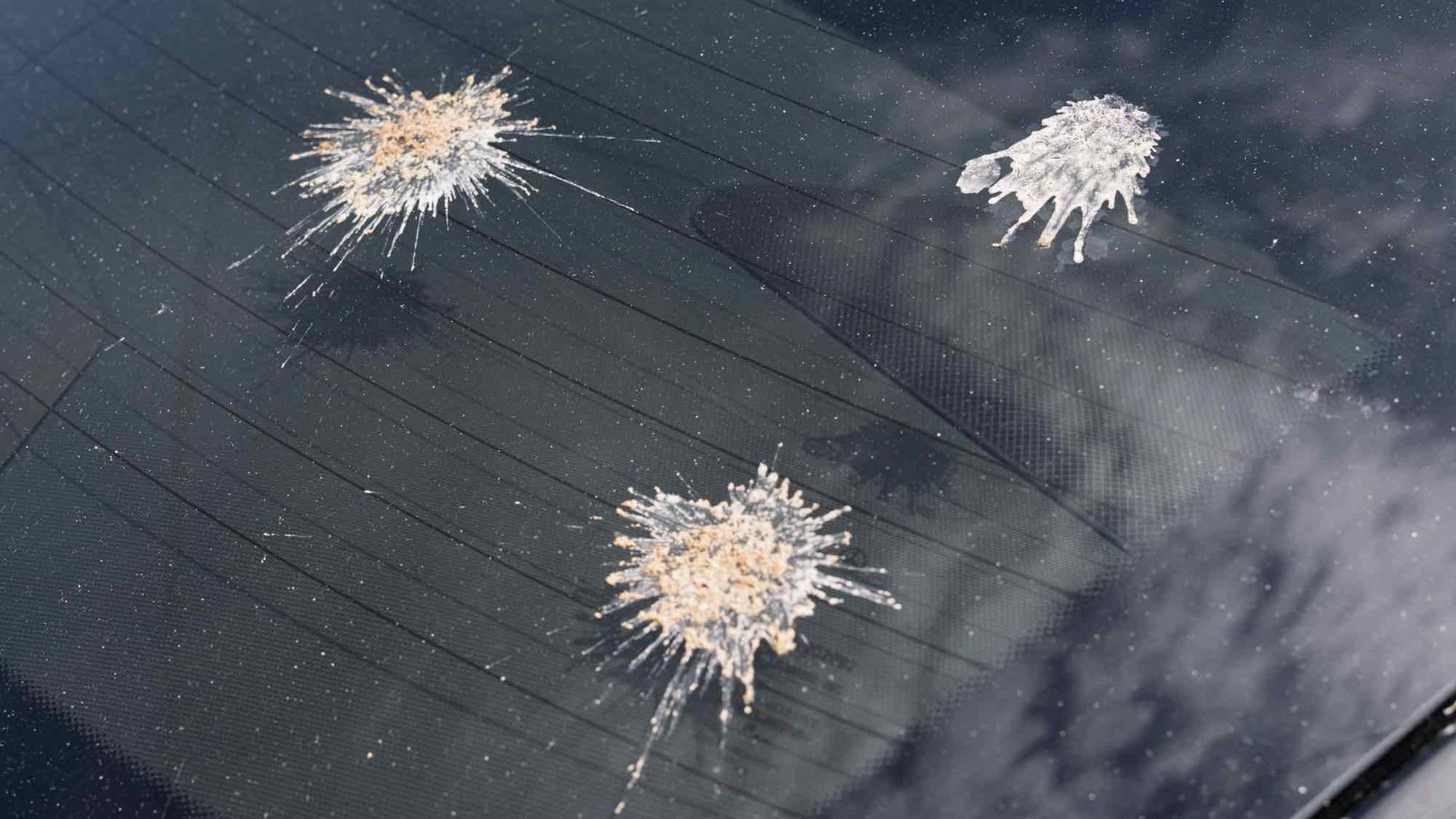
It’s also pretty useful when you’re cleaning your windows , especially when they are covered in bird droppings.
Source link





