

It’s no exaggeration to say that cloud storage has changed the way we work—and, to some extent, even the way we live.
Gone are the days of having your mountains of saved emails exist only on a single local system, without easy instant access from any device in front of you—and dealing with the all-too-common reality of losing your entire email archives when something goes awry.
Gone are the days of painstakingly copying all your photos from an old phone to a new one or panicking over the idea of having lost all of those memories when a phone falls into the toilet and fails.
And gone are the days of digging through a drawer of unlabeled, identical flash drives just to find a single silly presentation from six months ago.
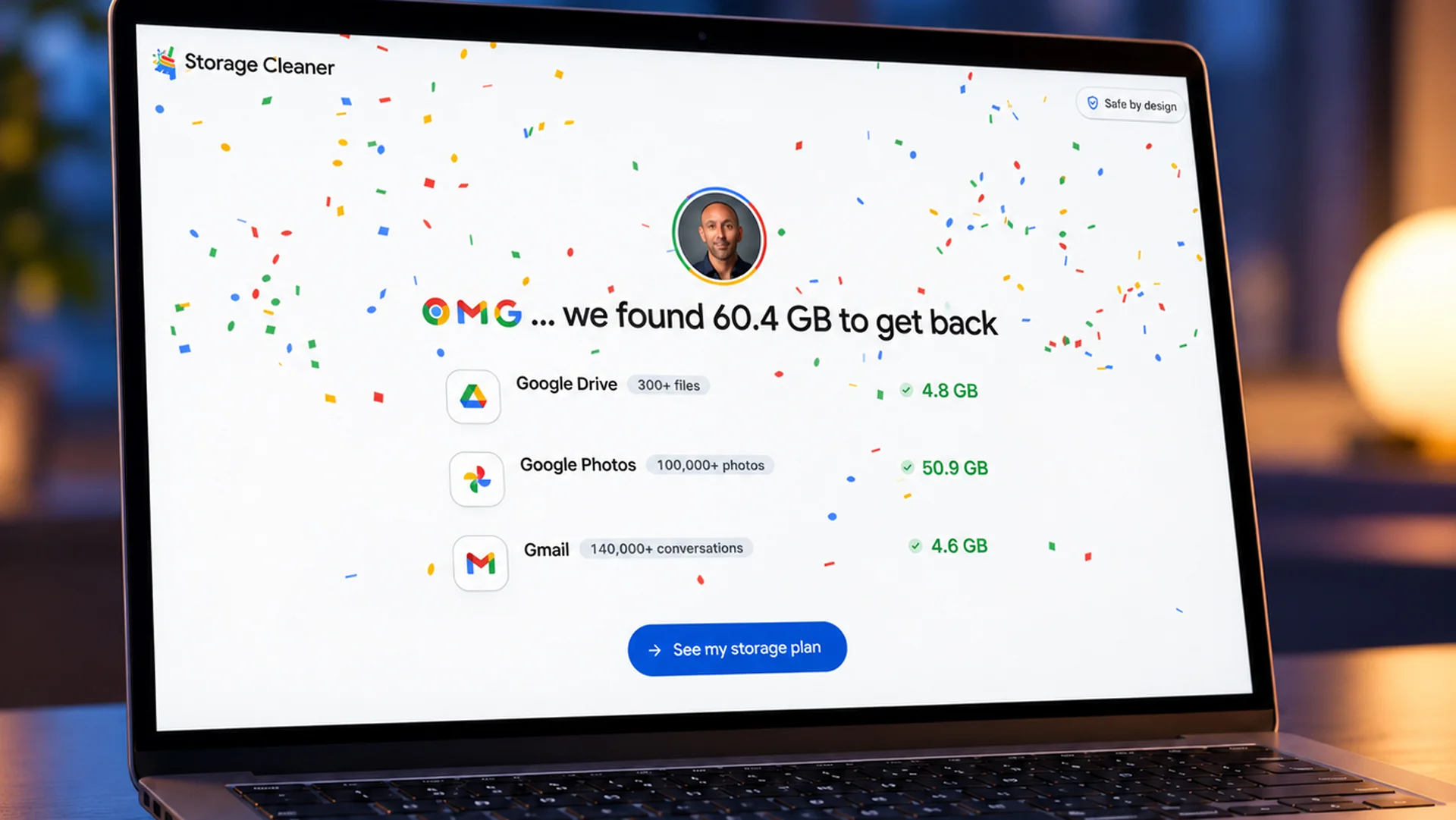
With all the convenience of always-available access, though, comes a problem that more and more of us are now encountering in our cloud storage journeys: Sooner or later, inevitably, keeping all your info in the cloud comes at a cost.
That’s especially true with the increasingly large and high-resolution photos and videos we’re all capturing on our modern-day smartphones, but it’s also an issue that adds up over time with years upon years of email attachments in an archive-encouraging service such as Gmail, duplicate downloads in a place like Google Drive, and forgotten old documents and PDFs connected to Google Docs or any other such service.
With all the convenience of always-available access, though, comes a problem that more and more of us are now encountering at this point in our cloud storage journeys.
Source link





