
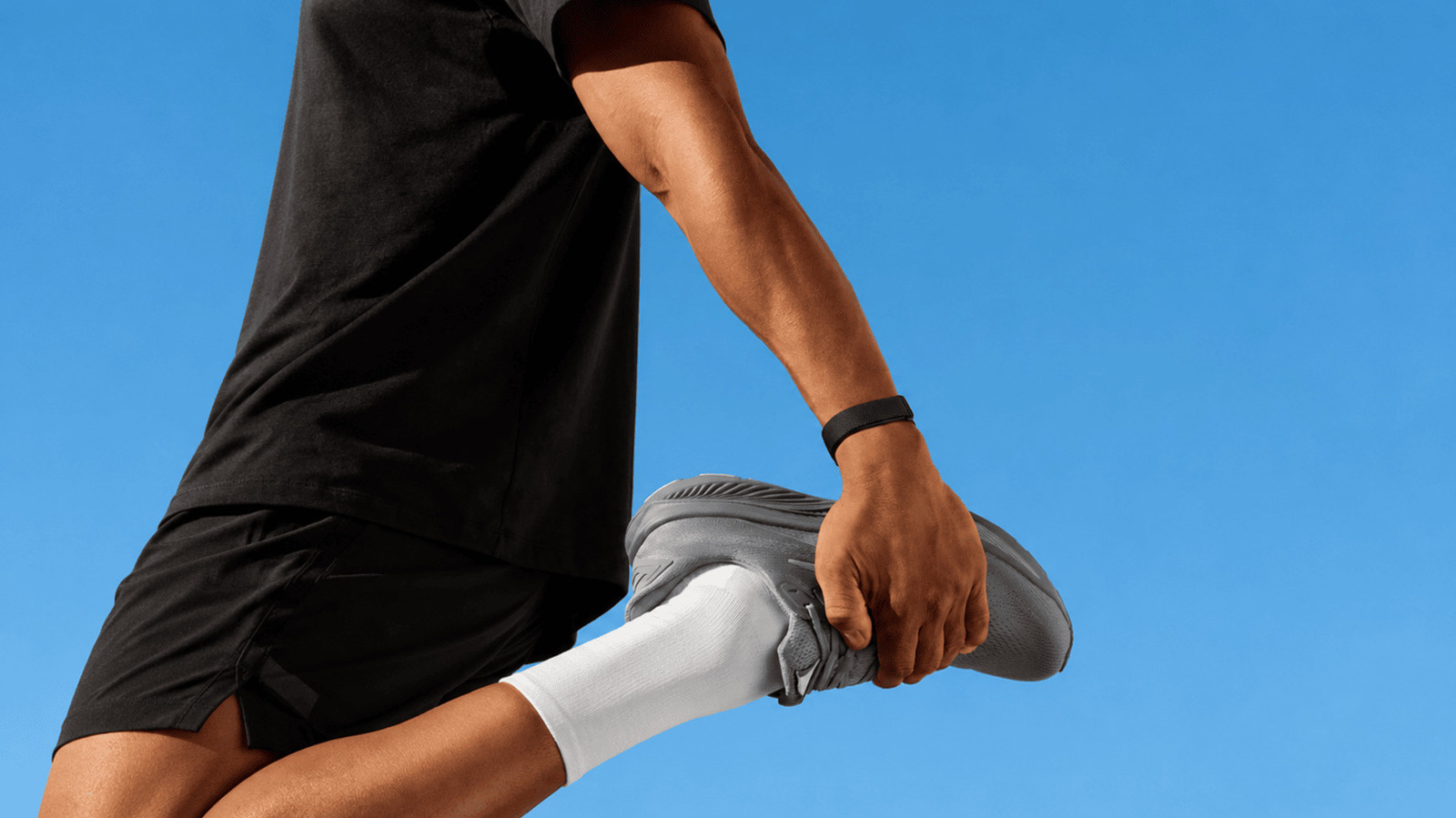
An ankle-worn Fitbit can catch steps your wrist misses, though some health metrics may suffer.
It's frustrating when you've finished your daily walk, but Fitbit didn't catch all the steps because it couldn't recognize them. Or when you've pushed a stroller, held the treadmill rails or worked at a walking desk, and discovered that limited arm movement makes your brisk walk look unimpressive in the app. Out of all the Fitbit hacks, tricks and tips out there, this basic problem has persisted for many users.
Some have found a way around this by wearing their Fitbit on their ankle. It may seem like a strange fix, but having the motion sensor closer to your feet can help. Fitbit devices measure more than just steps, but they depend on arm movement to gather data. While Google often assumes you're wearing the Fitbit on your wrist, activities with limited arm movement mean your health data may not be accurate.
Fitbit trackers use accelerometers to recognize movement patterns associated with walking, but a wrist-worn sensor can miss steps when your arms remain still. Google acknowledges that pushing a stroller or shopping cart can lead to missed steps. Walking pads create similar issues when you're typing at your desk rather than allowing your arms to swing. In these cases, an ankle-worn Fitbit measures leg movement directly. It also keeps your wrist free if you dislike wearing watches or if your workplace bans wrist-wear.
There's some evidence behind the idea. In a 2025 study, 11 healthy adults walked with a single-point cane or two-wheeled walker while wearing Fitbit Inspire 3 trackers on their wrists, hips and ankles.
Source link





